In today’s rapidly evolving educational landscape, the quest for effective learning experiences has never been more important.
As educators and students navigate the complexities of modern classrooms, the integration of support tools becomes a beacon of hope.
These tools are not merely technological novelties; they represent a shift towards creating more engaging, personalized, and efficient learning environments.
A gentle embrace of technology
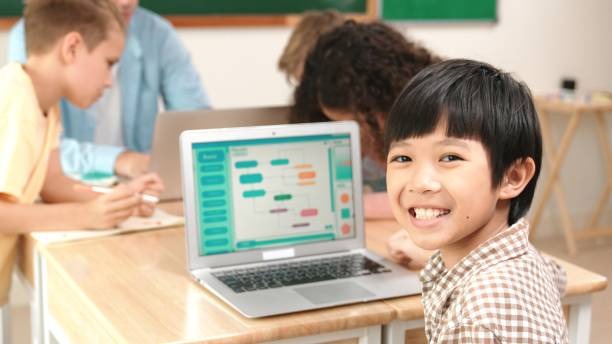
At the heart of enhancing classroom experiences lies the thoughtful integration of technology. Gone are the days when technology was a mere add-on to the curriculum. Today, it serves as an integral part of the learning journey. Tools such as interactive whiteboards, educational apps, and learning management systems create opportunities for collaboration and creativity.
Interactive whiteboards, for instance, allow teachers to present information in dynamic ways that capture students’ attention. They facilitate group activities where students can engage directly with the content, making learning a more interactive experience. This shift from passive to active learning encourages students to take ownership of their education, fostering a deeper understanding of the material.
Building connections with learning management systems
Learning management systems (LMS) have revolutionized the way educators deliver content and assess student progress. These platforms offer a centralized location for resources, assignments, and feedback, creating a seamless flow of communication between teachers and students. By using an LMS, educators can provide personalized learning paths that cater to individual student needs, allowing for differentiation in a way that traditional methods often struggle to achieve.
Moreover, these systems encourage a sense of community among students. Discussion forums and collaborative projects enable learners to connect with one another, share ideas, and support each other in their educational journeys. This sense of belonging can significantly enhance motivation and engagement, making the classroom a nurturing space for growth.
A small shift toward balance
While technology plays a crucial role, it’s essential to strike a balance between digital tools and traditional methods. Incorporating hands-on activities, outdoor learning, and real-world experiences can enrich the educational process. These approaches stimulate curiosity and promote a holistic understanding of subjects.
For instance, a science lesson could include not just textbook learning but also a nature walk where students observe ecosystems firsthand. Such experiences deepen comprehension and help students relate classroom knowledge to the world around them. This blend of methodologies ensures that learning remains dynamic and multifaceted.
Nurturing well-being through support tools
In addition to academic support, it’s vital to consider the emotional and psychological well-being of students. Tools that promote mindfulness and emotional intelligence can create a more supportive classroom environment. Apps that encourage reflection and self-awareness can help students manage stress and anxiety, fostering resilience.
Mindfulness practices, integrated into the daily routine, can enhance focus and clarity. Simple breathing exercises or short moments of silence can ground students, creating a calm atmosphere conducive to learning. When students feel mentally and emotionally balanced, they are better equipped to absorb information and engage with their peers.
Encouraging collaboration and creativity
Collaboration is at the heart of effective learning. Tools that facilitate group projects and creative endeavors can transform the classroom into a hub of innovation. Platforms that enable students to work together on presentations, research, or problem-solving tasks encourage teamwork and communication skills.
Creativity flourishes when students are given the freedom to express their ideas. Digital storytelling tools, design software, and art applications allow students to explore their creativity in ways that resonate with their interests. When students see their passions reflected in their work, they are more likely to invest time and energy into their education.
The role of feedback in growth
Constructive feedback is a cornerstone of effective learning. Support tools that streamline the feedback process can enhance the learning experience significantly. Digital platforms that allow for quick, personalized feedback foster a culture of growth and improvement.
When students receive timely feedback, they can make adjustments and deepen their understanding. This ongoing dialogue between educators and students creates an environment where learning is seen as a journey rather than a destination. It encourages students to embrace challenges and view mistakes as opportunities for growth.
Fostering a sense of belonging
In a world where connection is increasingly virtual, creating a sense of belonging in the classroom is paramount. Support tools that promote inclusivity can help ensure that every student feels valued and heard. Features that allow for diverse learning styles and perspectives can enhance the richness of classroom discussions.
Creating a culture of respect and empathy is essential. Tools that facilitate peer feedback and encourage students to celebrate each other’s strengths can foster a supportive community. When students feel connected to their peers and teachers, they are more likely to engage deeply with the learning material.
Looking ahead with hope
As we move forward, the importance of classroom support tools cannot be overstated. They offer pathways to more engaging, supportive, and effective learning experiences. While technology plays a significant role, it is the thoughtful integration of these tools with a focus on emotional well-being, collaboration, and creativity that will truly transform education.
The journey of learning is a shared experience, and by embracing these support tools, educators and students can navigate it together with grace. The classroom can become a sanctuary of exploration, where curiosity is nurtured, and every individual’s potential is celebrated. In this evolving landscape, the future of education is bright, filled with promise and endless possibilities.