In the journey of education, students often find themselves navigating a landscape filled with various learning styles.
Each student possesses a unique way of absorbing information, and recognizing these differences can be a transformative experience.
Encouraging students to explore various learning styles not only enhances their academic performance but also fosters a deeper connection to the learning process itself.
Understanding the concept of learning styles is a gentle yet profound shift in how we approach education. Traditionally, many educational systems have favored a one-size-fits-all methodology, often overlooking the diverse ways students can engage with material. However, as we delve deeper into the realm of learning, it becomes clear that embracing a range of styles can create a more inclusive and effective educational environment.
Every student is a tapestry woven from different threads of experience, culture, and cognition. Some may thrive in a visual setting, where diagrams and charts illuminate their understanding. Others might flourish in auditory environments, where discussions and lectures resonate deeply. Then there are those who learn best through kinesthetic experiences, gaining insights through hands-on activities and movement. Recognizing and nurturing these varied preferences can make a significant difference in how students connect with their studies.
A small shift toward balance can begin with simple observations. Educators and parents alike can take note of how students engage with different types of content. Perhaps a student lights up during a science experiment but struggles with traditional textbook readings. This is a moment to pause and consider how the learning environment can be adapted to better suit their needs. By introducing diverse teaching methods, we can invite students to explore and discover what resonates with them.
Encouragement plays a vital role in this exploration. When students feel supported in their learning journey, they are more likely to take risks and try new approaches. This can be as simple as providing them with a variety of resources—books, videos, interactive activities, or discussions—allowing them to choose how they want to engage with the material. When students have the freedom to explore different avenues, they often find innovative ways to connect with the subject matter.
Incorporating various learning styles can also foster a sense of community in the classroom. When students share their preferred learning methods with one another, they open the door to collaboration and peer support. A visual learner might team up with an auditory learner to create a presentation that incorporates both elements, enriching the learning experience for everyone involved. This collaborative spirit not only enhances understanding but also builds valuable social skills that will serve students well beyond the classroom.
As we encourage exploration, it’s essential to create a safe space for students to express their preferences and challenges. This involves cultivating an atmosphere of acceptance where every learning style is valued. Open discussions about learning preferences can help students feel more comfortable sharing their experiences. When students know their voices matter, they are more likely to become active participants in their education.
The journey of exploring learning styles is not just beneficial for students; it also provides educators with invaluable insights. By understanding how different students learn, teachers can tailor their approaches to engage each individual effectively. This doesn’t mean creating entirely separate lesson plans for every student, but rather integrating various methods within a single lesson. For example, a history lesson could combine storytelling, visual aids, and group discussions, appealing to a broad spectrum of learning preferences.
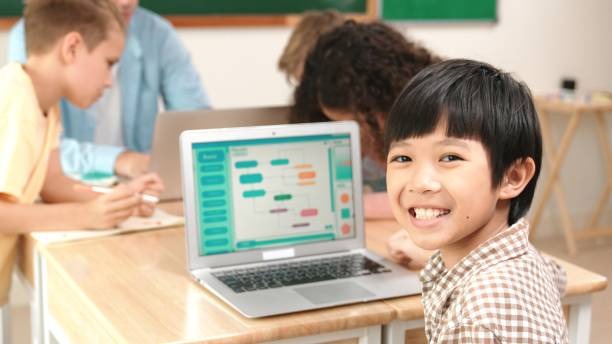
Incorporating technology can also enhance this exploration. With a plethora of online resources and interactive tools available, students can experiment with different learning styles at their own pace. Virtual simulations, educational games, and multimedia presentations can cater to diverse preferences, making learning a more dynamic experience. Encouraging students to seek out and utilize these resources empowers them to take ownership of their learning journey.
As students become more aware of their learning preferences, they can start to develop strategies that work best for them. This self-awareness is a crucial step in fostering lifelong learning habits. Encouraging students to reflect on their experiences and adapt their approaches can lead to greater resilience and adaptability in various situations. Life is filled with opportunities for learning, and those who are attuned to their styles are often better equipped to navigate challenges.
Ultimately, the goal of exploring various learning styles is to cultivate a love for learning that transcends the classroom. When students feel empowered to engage with material in ways that resonate with them, they are more likely to develop a genuine curiosity about the world around them. This intrinsic motivation can lead to a lifelong passion for knowledge, creativity, and personal growth.
As we move forward in our educational journeys, let us continue to encourage students to explore the myriad ways they can learn. By recognizing and celebrating their unique styles, we can create a more enriching and fulfilling experience for everyone involved. It’s a gentle reminder that education is not just about acquiring knowledge; it’s about discovering the joy of learning itself. Embracing this journey together can lead to countless possibilities, unlocking the potential within every student.