In today’s diverse classrooms, the one-size-fits-all approach to education feels increasingly outdated.
Each student carries with them a unique blend of learning styles, preferences, and strengths.
As educators, parents, and communities, it’s essential to cultivate an environment that recognizes and nurtures these differences. Flexible classroom strategies are not just a trend; they are a pathway to fostering a more inclusive and effective learning experience for every child.
A gentle shift toward understanding
Understanding that every child learns differently is the first step toward creating a flexible classroom environment. Some students thrive on visual aids, while others grasp concepts better through auditory instruction or hands-on activities. This understanding invites educators to reconsider traditional teaching methods and embrace a variety of strategies that cater to different learning styles.
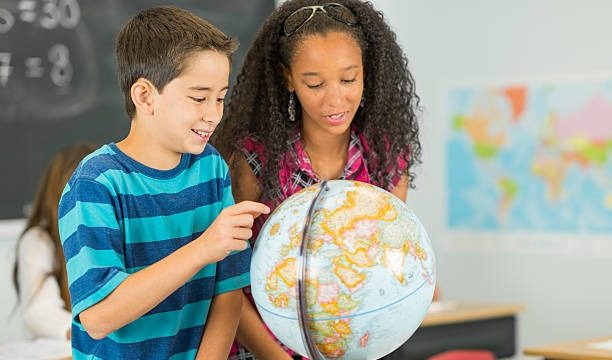
One effective approach is to incorporate varied instructional techniques throughout the curriculum. For instance, a lesson on ecosystems could include a nature documentary to engage visual learners, a group discussion for those who benefit from verbal exchange, and a hands-on project where students create their own dioramas for kinesthetic learners. By blending different modalities, teachers can create a rich tapestry of learning experiences that resonate with all students.
Creating a welcoming atmosphere
A flexible classroom should also be a welcoming space that encourages students to express their individual learning preferences. This means designing the physical space to accommodate various activities. Some students may prefer quiet corners for reading, while others might thrive in collaborative groups. By providing different zones within the classroom, educators can foster an environment where students feel comfortable exploring their unique ways of learning.
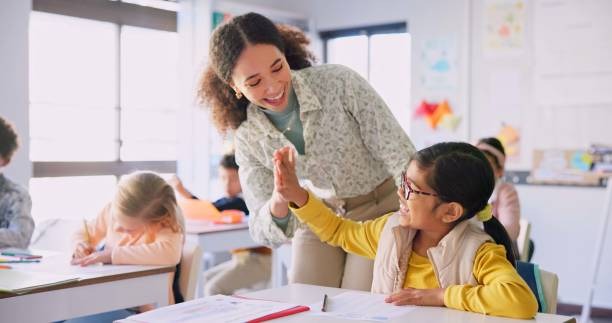
In addition to the physical layout, the emotional atmosphere of the classroom plays a crucial role. Building strong relationships with students and creating a culture of respect and inclusivity can significantly enhance their learning experience. When students feel valued and understood, they are more likely to engage with the material and take ownership of their learning journey.
A small shift toward balance
Flexibility in the classroom also extends to assessment methods. Traditional testing can often overlook the diverse ways students demonstrate their understanding. Offering alternatives, such as presentations, creative projects, or reflective essays, allows students to showcase their knowledge in ways that align with their strengths. This shift not only promotes a sense of fairness but also encourages students to engage deeply with the material.
Moreover, providing opportunities for self-assessment can empower students to take charge of their own learning. Encouraging them to reflect on what strategies work best for them fosters a sense of agency and ownership over their educational path. These small adjustments can lead to significant improvements in motivation and performance.
Incorporating technology thoughtfully
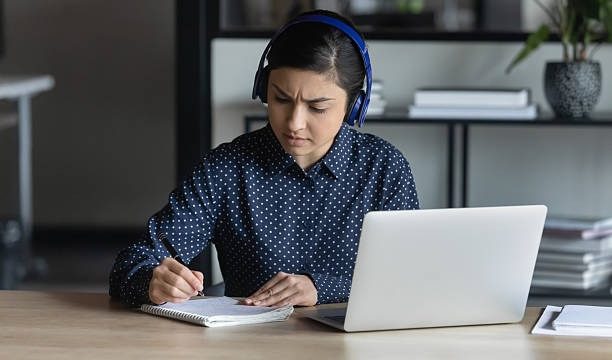
In our increasingly digital world, technology can be a powerful ally in accommodating different learning styles. Interactive apps and online resources offer a wealth of opportunities for personalized learning. For instance, students can engage with educational games that cater to their interests, or utilize platforms that allow them to learn at their own pace. By thoughtfully integrating technology into the classroom, educators can enhance learning experiences and provide additional avenues for exploration.
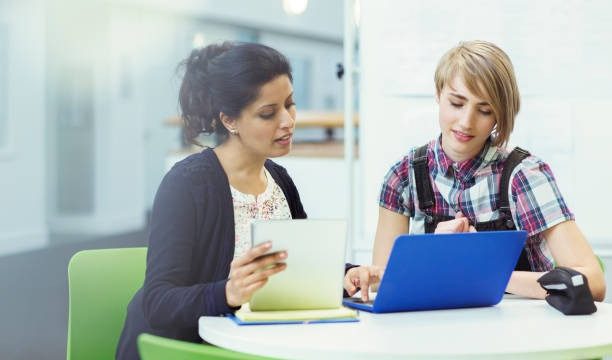
However, it’s essential to strike a balance. While technology can offer valuable resources, it should not replace meaningful interactions with peers and educators. Encouraging students to collaborate on digital projects can foster teamwork and communication skills, while still allowing for individual expression.
Encouraging collaboration and peer learning
Collaboration among students is another key component of a flexible classroom. Group work not only allows students to learn from one another but also helps them develop essential social skills. By forming diverse groups, educators can create opportunities for students with different strengths to support each other. For example, a student who excels in writing can help a classmate who is more adept at visual design when working on a project. This not only enhances learning but also builds a sense of community within the classroom.
Encouraging peer teaching can also be an enriching experience. When students take on the role of teacher, they reinforce their own understanding of the material while gaining confidence in their abilities. This reciprocal learning process can create a dynamic classroom environment where every student feels valued and empowered.
Nurturing a growth mindset
Finally, cultivating a growth mindset in the classroom is essential for fostering resilience and a love of learning. Encouraging students to embrace challenges and view mistakes as opportunities for growth can significantly impact their educational journey. When students understand that their abilities can be developed through effort and perseverance, they become more open to exploring new ways of learning.
Incorporating discussions about mindset into daily routines can help reinforce this philosophy. Sharing stories of famous figures who overcame obstacles or discussing personal experiences can inspire students to adopt a more positive outlook on their learning challenges.
Creating a flexible classroom that caters to diverse learning styles is a journey rather than a destination. It requires ongoing reflection, adaptation, and a willingness to embrace change. By prioritizing the unique needs of each student, educators can create an environment where every child can thrive. As we continue to evolve in our teaching practices, let us celebrate the beauty of diversity in learning and commit to fostering a space where all students feel seen, heard, and empowered to reach their full potential.