In a world that is constantly changing, the way we approach learning must also evolve.
Accessibility in education is not just a noble goal; it’s a fundamental necessity.
Every individual deserves the opportunity to learn and grow, regardless of their background, abilities, or circumstances. By implementing thoughtful strategies, we can create an environment where learning is not only possible but also enjoyable for everyone.
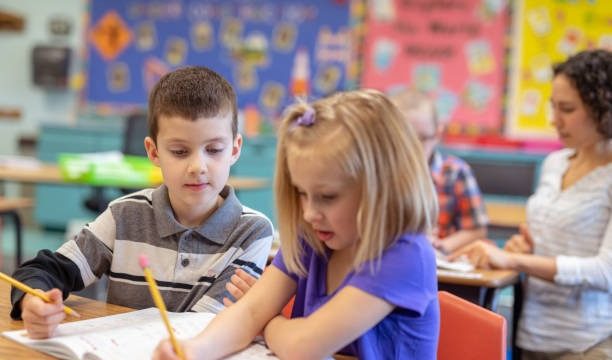
Creating an inclusive atmosphere begins with understanding that everyone learns differently. This realization can be a small yet powerful shift in perspective. By fostering a culture that celebrates diverse learning styles, we can make education more accessible. For instance, recognizing that some individuals may thrive in a hands-on learning environment while others excel through visual aids or auditory instruction is crucial. Incorporating a variety of teaching methods can help cater to these different preferences, ensuring that no one is left behind.
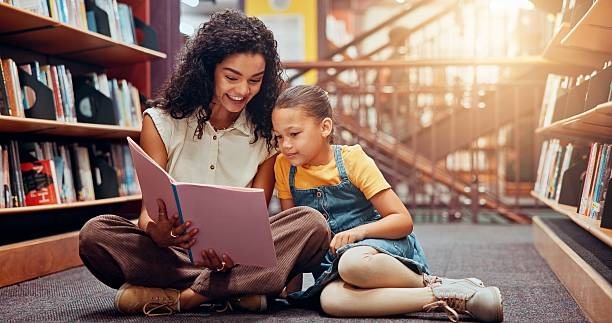
Another important aspect of accessibility is the physical environment in which learning takes place. Whether it’s a classroom, a library, or an online platform, the space should be welcoming and adaptable. For those with mobility challenges, ensuring that pathways are clear and facilities are equipped with ramps and accessible seating can make a significant difference. In virtual settings, websites and learning management systems should be designed with accessibility in mind, allowing for easy navigation and compatibility with assistive technologies.
Language plays a vital role in making learning accessible. In our increasingly multicultural world, offering materials in multiple languages can bridge gaps and enhance understanding. Additionally, simplifying language and avoiding jargon can help demystify complex concepts for learners of all ages. By encouraging open communication and ensuring that resources are available in various formats, we can support learners who may struggle with traditional academic language.
A small shift toward balance can also be achieved by integrating technology into the learning experience. Technology can serve as a powerful tool for accessibility. For instance, screen readers and speech-to-text software can assist learners with visual impairments or learning disabilities. Online resources and applications can provide personalized learning experiences, allowing individuals to progress at their own pace. Embracing these tools not only enhances accessibility but also prepares learners for a digital world.
Flexibility is another essential component in making learning more accessible. Traditional education often follows a rigid schedule that may not accommodate everyone’s needs. By offering flexible learning options, such as asynchronous classes or hybrid models, we can provide learners with the freedom to choose when and how they engage with their studies. This approach respects individual circumstances, whether they involve work commitments, family responsibilities, or health challenges.
Building a supportive community is equally important in creating an accessible learning environment. Encouragement from peers, mentors, and educators can inspire learners to overcome obstacles. Establishing mentorship programs or peer support groups can foster connections and provide a sense of belonging. When individuals feel supported, they are more likely to take risks and pursue their educational goals.
Emphasizing emotional well-being is also key to accessibility in learning. Education should not be solely about academic achievement; it should also nurture the whole person. Incorporating mindfulness practices, stress management techniques, and mental health resources can help learners navigate challenges more effectively. When individuals feel emotionally secure, they are better equipped to absorb information and engage with their learning.
Engaging families in the learning process can further enhance accessibility. When families are informed and involved, they can provide the necessary support that learners need to thrive. Schools and educational institutions can host workshops or informational sessions to equip families with the knowledge and tools to help their children succeed. This partnership fosters a sense of community and reinforces the idea that education is a shared journey.
Finally, continuous evaluation and adaptation are crucial for making learning accessible. Gathering feedback from learners about their experiences can provide valuable insights into what works and what doesn’t. This process of reflection allows educators and institutions to refine their approaches and ensure that everyone’s needs are being met. By remaining open to change, we can create a dynamic learning environment that evolves alongside its learners.
Ultimately, making learning more accessible is about fostering an inclusive culture where everyone feels valued and empowered. It requires a commitment to understanding diverse needs, embracing flexibility, and supporting emotional well-being. By implementing these strategies, we can create a world where learning is not just a privilege for a few, but a right for all. As we move forward, let us remember that every small step we take can lead to significant change, opening doors for countless individuals eager to learn and grow.