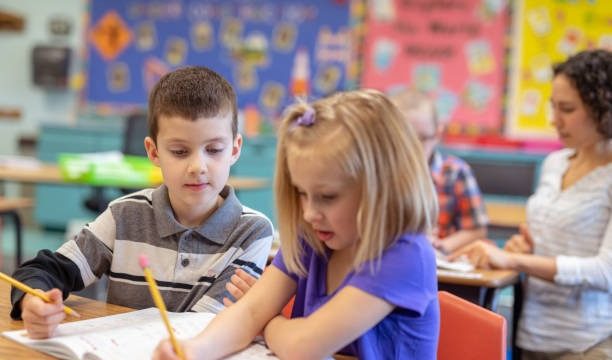
When we think about the classroom, we often picture desks in neat rows, chalkboards filled with lessons, and students focused on their studies.
Yet, beneath this structured environment lies a vibrant tapestry of interactions, emotions, and relationships that can significantly influence the learning experience.
Strengthening these classroom relationships is essential not just for academic success, but for nurturing a sense of community and belonging. Here, we explore gentle strategies for fostering meaningful connections in the classroom.
Creating a welcoming environment is the first step toward building strong relationships. When students feel safe and valued, they are more likely to engage openly with their peers and teachers. This can be achieved through simple gestures, such as greeting students at the door, using their names, and showing genuine interest in their lives. A warm smile can go a long way in making someone feel at home. Small adjustments in the classroom layout can also promote interaction; arranging desks in circles or clusters encourages discussion and collaboration.
Another vital aspect of strengthening relationships is promoting open communication. Establishing a culture where students feel comfortable expressing their thoughts and feelings is crucial. Regular check-ins, whether through informal conversations or structured activities, create opportunities for students to share their experiences and concerns. Encouraging students to voice their opinions not only empowers them but also helps teachers understand their needs better. It’s important to listen actively and validate their feelings, fostering trust and respect.
A sense of community can be cultivated through group activities that require collaboration. These activities not only promote teamwork but also allow students to learn from one another. Whether it’s a science project, a book club discussion, or a creative arts task, working together helps students develop empathy and appreciation for diverse perspectives. Celebrating group achievements, no matter how small, reinforces the idea that together, they can accomplish great things.
A small shift toward balance can be achieved by integrating social-emotional learning into the curriculum. This approach emphasizes the importance of emotional intelligence, self-awareness, and interpersonal skills. By incorporating lessons on empathy, conflict resolution, and effective communication, students can develop the tools they need to navigate their relationships both inside and outside the classroom. Role-playing scenarios can be particularly effective, allowing students to practice these skills in a safe and supportive environment.
Building relationships also involves recognizing and celebrating individual strengths and differences. Each student brings a unique set of talents, interests, and backgrounds to the classroom. Taking the time to acknowledge these differences fosters a culture of respect and appreciation. Consider creating opportunities for students to share their passions, whether through presentations, art displays, or informal sharing circles. This not only empowers students but also enriches the classroom experience for everyone.
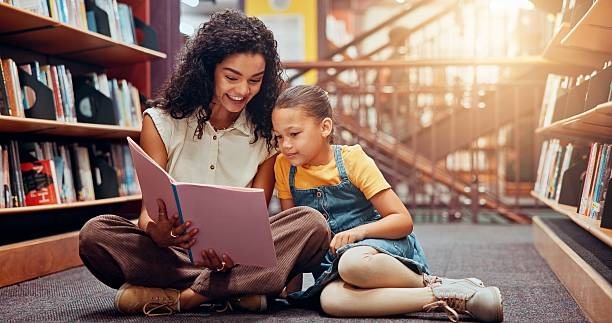
Encouraging peer mentorship can further enhance classroom relationships. Pairing students with different skill sets or experiences creates a supportive environment where they can learn from one another. This not only helps those who may be struggling but also boosts the confidence of the mentors. Such connections can lead to lasting friendships and a deeper understanding of the collaborative spirit.
Incorporating fun and creativity into the classroom can also strengthen relationships. Engaging activities that break the routine, such as themed days, creative projects, or even simple icebreaker games, can lighten the mood and foster camaraderie. Laughter and shared experiences create bonds that can last a lifetime. When students enjoy their time together, they are more likely to build connections that extend beyond the classroom walls.
The role of the teacher in nurturing these relationships cannot be overstated. Being approachable and relatable helps break down barriers. Sharing personal anecdotes, showing vulnerability, and being transparent about your own learning journey can inspire students to open up. When teachers model positive relationships and effective communication, they set the tone for the entire classroom environment.
It’s also important to be mindful of the challenges that students may face outside of the classroom. Understanding that personal circumstances can affect a student’s behavior and engagement helps create a more compassionate environment. Building relationships with students means recognizing their struggles and providing support when needed. This could be as simple as offering a listening ear or connecting them with additional resources.
Encouraging family involvement can also strengthen classroom relationships. When families engage in their children’s education, it creates a bridge between home and school. Hosting family nights, inviting parents to share their expertise, or simply keeping open lines of communication can foster a sense of partnership. When families and educators work together, students thrive.
As we reflect on the importance of relationships in the classroom, it becomes clear that these connections are the heartbeat of a positive learning environment. By creating a welcoming atmosphere, promoting open communication, and encouraging collaboration and creativity, we can nurture a community where every student feels valued and supported. Each small effort contributes to a larger goal: cultivating a classroom where relationships flourish, and learning becomes a joyful journey.
In the end, it’s the relationships we build that leave a lasting impact on our students. By investing time and energy into strengthening these connections, we not only enhance the educational experience but also help shape individuals who are empathetic, confident, and ready to contribute to the world around them. The classroom can be a place of inspiration, growth, and community, and it starts with the relationships we foster within its walls.