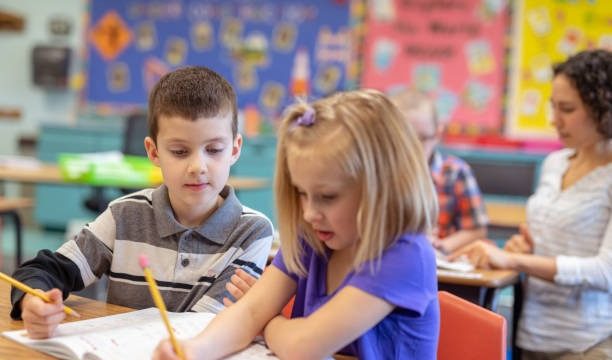
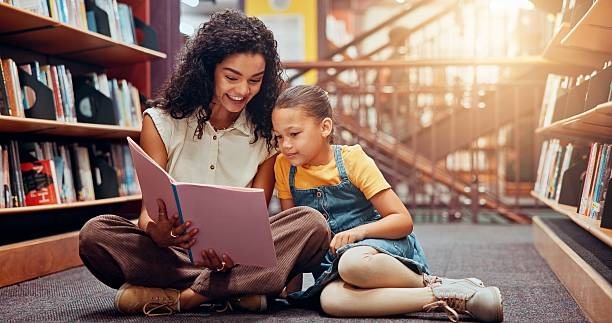
In today’s educational landscape, fostering collaboration among students has become more important than ever.
As classrooms evolve into vibrant communities of learning, the need for students to work together harmoniously is essential for personal development and academic success.
When students collaborate, they not only share knowledge but also build social skills, emotional intelligence, and a sense of belonging. So, how can educators and parents nurture this spirit of collaboration? Here are some gentle strategies to elevate student collaboration in meaningful ways.
A small shift toward balance begins with creating an environment that encourages teamwork. Classrooms should feel like safe spaces where students can express their ideas without fear of judgment. When students know they are valued members of a community, they are more likely to engage with their peers. This sense of belonging can be cultivated through simple practices such as circle time discussions or group projects that allow students to share their thoughts and experiences.
Encouraging open communication is another key aspect of fostering collaboration. When students feel comfortable expressing their opinions and listening to others, they develop essential skills that will serve them well beyond the classroom. Teachers can facilitate this by modeling effective communication techniques, such as active listening and respectful dialogue. Encouraging students to ask questions and share feedback can create an atmosphere of trust and understanding, where collaboration thrives.
Creating opportunities for collaborative learning experiences is also crucial. These can take various forms, from group assignments to project-based learning initiatives. By designing activities that require teamwork, educators can help students discover the joy of working together toward a common goal. This not only enhances their academic skills but also nurtures relationships, as students learn to rely on one another’s strengths and support one another’s weaknesses.
A gentle reminder of the importance of diversity in collaboration is also beneficial. When students from different backgrounds and perspectives come together, they bring unique insights that enrich the learning experience. Encouraging diverse groups can lead to more innovative solutions to problems and a deeper understanding of complex topics. Teachers can celebrate this diversity by incorporating multicultural resources and perspectives into their lessons, allowing students to appreciate and learn from one another’s differences.
Building a culture of respect is fundamental in any collaborative effort. When students respect each other’s ideas and contributions, they create a positive atmosphere for collaboration. Educators can emphasize the importance of kindness and empathy, helping students understand that everyone has something valuable to offer. This culture of respect not only enhances collaboration but also prepares students to engage positively in their future workplaces and communities.
Another important aspect is the integration of technology into collaborative learning. In our digital age, students are often more comfortable communicating through screens than in person. By incorporating collaborative tools like online discussion boards, shared documents, or educational apps, educators can bridge the gap between traditional and modern methods of collaboration. These tools can empower students to work together, regardless of their physical location, fostering a sense of teamwork that transcends the classroom walls.
Encouraging reflection is a subtle yet powerful strategy in elevating student collaboration. After completing group projects or collaborative activities, taking time to reflect on the experience can help students identify what worked well and what could be improved. This practice not only reinforces their learning but also cultivates a growth mindset. Students can learn to appreciate the value of collaboration and understand that every experience contributes to their development.
Promoting leadership skills within collaborative settings can also be transformative. Allowing students to take on different roles within groups helps them develop a sense of responsibility and ownership over their learning. Whether it’s leading discussions, organizing tasks, or mediating conflicts, these experiences empower students to step into leadership positions and learn the dynamics of teamwork. Encouraging students to rotate roles can ensure that everyone has the opportunity to contribute meaningfully.
Incorporating fun into collaborative activities is another delightful way to elevate student engagement. Learning doesn’t have to be serious all the time. By integrating games, challenges, or creative projects, educators can create an enjoyable atmosphere that naturally encourages collaboration. When students are having fun, they are more likely to engage with their peers and work together effectively.
Finally, recognizing and celebrating collaborative achievements can significantly enhance the spirit of teamwork. Acknowledging the effort and success of collaborative projects fosters a sense of pride and motivation among students. This can be as simple as sharing successes in class discussions or creating a collaborative showcase where students can present their work. Celebrating these moments not only reinforces the importance of collaboration but also strengthens the bonds among students.
In conclusion, elevating student collaboration requires a thoughtful approach that nurtures a sense of community, respect, and joy in learning. By creating a supportive environment, encouraging open communication, and providing diverse opportunities for collaboration, educators can help students thrive both academically and socially. As we embrace these gentle strategies, we pave the way for a generation of learners who appreciate the power of teamwork and carry these invaluable skills into their futures. Ultimately, fostering collaboration in education is not just about academics; it’s about nurturing well-rounded individuals who can contribute positively to the world around them.