Fostering rich interactions in the classroom is a journey that educators embark on, one that can transform the learning experience for both students and teachers.
The essence of effective teaching lies in creating an atmosphere where communication flows freely, ideas are exchanged openly, and every voice is valued.
Here, we explore gentle strategies that can enhance those precious interactions, making the classroom not just a place of learning, but a vibrant community.
A small shift toward connection
One of the most impactful ways to enrich classroom interactions is to prioritize connection among students. Establishing a warm and welcoming environment can be as simple as starting each day with a few minutes of sharing. This could be a personal anecdote, a thought-provoking question, or a discussion about current events. Encouraging students to share their thoughts fosters a sense of belonging and helps them feel more comfortable expressing themselves.
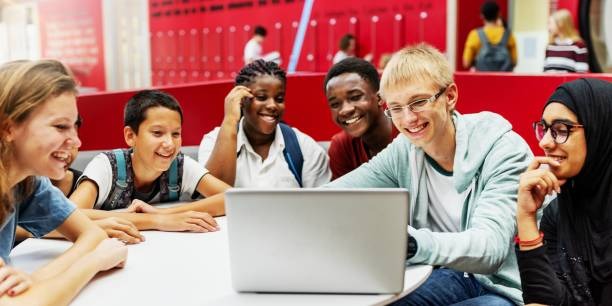
Creating small groups can also be beneficial. When students work in pairs or small teams, they often feel less intimidated and more willing to engage. This collaborative approach allows them to explore ideas more deeply and encourages them to listen actively to one another. The dynamics of small groups can spark creativity and lead to richer discussions, as students learn to appreciate diverse perspectives.
Nurturing a culture of respect
Respect is the foundation of meaningful interactions. By nurturing a culture of respect, educators can empower students to express their thoughts without fear of judgment. This can be cultivated by modeling respectful behavior, such as active listening and acknowledging others’ viewpoints. When students see their teachers practice what they preach, they are more likely to follow suit.
Incorporating activities that emphasize empathy can also play a crucial role. Role-playing exercises or discussions about real-life scenarios can help students understand different perspectives. This not only enriches classroom interactions but also prepares them for the complexities of the outside world. When students learn to appreciate the feelings and thoughts of others, the classroom becomes a more harmonious space for everyone.
Encouraging curiosity and inquiry
Curiosity is a powerful catalyst for interaction. When students feel encouraged to ask questions and explore topics in depth, they become active participants in their learning. Educators can foster this sense of inquiry by creating an environment where questions are welcomed and celebrated. A simple phrase like, “That’s an interesting question; let’s explore that together,” can ignite a spark of curiosity.
Incorporating project-based learning can further enhance this sense of inquiry. When students engage in projects that interest them, they are more likely to collaborate with their peers and share their findings. This collaborative spirit not only enriches their learning experience but also fosters a sense of community within the classroom.
The art of storytelling
Storytelling is a timeless tool that can significantly enhance classroom interactions. Sharing stories—whether personal, historical, or fictional—can captivate students’ attention and create a connection among them. When educators weave narratives into their lessons, they can convey complex ideas in a relatable way, making the content more memorable.
Moreover, encouraging students to share their own stories can lead to powerful interactions. This practice allows them to connect on a personal level, fostering empathy and understanding within the classroom. As students listen to each other’s stories, they learn that everyone has unique experiences and perspectives, enriching the collective classroom experience.
Creating a safe space for feedback
Feedback is an essential component of learning, but it should be approached with care. Creating a safe space for feedback encourages open dialogue and helps students feel valued. When feedback is framed positively and constructively, it can lead to fruitful discussions. Educators can model effective feedback techniques, demonstrating how to give and receive feedback gracefully.
Incorporating peer reviews can also enhance this process. When students provide feedback to one another, they learn to communicate their thoughts clearly while also developing critical thinking skills. This collaborative approach not only strengthens their understanding of the material but also fosters a supportive classroom environment.
Infusing creativity into interactions
Creativity can breathe new life into classroom interactions. By integrating arts, music, or hands-on activities, educators can create dynamic learning experiences that engage students on multiple levels. Creative projects encourage collaboration and allow students to express themselves in unique ways, leading to rich discussions and interactions.
For example, incorporating art into a lesson can inspire students to interpret concepts visually, allowing for a different form of expression. When students share their artistic interpretations, it opens up avenues for discussion and deeper understanding. This creative infusion not only enhances learning but also strengthens the bonds among students as they share their passions.
Embracing technology thoughtfully
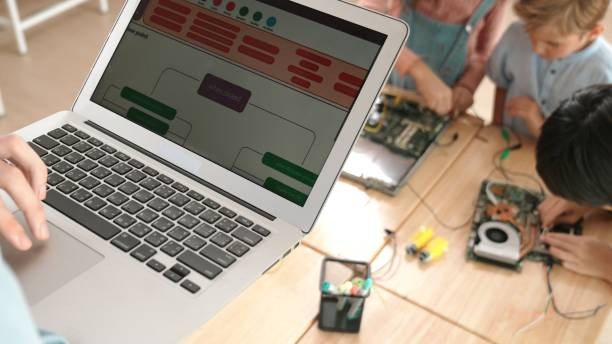
In today’s digital age, technology can be a powerful ally in enriching classroom interactions. Utilizing online platforms for discussions or collaborative projects can extend conversations beyond the classroom walls. Virtual tools can facilitate connections among students, allowing them to share ideas and resources seamlessly.
However, it’s essential to approach technology thoughtfully. Balancing screen time with face-to-face interactions is key. Ensuring that technology serves as a tool for connection rather than a barrier can lead to more meaningful exchanges among students. Thoughtful integration of technology can enhance the learning experience while fostering a sense of community.
Reflecting on progress together
Finally, taking the time to reflect on classroom interactions can be incredibly valuable. Regularly checking in with students about their experiences can provide insights into what’s working and what can be improved. This collaborative reflection fosters a sense of ownership among students, as they feel their voices are heard and valued in shaping the classroom environment.
Encouraging students to share their thoughts on interactions can lead to a deeper understanding of their needs and preferences. This open dialogue not only enhances the classroom experience but also reinforces the importance of community and collaboration.
In conclusion, enriching classroom interactions is a continuous journey that requires intention and care. By fostering connections, nurturing respect, encouraging inquiry, and embracing creativity, educators can create a vibrant learning environment where every student feels valued and heard. As these strategies take root, the classroom transforms into a dynamic community, nurturing not just academic growth, but also personal development and lasting relationships.