In our fast-paced world, the art of teaching can sometimes feel like a juggling act.
The challenge of keeping lessons engaging while ensuring that students grasp the material can lead to moments of frustration.
However, the beauty of learning lies in its rhythm, and there are simple strategies that can help create a comfortable flow, making the experience enjoyable for both educators and learners.
Finding the right pace is essential. Each student comes with their own unique background, learning style, and pace of understanding. By tuning into these differences, educators can create an environment where lessons unfold naturally. This requires a delicate balance of guiding the class while allowing space for questions, reflections, and discussions. When teachers observe their students closely, they can gauge when to accelerate through topics and when to pause, fostering a more inclusive atmosphere.
Another key aspect is the integration of storytelling into lessons. Humans are inherently drawn to stories; they resonate with our experiences and emotions. By weaving narratives into the curriculum, educators can bring abstract concepts to life. Whether it’s sharing a historical anecdote or illustrating a scientific principle through a relatable scenario, storytelling can transform a lesson from a mere transfer of information into an engaging journey. This not only captivates attention but also aids in retention, allowing students to connect with the material on a deeper level.
Creating a supportive classroom environment is equally important. When students feel safe and valued, they are more likely to engage actively in their learning. This can be achieved by encouraging open dialogue and fostering a culture of respect. Simple practices, such as using positive reinforcement and celebrating small achievements, can go a long way in building confidence. When students feel comfortable voicing their thoughts, lessons can flow more smoothly, as they are more willing to participate and share their insights.
The physical setup of the classroom can also impact the flow of lessons. A flexible arrangement that allows for movement and collaboration can invigorate the learning experience. Desks can be arranged in clusters to facilitate group work or discussions, encouraging students to interact with one another. Additionally, incorporating elements like comfortable seating or spaces for quiet reflection can cater to various learning preferences. When the physical environment aligns with the learning objectives, it enhances the overall experience, making it more dynamic and enjoyable.
Incorporating mindfulness practices into the classroom can also promote a smoother lesson flow. Simple techniques, such as a few moments of deep breathing or guided visualization, can help students center themselves before diving into a new topic. This not only calms the mind but also prepares them to absorb information more effectively. Mindfulness fosters a sense of presence, allowing both teachers and students to engage more fully with the material at hand.
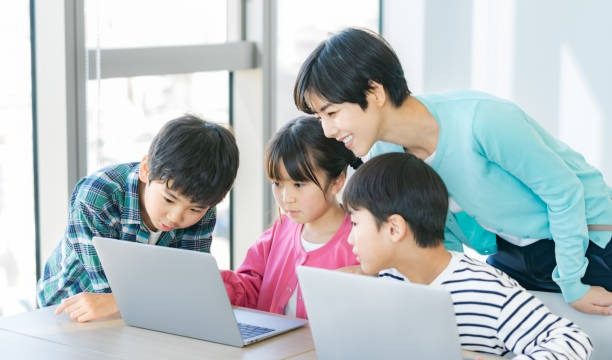
Another gentle shift towards comfort is the integration of technology in a balanced way. Digital tools can enhance learning experiences, making them more interactive and engaging. However, it’s essential to strike a balance; technology should complement the lesson, not overshadow it. When used thoughtfully, digital resources can provide diverse perspectives and facilitate collaboration, enriching the learning process.
Cultivating curiosity is a wonderful way to keep lessons flowing. Encouraging students to ask questions and explore topics that pique their interest can lead to richer discussions. When students take ownership of their learning, they become more invested. This could mean allowing them to choose project topics or engage in research that resonates with their personal interests. By nurturing their innate curiosity, educators can create an atmosphere where learning feels like an exciting adventure rather than a chore.
Another helpful approach is to embrace the power of reflection. Regularly incorporating moments for students to think about what they’ve learned can deepen their understanding. This could be as simple as a few minutes at the end of a lesson for journaling or small group discussions. Reflection allows students to process the information, connect it to their own experiences, and articulate their thoughts. This practice not only reinforces learning but also fosters critical thinking skills.
Building connections between lessons can also create a more cohesive learning experience. When teachers draw links between different subjects or concepts, it helps students see the bigger picture. For instance, relating a math problem to a real-world scenario or connecting literature themes to historical events can enhance comprehension. This interconnectedness allows for a more fluid transition between topics, making lessons feel like a continuous journey rather than isolated bits of information.
Encouraging peer-to-peer learning can also facilitate a more comfortable lesson flow. When students have the opportunity to teach each other, it not only reinforces their understanding but also builds a sense of community. Collaborative activities can spark creativity and critical thinking, allowing students to explore ideas from different angles. This shared learning experience can lead to deeper insights and a more engaging classroom dynamic.
As we navigate the complexities of teaching, it’s important to remember the human element at the core of education. Building authentic relationships with students can significantly enhance the flow of lessons. Taking the time to understand their interests, challenges, and aspirations fosters a sense of belonging and trust. When students feel connected to their teacher, they are more likely to engage wholeheartedly in the learning process.
In conclusion, the journey of teaching is as much about creating a comfortable flow as it is about imparting knowledge. By embracing a range of strategies—such as finding the right pace, incorporating storytelling, fostering a supportive environment, and encouraging curiosity—educators can transform their classrooms into vibrant spaces of learning. When lessons flow naturally, they become a shared experience, filled with discovery, connection, and growth. Through these gentle shifts, both teachers and students can embark on a fulfilling educational journey together.