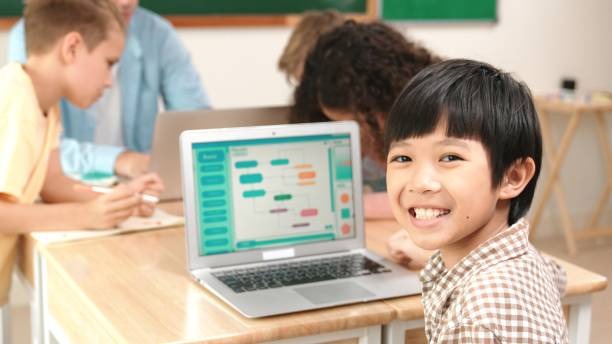
In the vibrant tapestry of education, the connection between teachers and students plays a pivotal role in fostering a nurturing and effective learning environment.
As educators navigate their classrooms, they often seek strategies to bridge the gap between themselves and their students, cultivating an atmosphere where learning thrives.
Here are some gentle approaches that can help teachers connect with their students on a deeper level.
Creating a welcoming space is one of the first steps toward building meaningful relationships. When students enter a classroom that feels warm and inviting, they are more likely to feel safe and open to engaging in the learning process. Simple gestures, such as displaying student artwork or using soft colors in the classroom decor, can create an environment that feels personal and inclusive. When students see their contributions valued, it encourages them to express themselves freely and fosters a sense of belonging.
Understanding the diverse backgrounds and experiences of students is another essential aspect of connection. Each student carries their own unique story, shaped by their culture, family, and personal experiences. By taking the time to learn about these backgrounds, teachers can tailor their lessons to resonate more deeply with their students. This might involve incorporating culturally relevant materials into the curriculum or simply taking a moment to ask students about their interests and passions. When students feel seen and heard, they are more likely to engage actively in their learning.
Engagement can also be enhanced through interactive learning experiences. Rather than relying solely on traditional lectures, teachers might consider incorporating hands-on activities, group discussions, or project-based learning. These methods not only make lessons more dynamic but also encourage collaboration among students. When students work together, they build relationships not only with their peers but also with their teacher, who guides them through the process. This collaborative spirit fosters a sense of community within the classroom, where everyone feels like an integral part of the learning journey.
Encouraging open communication is vital in establishing trust and rapport. Teachers who create an atmosphere where students feel comfortable sharing their thoughts and feelings can significantly enhance the classroom experience. This might involve regular check-ins, where students are invited to express any concerns or ideas they have. By actively listening and responding with empathy, teachers can build a strong foundation of trust. Students are more likely to engage in discussions and seek help when they know their voices matter.
A small shift toward balance can also make a world of difference. Sometimes, the pressure of academic expectations can lead to stress and anxiety among students. By promoting a balanced approach to learning, teachers can help students find joy in their education. This could mean incorporating mindfulness practices, encouraging breaks during lessons, or emphasizing the importance of self-care. When students feel supported in their well-being, they are more likely to approach their studies with enthusiasm and motivation.
Another effective strategy is to share personal stories and experiences. When teachers open up about their own journeys, challenges, and successes, it humanizes them in the eyes of their students. This vulnerability fosters a sense of connection, as students realize that their teachers are not just figures of authority but individuals who have faced their own obstacles. These shared experiences can serve as powerful motivators, inspiring students to persevere through their own challenges.
Incorporating student interests into lessons can also create a more engaging and relatable learning experience. By integrating topics that resonate with students, teachers can spark curiosity and enthusiasm. This might involve allowing students to choose projects based on their interests or connecting lessons to current events. When students see the relevance of their education to their own lives, they are more likely to invest themselves in the learning process.
Cultivating a growth mindset within the classroom can further enhance the teacher-student connection. Encouraging students to view challenges as opportunities for growth rather than obstacles fosters resilience and determination. Teachers can model this mindset by celebrating effort and perseverance, rather than just focusing on grades or outcomes. When students feel supported in their journey of growth, they are more likely to take risks and engage deeply with their learning.
Recognizing and celebrating achievements, both big and small, can also strengthen the bond between teachers and students. Acknowledging progress fosters a sense of accomplishment and motivates students to continue striving for their goals. This recognition can take many forms, from verbal praise to simple gestures like a high-five or a note of encouragement. When students feel appreciated, they are more likely to develop a positive relationship with their teacher and the learning process.
Lastly, fostering a sense of community extends beyond the classroom walls. Involving families in the educational journey can create a supportive network that enhances the learning experience. Teachers might consider hosting family events or sending home newsletters that celebrate classroom achievements and share learning goals. When families are engaged and informed, it strengthens the connection between home and school, providing students with a holistic support system.
In conclusion, the journey of connecting with students is a rewarding endeavor that requires patience, empathy, and creativity. By creating a welcoming environment, understanding diverse backgrounds, promoting open communication, and celebrating achievements, teachers can build meaningful relationships with their students. These connections not only enhance the learning experience but also contribute to the overall well-being of students, fostering a love for learning that can last a lifetime. As educators continue to explore and implement these strategies, they play a vital role in shaping the future of their students, one connection at a time.