Fostering collaboration among students is one of the most rewarding challenges for educators and caregivers alike.
In a world that increasingly values teamwork and cooperative skills, it’s essential to nurture these qualities in young learners.
Collaboration not only enhances academic performance but also builds essential life skills such as communication, empathy, and problem-solving. Here, we explore gentle strategies that can inspire students to work together harmoniously, creating a richer learning experience for everyone involved.
Creating a nurturing environment is foundational to encouraging collaboration. When students feel safe and valued, they are more likely to engage with their peers. This begins with cultivating a classroom atmosphere that celebrates diversity and inclusivity. Simple gestures, such as arranging seating to promote group interaction or decorating the space with student projects, can make a significant difference. When students see their contributions recognized, they feel more connected to one another, fostering a sense of belonging that is crucial for collaborative efforts.
A small shift toward balance can significantly impact how students approach teamwork. Encouraging a culture of mutual respect and understanding is vital. This can start by modeling respectful communication and active listening. When students witness these behaviors, they are more likely to replicate them in their interactions. Creating opportunities for students to share their thoughts and feelings openly, perhaps through regular class discussions or sharing circles, helps build trust and lays the groundwork for effective collaboration.
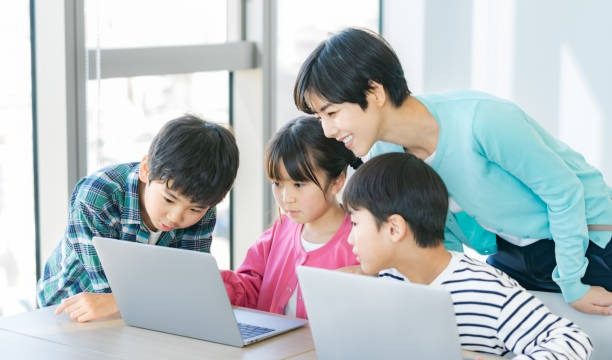
Incorporating group projects is a natural way to inspire collaboration. However, the key is to design these tasks thoughtfully. Projects should be meaningful and relevant to students’ lives, allowing them to connect personal interests with collective goals. By giving students a voice in choosing their projects or topics, educators can ignite enthusiasm and investment in their work. This sense of ownership often leads to deeper engagement and a willingness to cooperate with peers, as students feel their ideas and contributions are valued.
Another gentle strategy involves breaking down barriers to collaboration. Students often hesitate to engage with classmates due to fear of judgment or failure. Creating low-stakes group activities can help alleviate this anxiety. Simple icebreakers or team-building exercises encourage students to interact without the pressure of grades or performance evaluations. These activities can be as simple as sharing fun facts or working together to solve puzzles. By gradually building comfort in group settings, students can develop confidence in their collaborative abilities.
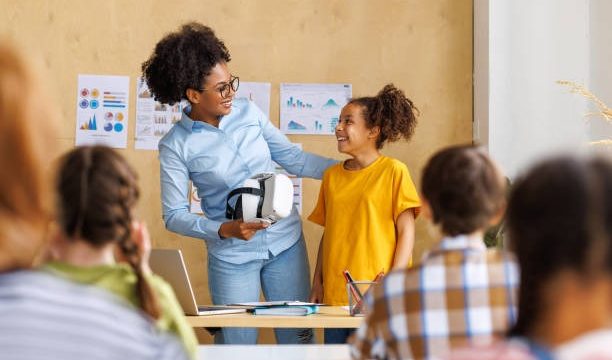
Encouraging peer mentoring is another effective way to foster collaboration. When students take on roles as mentors or tutors, they not only reinforce their understanding of the material but also cultivate a sense of responsibility and empathy. Pairing students with different skill levels can lead to enriching experiences for both parties. The mentor gains confidence and leadership skills, while the mentee receives support and encouragement. This reciprocal learning process can strengthen bonds between students, enhancing their willingness to collaborate in future endeavors.
Celebrating successes, both big and small, is essential in reinforcing collaborative behavior. Recognizing group achievements fosters a sense of accomplishment and encourages students to continue working together. This can take the form of shout-outs during class, showcasing group projects on a bulletin board, or even hosting a collaborative showcase event. When students see that their collective efforts are acknowledged and appreciated, it motivates them to engage more actively in future collaborations.
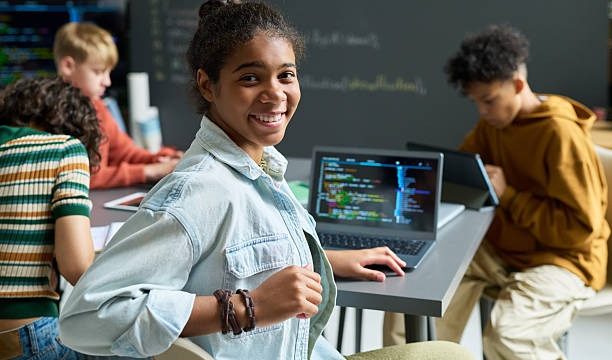
Incorporating technology can also enhance collaborative experiences. Many educational tools and platforms facilitate group work and communication, even beyond the classroom walls. Online forums, collaborative documents, and virtual brainstorming tools can empower students to share ideas and work together in real-time, regardless of their physical location. Teaching students to use these resources effectively can prepare them for future collaborative environments, whether in higher education or the workplace.
As students engage in collaborative work, it’s important to provide guidance on conflict resolution. Disagreements are natural in any group setting, and teaching students how to navigate these challenges is crucial. Role-playing scenarios can be an effective method for illustrating conflict resolution strategies. By practicing how to express differing opinions respectfully and work toward a compromise, students can develop the skills necessary to handle disputes constructively. This not only strengthens their collaborative capabilities but also fosters a sense of resilience.
Encouraging reflection is another gentle yet powerful strategy in promoting collaboration. After group activities, inviting students to share their experiences can deepen their understanding of the collaborative process. Questions such as, “What worked well in your group?” or “How did you overcome challenges together?” allow students to articulate their thoughts and feelings about the experience. This reflection can lead to valuable insights that enhance future collaborative efforts, creating a continuous cycle of improvement.
Lastly, fostering a mindset of gratitude can profoundly impact how students collaborate. Encouraging students to express appreciation for their peers’ contributions cultivates a positive atmosphere. Simple practices, like sharing what they learned from each other or acknowledging a teammate’s effort, can create a ripple effect of kindness and support within the group. When students feel appreciated, they are more likely to engage wholeheartedly in collaborative efforts, enriching the learning experience for everyone.
In conclusion, inspiring students to work collaboratively is a beautiful journey that requires patience, understanding, and creativity. By creating a nurturing environment, incorporating thoughtful group projects, and fostering communication, educators can guide students toward successful teamwork. As students learn to value each other’s contributions and navigate challenges together, they develop essential skills that will serve them well beyond the classroom. Ultimately, the goal is to cultivate a generation of empathetic, cooperative individuals ready to thrive in an interconnected world.