Navigating the classroom can sometimes feel like walking a tightrope.
Educators face a multitude of challenges each day, from diverse learning styles and behavioral issues to limited resources and time constraints.
However, within these challenges lies a treasure trove of opportunities waiting to be uncovered. By shifting our perspectives and approaches, we can transform obstacles into stepping stones for growth, both for educators and students alike.
A gentle shift in perspective can illuminate new possibilities. Instead of viewing a classroom challenge as a setback, consider it an invitation to innovate. For instance, when students struggle to grasp a concept, it can be easy to feel frustrated. However, this moment can serve as a catalyst for creative teaching strategies. Engaging students in discussions about their learning preferences can lead to tailored approaches that resonate with them. This not only fosters a sense of belonging but also empowers students to take ownership of their education.
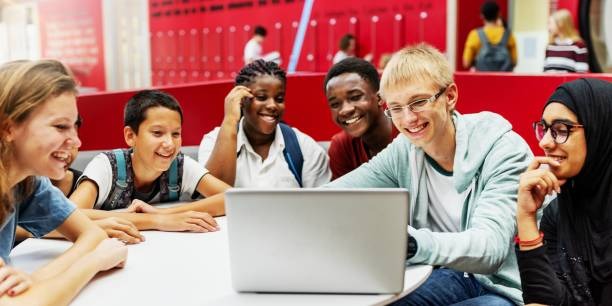
Creating an environment that nurtures collaboration is another way to turn challenges into opportunities. When students work together, they learn from one another, gaining different perspectives that enrich their understanding. If a classroom is struggling with social dynamics, consider implementing group projects that encourage teamwork and communication. These projects can help students develop essential skills such as empathy and conflict resolution. As they navigate challenges together, they build resilience and a sense of community that extends beyond the classroom walls.
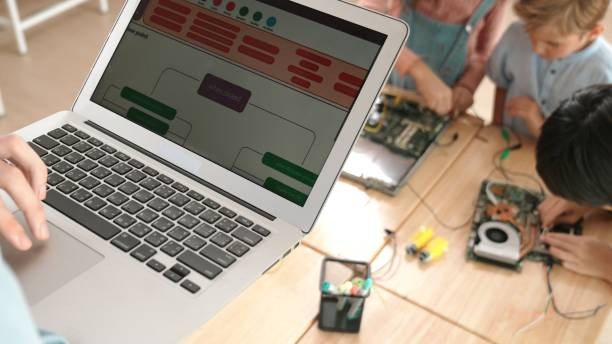
Embracing flexibility can also transform the classroom experience. The traditional model of education often emphasizes structure and routine, but allowing for spontaneity can lead to unexpected learning moments. For example, if a lesson plan doesn’t seem to be resonating with students, instead of adhering rigidly to it, consider pivoting to a more engaging method. This could mean incorporating hands-on activities or utilizing technology to create interactive lessons. By being open to change, educators not only meet students where they are but also foster a culture of adaptability that prepares them for future challenges.
Cultivating emotional intelligence is another powerful strategy for addressing classroom challenges. Students come to school with various backgrounds and experiences that shape their emotional responses. When educators prioritize social-emotional learning, they equip students with the tools to navigate their feelings and relationships. Integrating practices such as mindfulness and reflection into the daily routine can create a more harmonious classroom environment. As students learn to recognize and manage their emotions, they become more resilient, ultimately transforming challenges into opportunities for personal growth.
Building strong relationships with students can also be a game changer. When students feel valued and understood, they are more likely to engage in their learning. Taking the time to connect with each student individually can reveal insights into their unique challenges and strengths. Simple gestures, such as checking in on their well-being or celebrating their achievements, can make a significant impact. These connections foster trust, encouraging students to approach challenges with a sense of safety and support.
Incorporating student voice into the classroom can further empower learners. When students are given the opportunity to express their thoughts and ideas, they feel a sense of ownership over their education. This can be achieved through regular feedback sessions or by allowing students to contribute to lesson planning. By actively involving them in the decision-making process, educators can create a more inclusive environment that values diverse perspectives. This empowerment not only helps students navigate their challenges but also cultivates leadership skills that will serve them well beyond the classroom.
Another important aspect of turning challenges into opportunities is the role of professional development for educators. Continuous learning and growth are essential for teachers to adapt to the ever-evolving educational landscape. Engaging in workshops, collaborating with colleagues, and seeking mentorship can provide valuable insights into effective teaching strategies. By investing in their own development, educators can better equip themselves to handle classroom challenges, turning their experiences into opportunities for both personal and professional growth.
Creating a culture of celebration within the classroom can also shift the narrative around challenges. Recognizing small victories, whether it’s a student mastering a difficult concept or showing improvement in their behavior, fosters a positive atmosphere. Celebrations don’t have to be grand; even simple acknowledgments can encourage students to persevere through difficulties. This culture of recognition reinforces the idea that challenges are not failures but rather stepping stones toward success.
As we explore these strategies, it’s important to remember that each classroom is unique. What works for one group of students may not resonate with another. Therefore, being attuned to the specific needs and dynamics of the classroom is crucial. Flexibility, empathy, and creativity are key ingredients in the recipe for transforming challenges into opportunities.
Ultimately, the journey of education is one of growth and discovery. Challenges will undoubtedly arise, but by embracing them with an open heart and a willingness to adapt, educators can create an enriching environment where every student has the chance to thrive. With each challenge faced and overcome, we cultivate not only resilient learners but also a deeper understanding of the beautiful complexity of the human experience. In this way, the classroom becomes not just a place of learning but a vibrant community where challenges are embraced and opportunities flourish.