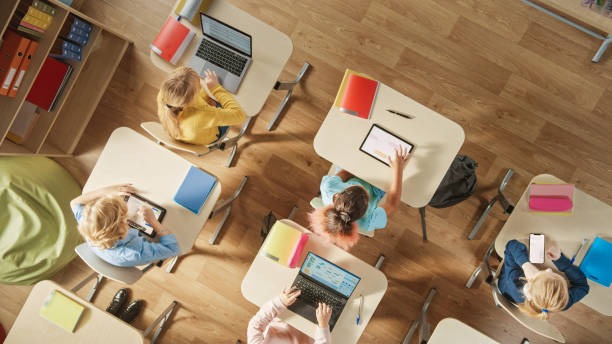
In the ever-evolving world of education, the focus is shifting toward methods that engage students more actively in their own learning.
Active learning encourages students to take charge of their education, fostering a deeper understanding of the material and a greater retention of knowledge.
One of the most effective ways to promote this kind of engagement is through thoughtfully designed teaching materials. These resources not only enhance the learning experience but also create a vibrant classroom atmosphere where curiosity and collaboration thrive.
A gentle nudge toward exploration
At the heart of active learning is the concept of exploration. When students are encouraged to explore concepts rather than passively absorb information, they become more invested in their learning. Teaching materials that prompt inquiry naturally lend themselves to this approach. For instance, open-ended questions in worksheets or discussion prompts in textbooks can stimulate critical thinking and invite students to express their ideas and opinions.
Imagine a science classroom where students are given a hands-on experiment kit. Instead of merely reading about chemical reactions, they can mix substances, observe changes, and draw conclusions based on their observations. This experiential learning not only solidifies their understanding but also ignites a passion for discovery.
Fostering collaboration through group activities
Another powerful aspect of active learning is collaboration. Teaching materials that promote group work can significantly enhance student engagement. When students work together on projects, they share their unique perspectives and learn from each other. This not only builds teamwork skills but also creates a sense of community within the classroom.
Consider a history lesson where students are tasked with creating a presentation on a specific era. By researching together, discussing their findings, and presenting as a team, they engage in a dynamic learning process. The materials they use—be it digital resources, books, or visual aids—become tools for collaboration, allowing students to take ownership of their learning journey.
Incorporating technology for a modern twist
In our increasingly digital world, incorporating technology into teaching materials can be incredibly beneficial for active learning. Interactive apps, educational games, and online discussion forums can make learning more engaging and accessible. These tools can cater to different learning styles, allowing students to absorb information in ways that resonate with them.
For example, a math lesson supplemented by an interactive app can help students visualize complex problems. As they manipulate numbers and see immediate results, they develop a deeper understanding of mathematical concepts. This blend of technology and traditional learning materials creates a rich tapestry of educational experiences that cater to the diverse needs of students.
Creating a safe space for expression
Active learning thrives in an environment where students feel safe to express their thoughts and ideas. Teaching materials that encourage reflection and personal expression can help cultivate this atmosphere. Journals, portfolios, or creative projects allow students to articulate their understanding and emotions related to the subject matter.
Imagine a literature class where students are encouraged to write personal reflections on the characters and themes of a novel. This not only deepens their comprehension but also allows them to connect the material to their own lives. When students see their voices valued, they are more likely to engage actively in discussions and explorations of the content.
A holistic approach to learning
Active learning is not just about engagement; it’s about fostering a holistic understanding of the material. Teaching materials that integrate various subjects can help students see the connections between different areas of knowledge. For instance, a project that combines art and science can allow students to express scientific concepts through creative mediums. This interdisciplinary approach not only makes learning more enjoyable but also encourages students to think critically about the world around them.
Picture a classroom where students create a mural that represents ecological systems. As they paint, they discuss the scientific principles behind their artwork, reinforcing their learning in both art and science. This kind of holistic engagement nurtures well-rounded individuals who appreciate the interconnectedness of knowledge.
Encouraging self-directed learning
One of the most empowering aspects of active learning is the promotion of self-directed learning. Teaching materials that provide choices and allow for autonomy can inspire students to take initiative in their education. Whether through project-based learning or choice boards, giving students a say in how they learn can lead to greater motivation and investment in their studies.
Envision a classroom where students can choose from various projects to demonstrate their understanding of a topic. Some may opt for a creative presentation, while others might prefer a written report or a digital project. This flexibility not only caters to different strengths and interests but also encourages students to take responsibility for their learning.
The joy of discovery
Ultimately, the goal of incorporating teaching materials that encourage active learning is to instill a love of learning in students. When they engage with the material actively, they experience the joy of discovery. Whether through collaboration, exploration, or personal expression, students become not just learners, but lifelong seekers of knowledge.
As educators and parents, it’s essential to embrace these strategies and materials that foster active learning. By creating environments rich with opportunity, we can inspire the next generation to be curious, engaged, and passionate about their education. The journey of learning is one filled with wonder, and with the right materials, we can help students navigate it with excitement and confidence.
In the end, teaching materials that promote active learning are more than just tools; they are the keys that unlock the potential within each student. By nurturing a culture of exploration, collaboration, and self-directed learning, we pave the way for a brighter future where education is a joyful adventure.