Creating an engaging classroom environment that fosters student participation can sometimes feel like a delicate balancing act.
Teachers often find themselves navigating a landscape filled with diverse personalities and learning styles.
By incorporating thoughtful teaching tools, educators can create a space where every student feels empowered to contribute. This article explores various strategies that can encourage participation in a warm and inviting way.
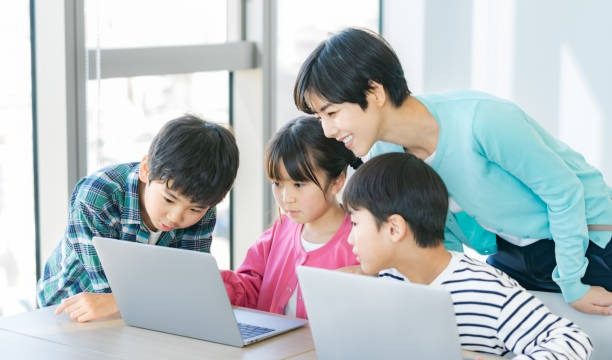
The importance of student participation cannot be overstated. When students actively engage, they not only enhance their own learning experience but also contribute to a vibrant classroom dynamic. One way to encourage this participation is through the use of interactive technologies. Tools such as smartboards and educational apps can transform traditional lessons into interactive experiences. For instance, using a smartboard allows students to participate in lessons by solving problems or collaborating on projects in real-time. This immediate feedback helps them feel more connected to the material and encourages them to share their thoughts without the fear of making mistakes.
Another effective tool is the implementation of small group discussions. Breaking the class into smaller groups allows students to express themselves more freely. In a large classroom setting, some students may feel overwhelmed or intimidated, making it harder for them to voice their opinions. In smaller groups, however, they can share ideas and ask questions in a more relaxed atmosphere. This approach not only promotes participation but also fosters collaboration and peer learning, allowing students to learn from one another in a supportive environment.
Creating a culture of respect and trust is equally important in encouraging student participation. Establishing ground rules for discussions can lay the foundation for an inclusive classroom. When students understand that their contributions are valued and respected, they are more likely to engage. Simple practices like starting each class with a positive affirmation or a moment of gratitude can set a warm tone. This small shift toward balance helps cultivate an environment where students feel safe to express their thoughts, knowing they will be heard.
Incorporating choices into the learning process can also significantly boost student engagement. Allowing students to select topics for projects or choose how they want to demonstrate their understanding can ignite their enthusiasm. When students feel a sense of ownership over their learning, they are more likely to participate actively. This approach not only makes learning more enjoyable but also caters to different learning styles, ensuring that each student can engage in a way that feels right for them.
Another gentle yet effective method is to use storytelling as a teaching tool. Stories have a unique ability to captivate and connect with students on a personal level. By weaving narratives into lessons, teachers can create a context that resonates with students, making the material more relatable. This connection can encourage students to share their own stories or experiences, fostering a richer dialogue within the classroom. When students see the relevance of what they are learning, they are more inclined to participate.
In addition to these approaches, integrating arts and creativity into lessons can also enhance participation. Activities such as role-playing, drama, or even visual arts can provide students with alternative avenues to express their understanding. These creative outlets can help students articulate their thoughts in ways that traditional methods may not. When students can engage with the material through their own unique talents, it opens up new pathways for participation.
Building relationships with students is at the heart of encouraging engagement. Taking time to get to know each student, their interests, and their strengths can make a significant difference. When students feel that their teacher genuinely cares about them, they are more likely to participate. Simple gestures, such as greeting students by name or showing interest in their hobbies, can foster a strong teacher-student bond. This connection not only encourages participation but also creates a supportive classroom community.
As we explore these tools and strategies, it’s important to remember that every classroom is unique. What works for one group of students may not resonate with another. Therefore, being flexible and open to trying new approaches is key. Teachers can experiment with different tools and observe how students respond. This willingness to adapt can lead to discovering what truly inspires participation in their specific classroom.
In conclusion, creating an environment that encourages student participation is a multifaceted endeavor. By incorporating interactive technologies, fostering small group discussions, and building a culture of respect, teachers can create a welcoming atmosphere. Adding elements of choice, storytelling, creativity, and personal connection further enriches the learning experience. Ultimately, the goal is to cultivate a classroom where every student feels valued and inspired to share their voice. By embracing these gentle strategies, educators can transform the classroom into a dynamic space of collaboration and growth.