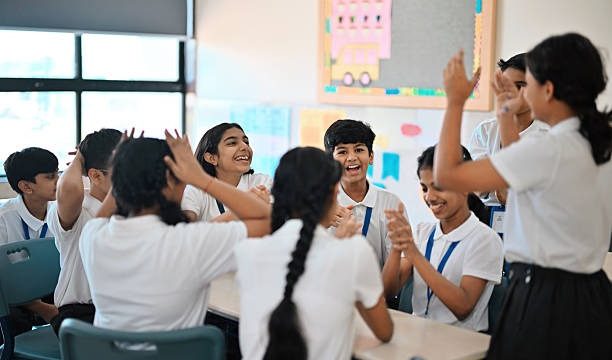
Active learning has been gaining traction as an effective approach to education, and for good reason.
It encourages students to engage with the material in a way that goes beyond passive absorption.
Instead of merely listening to lectures or reading textbooks, active learning invites individuals to participate, collaborate, and reflect on their experiences. This interactive process not only brings academic subjects to life but also strengthens essential skills that are vital for personal and professional growth.
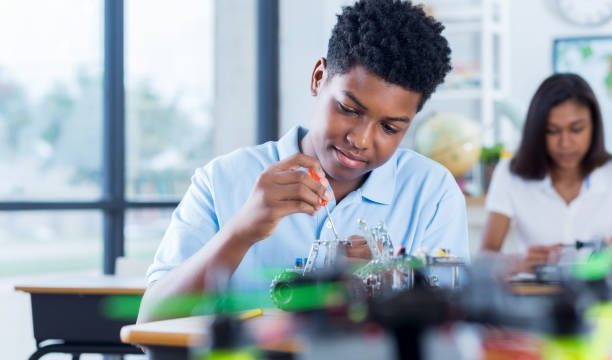
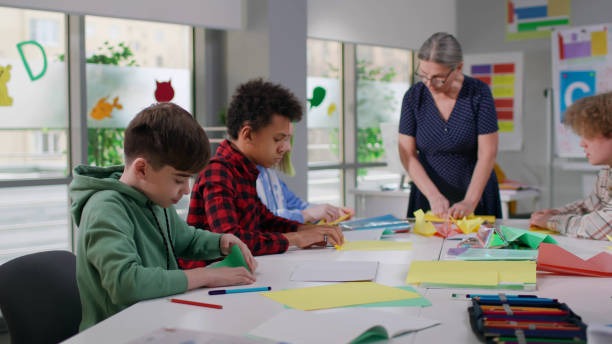
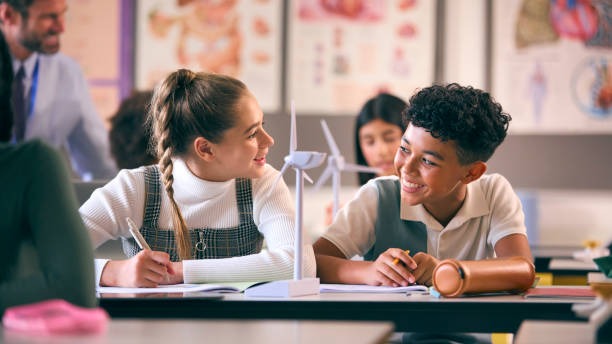
When we think about learning, we often picture a traditional classroom setting where students sit quietly, taking notes as a teacher imparts knowledge. However, active learning flips this model on its head. It fosters a more dynamic environment where students become co-creators of their educational journey. By immersing themselves in discussions, group work, and hands-on projects, learners develop a deeper understanding of the subject matter. This engagement is not just about memorizing facts; it’s about cultivating critical thinking and problem-solving abilities that are invaluable in any context.
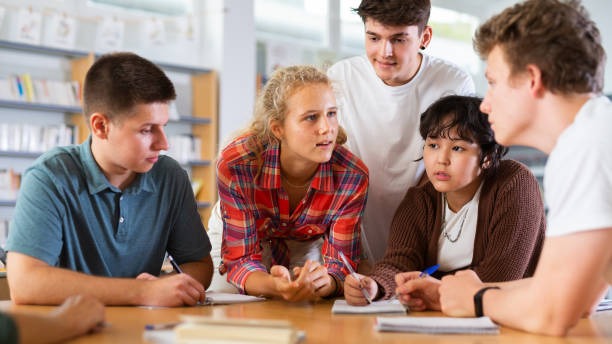
One of the most beautiful aspects of active learning is its emphasis on collaboration. In group settings, students share diverse perspectives, which enriches the learning experience. This cooperative spirit encourages empathy and communication skills. When learners articulate their thoughts and listen to others, they practice the art of dialogue—a skill that goes beyond the classroom. These interactions can help build confidence, making it easier for individuals to express themselves in various situations, whether during a presentation, a job interview, or a casual conversation.
As students navigate group dynamics, they also learn the importance of accountability. Working together means relying on each other to accomplish a common goal. This shared responsibility fosters a sense of ownership over the learning process. When students take initiative and contribute to group projects, they not only enhance their academic skills but also develop a strong work ethic. This sense of accountability can carry over into other areas of life, helping individuals become more responsible and reliable in both personal and professional settings.
Active learning also encourages a mindset of curiosity and exploration. Traditional learning often emphasizes rote memorization, while active learning invites students to ask questions and seek answers. This inquisitive approach nurtures a love for learning that extends beyond the classroom. When individuals feel empowered to explore their interests and follow their curiosity, they become lifelong learners. This continuous pursuit of knowledge is a vital skill in an ever-evolving world, where adaptability and innovation are key to success.
Another significant benefit of active learning is the enhancement of organizational and time-management skills. Many active learning methods require students to plan and prioritize their tasks, whether it’s preparing for a group presentation or coordinating a research project. These experiences teach individuals how to manage their time effectively, balancing multiple responsibilities while maintaining focus on their academic goals. As they navigate deadlines and collaborate with peers, they develop a sense of discipline that serves them well in both their studies and future careers.
Moreover, active learning often involves real-world applications of knowledge. By working on projects that mimic real-life scenarios, students can see the relevance of what they are learning. This connection between theory and practice not only solidifies understanding but also enhances retention. When learners can relate concepts to their own experiences, they are more likely to remember and utilize that knowledge in the future. This practical approach to learning makes education feel more meaningful and impactful.
In addition to fostering academic skills, active learning promotes emotional intelligence. Engaging with others in a collaborative environment can evoke a range of emotions—from excitement to frustration. Navigating these feelings helps students develop resilience and adaptability. They learn to manage stress, handle disagreements, and celebrate successes together. This emotional growth is just as important as academic progress, as it lays the foundation for strong interpersonal relationships and effective teamwork.
As we embrace the concept of active learning, it’s essential to recognize that this approach can be tailored to fit individual learning styles. Each person has unique strengths and preferences, and active learning allows for flexibility. Whether someone thrives in group discussions, enjoys hands-on projects, or prefers independent research, there are countless ways to engage with the material actively. This customization not only makes learning more enjoyable but also ensures that everyone has the opportunity to succeed in their own way.
In the grand tapestry of education, active learning emerges as a powerful thread that weaves together knowledge, skills, and personal growth. By encouraging engagement, collaboration, and real-world applications, this approach strengthens academic skills while nurturing essential life skills. It transforms the learning experience from a passive endeavor into an active journey filled with curiosity and discovery.
As we reflect on the benefits of active learning, it becomes clear that this method is not just a trend but a fundamental shift in how we approach education. It invites us to rethink the way we engage with knowledge and each other. By embracing active learning, we open the door to a world of possibilities, where students are not just recipients of information but active participants in their own education.
In conclusion, the journey of active learning is one of empowerment and growth. It encourages students to take charge of their learning while fostering essential skills that will serve them well beyond the classroom. As we continue to explore and implement this approach, we can look forward to a future where education is not just about acquiring knowledge but about cultivating the skills and mindsets necessary for success in an ever-changing world.