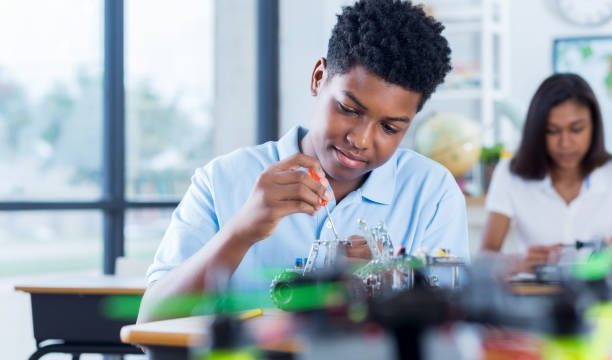
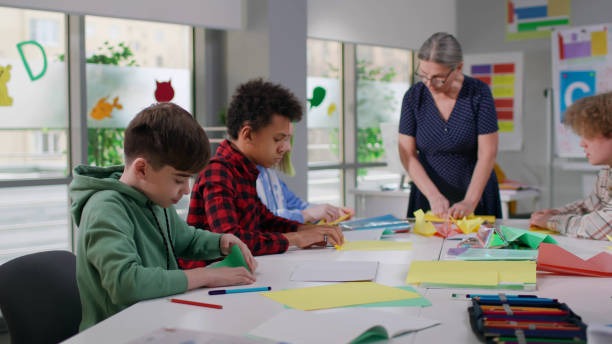
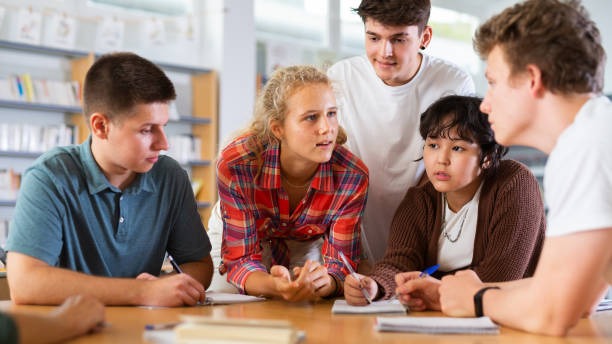
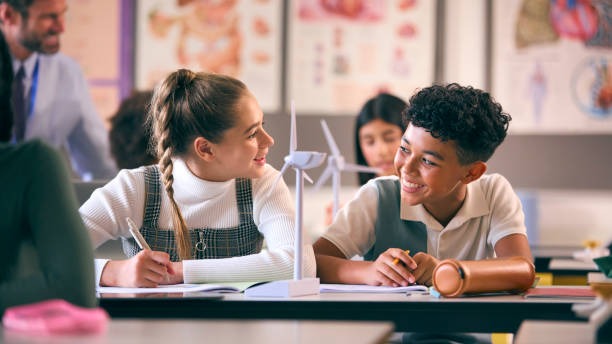
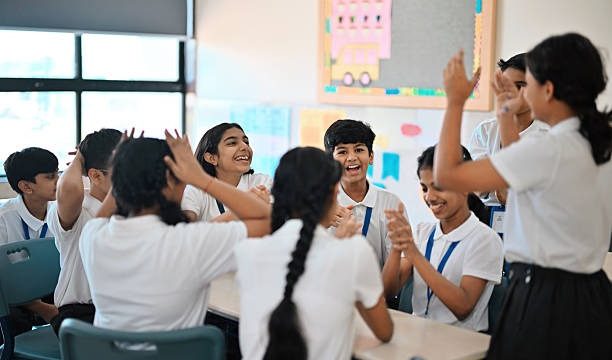
In the vibrant world of education, classroom participation often stands as a cornerstone of effective learning.
The act of engaging in discussions, sharing thoughts, and exchanging ideas creates a dynamic environment where students can flourish.
When individuals feel comfortable contributing, it not only enhances their own understanding but also enriches their peers’ learning experiences.
A gentle shift toward connection
At its core, classroom participation fosters a sense of community. When students engage with one another, they build connections that extend beyond the walls of the classroom. This sense of belonging can be particularly beneficial in a diverse learning environment, where students from various backgrounds come together. Sharing different perspectives not only broadens horizons but also cultivates empathy and respect. It encourages students to listen actively and appreciate the unique contributions of their classmates.
Moreover, engaging in discussions allows students to articulate their thoughts clearly. This practice is essential for developing communication skills, which are invaluable not just in academics but also in everyday life. When students express their ideas, they learn to structure their thoughts, making them more coherent and persuasive. This skill can serve them well in future endeavors, whether in higher education or the professional world.
Nurturing confidence through participation
For many students, speaking up in class can be a daunting task. However, regular participation can significantly boost self-confidence. When students contribute to discussions, they receive feedback from both their peers and instructors. Positive reinforcement fosters a sense of accomplishment and encourages individuals to take further risks in sharing their thoughts. Over time, this process helps students become more comfortable with public speaking and expressing their opinions.
Additionally, classroom participation offers a safe space for students to explore their ideas. In an environment where mistakes are seen as learning opportunities rather than failures, students can experiment with their thoughts without fear. This freedom to express themselves can lead to deeper understanding and greater creativity. When students are encouraged to think outside the box, they often discover new ways to approach problems and develop innovative solutions.
The ripple effect of shared knowledge
When students participate actively in class, they contribute to a collective pool of knowledge. Each contribution adds a layer of depth to the discussion, allowing everyone to benefit from diverse insights. This collaborative learning experience can lead to a richer understanding of the subject matter. As students share their interpretations and analyses, they challenge one another to think critically and explore various angles of a topic.
Furthermore, classroom discussions can spark curiosity. When one student poses a question or shares an interesting fact, it can ignite a chain reaction of inquiry. Peers may feel inspired to delve deeper into the subject, leading to independent research and exploration. This organic flow of ideas not only enhances individual learning but also cultivates a culture of intellectual curiosity within the classroom.
Creating a supportive environment
To maximize the benefits of classroom participation, it’s essential to create a supportive atmosphere where all voices are heard. Instructors play a crucial role in this regard. By encouraging students to share their thoughts and providing constructive feedback, teachers can help foster a sense of safety and respect. When students feel valued and respected, they are more likely to engage actively in discussions.
In addition, incorporating various methods of participation can cater to different learning styles. Some students may feel more comfortable expressing themselves through written assignments, while others may thrive in group discussions. By offering diverse avenues for participation, educators can ensure that every student has the opportunity to contribute in a way that resonates with them.
The importance of active listening
Participation is not solely about speaking; it also encompasses the vital skill of active listening. When students listen attentively to their peers, they demonstrate respect and openness to new ideas. This practice not only enhances their understanding of the topic but also fosters a collaborative spirit. By valuing others’ contributions, students learn to build on each other’s ideas, creating a more cohesive learning experience.
Active listening is an essential life skill that extends beyond the classroom. In a world where communication is key, the ability to listen and engage with others thoughtfully is invaluable. As students practice this skill in the classroom, they become more adept at navigating conversations and building relationships in their personal and professional lives.
Embracing lifelong learning
Ultimately, classroom participation instills a love for learning that can last a lifetime. When students engage actively with the material and their peers, they develop a deeper appreciation for knowledge. This enthusiasm can motivate them to pursue further education and explore new subjects with curiosity and excitement.
As individuals grow and evolve, the skills cultivated through classroom participation—confidence, communication, collaboration, and critical thinking—will continue to serve them well. These skills are not only essential for academic success but also for personal fulfillment and professional growth.
In the ever-changing landscape of education, the role of classroom participation cannot be understated. It creates an environment where students feel connected, supported, and inspired. By embracing this collaborative approach to learning, we can help nurture a generation of thoughtful, engaged individuals who are eager to contribute to their communities and the world at large.
In a sense, classroom participation is a gentle reminder that learning is not a solitary endeavor but a shared journey. By valuing each voice and encouraging open dialogue, we can create a richer, more inclusive educational experience that benefits everyone involved. Through this collective effort, we can cultivate a love for learning that transcends the classroom, allowing students to thrive in all aspects of their lives.