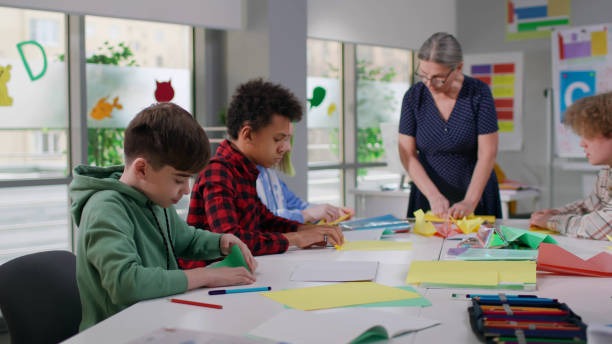
The journey toward academic success is a shared adventure, one that involves not only students but also the dedicated teachers who guide them along the way.
In a world filled with distractions and pressures, educators play a crucial role in nurturing curiosity, fostering resilience, and helping students achieve their fullest potential.
Here, we explore the gentle yet impactful ways teachers can steer their students toward a brighter academic future.
Creating a nurturing environment is often the first step in this journey. When students feel safe and supported, they are more likely to take risks in their learning. A classroom that radiates warmth and inclusivity encourages students to express their thoughts without fear of judgment. This sense of belonging can be cultivated through simple gestures, such as greeting students at the door, personalizing interactions, and showing genuine interest in their lives. When students know their teacher cares, they are more likely to engage with the material and invest in their own learning.
Encouragement can be a powerful motivator. Teachers who celebrate small successes and recognize individual achievements help students build confidence. A simple word of praise can go a long way, reinforcing the idea that effort and persistence are valued. It’s essential for educators to provide constructive feedback that highlights strengths while gently guiding students toward areas for improvement. This approach not only fosters a growth mindset but also cultivates resilience, enabling students to view challenges as opportunities for learning rather than obstacles.
Incorporating varied teaching methods can also enhance the learning experience. Each student has a unique way of absorbing information, and diversifying instructional strategies can cater to different learning styles. Whether through hands-on activities, collaborative projects, or technology integration, teachers can create a dynamic learning atmosphere that keeps students engaged and eager to participate. By making lessons relatable and relevant to students’ lives, educators can spark interest and deepen understanding.
A small shift toward balance can make a significant difference in students’ academic journeys. With the pressures of standardized testing and high expectations, students often find themselves overwhelmed. Teachers can help by encouraging a balanced approach to learning that includes time for reflection, creativity, and relaxation. Simple practices, like mindful breathing exercises or short breaks during lessons, can help students manage stress and recharge their minds. By teaching students the importance of self-care and time management, educators equip them with essential life skills that extend beyond the classroom.
Building strong relationships with families is another cornerstone of academic success. When teachers engage with parents and guardians, they create a supportive network that reinforces learning at home. Regular communication, whether through newsletters, phone calls, or informal chats, keeps families informed and involved in their children’s education. Encouraging parents to share their insights and concerns fosters a collaborative spirit, making it easier for teachers to understand students’ needs and tailor their approaches accordingly.
Moreover, instilling a love for learning is perhaps one of the most rewarding aspects of teaching. When students are excited about discovering new concepts and ideas, academic success becomes a natural byproduct. Teachers can ignite this passion by introducing topics that resonate with students’ interests and encouraging them to explore subjects beyond the curriculum. Field trips, guest speakers, and project-based learning can transform mundane lessons into memorable experiences, inspiring students to pursue knowledge with enthusiasm.
In addition to academic knowledge, life skills are crucial for students’ overall development. Teachers can incorporate lessons on critical thinking, problem-solving, and effective communication into their curricula. Encouraging students to collaborate on group projects not only enhances their understanding of the subject matter but also helps them develop interpersonal skills that will serve them well in their future endeavors. By fostering an environment where students learn to articulate their ideas and engage in respectful discussions, teachers prepare them for success in both academic and real-world settings.
As we consider the multifaceted role of teachers, it’s important to recognize the value of self-reflection. Educators who take time to evaluate their teaching practices and seek professional development opportunities can continuously improve their effectiveness. Sharing experiences with colleagues and participating in workshops can foster a sense of community among educators, allowing them to exchange ideas and strategies. This commitment to growth not only benefits teachers but ultimately enriches the learning experience for students.
Encouraging a mindset of curiosity is essential in guiding students toward academic success. When teachers model a love for learning and demonstrate their own inquisitiveness, students are more likely to adopt similar attitudes. Asking open-ended questions and promoting discussions that challenge students to think critically can stimulate intellectual engagement. Creating an atmosphere where questions are welcomed and exploration is encouraged can lead to deeper understanding and a lifelong love of learning.
As the academic landscape continues to evolve, the role of teachers remains ever-important. Their ability to inspire, motivate, and guide students can shape the course of young lives in profound ways. By fostering supportive relationships, promoting a balanced approach to learning, and instilling a passion for knowledge, teachers have the power to illuminate the path toward academic success. In this shared journey, educators and students together can navigate the challenges of education, celebrating achievements and growing through experiences, one step at a time.
In the end, academic success is not just about grades or test scores; it’s about nurturing well-rounded individuals who are prepared to face the world with confidence and curiosity. With the right guidance, students can flourish, discovering their unique talents and passions along the way. As we celebrate the dedication of teachers, let us also remember the incredible potential within each student, waiting to be unlocked through encouragement, support, and a love for learning.