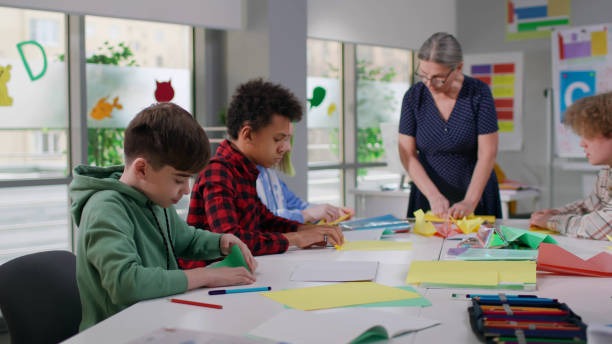
Inspiring Students to Discover Their Academic Strengths
Every student is a unique tapestry woven from diverse experiences, talents, and aspirations.
While some may shine in mathematics, others might dazzle in languages or the arts.
The journey to discovering academic strengths can feel daunting for many, yet it is also a transformative experience that can shape a student’s self-esteem and future. Encouraging students to explore their strengths not only enhances their academic journey but also nurtures a sense of identity and purpose.
It often begins with a gentle nudge in the right direction. Sometimes, students may not recognize their strengths because they are too focused on their weaknesses or the subjects they find challenging. A supportive environment can make all the difference. Family members, teachers, and friends can play pivotal roles in helping students uncover and embrace their talents. By fostering open conversations about interests and passions, we can create a space where students feel comfortable exploring various subjects without the fear of judgment.
Finding strength in diversity
One of the most beautiful aspects of education is its diversity. In a classroom, students come from various backgrounds and possess a range of skills. This diversity is not just about culture or ethnicity; it also encompasses different learning styles and preferences. Some students might thrive in collaborative environments, while others may prefer solitary study. Recognizing that each student has a unique way of engaging with material can help educators tailor their approach to inspire.
When students see their peers excelling in areas they might struggle with, it’s easy for them to feel disheartened. However, this can also be a great opportunity for peer learning. Encouraging students to work together fosters a sense of community and allows them to learn from one another. By engaging in group projects or study sessions, students can discover strengths they may not have recognized in themselves. They may find that they excel in leadership roles, creative problem-solving, or even providing support to their friends, which can be just as valuable as academic prowess.
A gentle exploration of interests
Encouraging students to explore a variety of subjects is essential for uncovering their strengths. Schools often have a set curriculum, but there are numerous ways to go beyond traditional learning. Extracurricular activities such as clubs, sports, and arts programs provide students with opportunities to explore new interests. These activities can be the perfect playground for self-discovery. A student who may struggle with math might find a passion for drama, where they can express themselves freely and build confidence.
Moreover, it’s important to celebrate small victories along the way. When a student tries their hand at something new and achieves even a modest success, it can ignite a spark of confidence. This newfound enthusiasm can lead to further exploration and growth. Encouragement from teachers and peers can amplify this effect, creating a positive feedback loop where students feel supported in their endeavors.
The role of mentorship
Mentorship can be another powerful tool in helping students discover their strengths. A mentor can provide guidance, share their own experiences, and offer insights that students might not have considered. This relationship can be informal, such as a teacher who takes the time to understand a student’s interests, or more structured, like a formal mentoring program.
Having someone to look up to can inspire students to pursue their passions with vigor. When they see someone who has navigated similar challenges and emerged successful, it can instill a sense of possibility. Mentors can encourage students to take risks and explore new avenues, reassuring them that it’s okay to make mistakes along the way. This kind of support can be a game-changer in a student’s academic journey.
Creating a culture of curiosity
Fostering a culture of curiosity within the classroom can also inspire students to uncover their strengths. When educators encourage questions and exploration, students feel more engaged and invested in their learning. This can be achieved through project-based learning, where students tackle real-world problems and apply their knowledge in practical ways.
Curiosity leads to discovery. When students are encouraged to ask “why” and “how,” they begin to take ownership of their learning. This empowerment can reveal hidden talents and strengths they may not have otherwise recognized. Moreover, when students are given the freedom to explore topics that resonate with them, their enthusiasm for learning often increases, leading to greater academic success.
Fostering resilience through challenges
Part of discovering one’s strengths involves encountering challenges. Learning to navigate obstacles can be an enlightening experience. Encouraging students to view challenges as opportunities for growth rather than setbacks can foster resilience. This mindset is crucial in academic settings and beyond.
When students learn to embrace difficulties, they often uncover strengths they didn’t know they had. A student who struggles with a particular subject may develop perseverance and problem-solving skills that serve them well in other areas of life. Teachers and mentors can help students reframe their experiences, highlighting the importance of resilience and encouraging them to keep pushing forward.
The journey of self-discovery
Ultimately, discovering academic strengths is a journey, not a destination. It requires patience, exploration, and a supportive environment. Students need to feel that it’s okay to take their time and that they are not alone in their struggles. By fostering a culture of support, curiosity, and resilience, we can inspire students to embark on this journey with eagerness.
As students explore their strengths, they not only enhance their academic lives but also cultivate a deeper understanding of who they are as individuals. This self-discovery can lead to a more fulfilling and purpose-driven life, equipping them with the tools they need to navigate the complexities of the world beyond school. In the end, it’s about nurturing the whole person, encouraging them to shine in their unique way and embrace the beautiful tapestry of their talents.