Exercise is often associated with high intensity, strict schedules, or the expectation of immediate results.
However, fitness does not have to feel stressful or overwhelming.
Effective at home exercises without pressure allow you to improve strength, flexibility, and overall wellness while honoring your body and lifestyle. This approach emphasizes consistency, mindful movement, and enjoyment rather than strict performance, helping you build a sustainable routine that supports long-term health.
One of the most accessible ways to begin is through bodyweight exercises. Movements like squats, lunges, push-ups, and bridges can be adapted to suit your current fitness level. These exercises require no equipment and can be performed at a comfortable pace, allowing you to focus on proper form and controlled motion. Starting gently reduces the risk of strain and encourages a positive association with movement. Over time, consistent practice leads to measurable improvements in strength, posture, and endurance without the stress of intense training.
Core exercises are essential for building stability and supporting daily function. Simple exercises such as planks, seated twists, bridges, and standing side bends engage the abdominal and back muscles, improving balance and posture. By focusing on controlled movements rather than speed or repetitions, you encourage full engagement of the muscles and protect yourself from unnecessary strain. Core strength contributes to overall confidence in movement and makes other exercises more effective and safe.
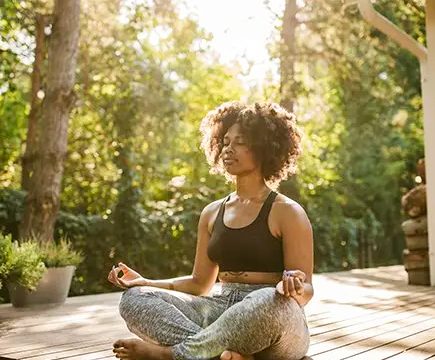
Flexibility and mobility exercises are equally important in low-pressure home workouts. Gentle stretching for the shoulders, back, hips, and legs improves range of motion and reduces stiffness. Movements inspired by yoga or Pilates can enhance flexibility while providing a calming, restorative component to your routine. Incorporating these exercises helps your body feel more comfortable and agile, supporting functional fitness while promoting relaxation and mental clarity.
Cardiovascular movement can also be adapted to a stress-free home routine. Activities such as marching in place, step-ups, or light dancing increase heart rate and circulation without requiring high-impact or intense effort. Short bursts of gentle cardio can improve endurance, boost energy, and elevate mood, all while remaining approachable. By adjusting the intensity to suit your comfort level, you maintain consistency and avoid feeling pressured to achieve specific performance benchmarks.
Short, structured circuits provide variety without overwhelming the body or mind. Combining a few exercises, like squats, bridges, and seated arm movements, in a gentle sequence engages multiple muscle groups in a single session. These circuits can be completed in ten to twenty minutes, making them manageable even on busy days. By prioritizing quality of movement and personal comfort, you create a workout that is effective, safe, and satisfying, helping you establish a consistent habit without stress.
Mindfulness enhances the benefits of at home exercises without pressure. Paying attention to your breathing, posture, and movement allows you to engage muscles fully and prevent discomfort. Coordinating breath with motion can increase relaxation and mental focus, transforming exercise into a form of self-care rather than an obligation. Mindful movement encourages a connection between body and mind, helping you appreciate your progress and celebrate the simple act of taking care of yourself.
Enjoyment is a vital element of sustainable home workouts. Listening to music, following a guided video, or exploring creative movements can make exercise more engaging. When workouts are enjoyable, they feel less like a task and more like a positive part of your day. Experimenting with different exercises or changing sequences keeps sessions interesting and fosters long-term adherence. By choosing activities that bring pleasure, you reinforce a healthy relationship with movement and reduce the pressure to perform.
Consistency matters more than intensity when it comes to sustainable results. Short, daily sessions are often more effective than occasional, high-intensity workouts. Even ten minutes of mindful movement every day contributes to improved strength, flexibility, and endurance over time. Focusing on regular participation rather than immediate results ensures that your body adapts gradually and reduces the likelihood of frustration or burnout. This approach builds confidence and reinforces a sense of accomplishment with each session.
Tracking progress, even in subtle ways, can support motivation without creating pressure. Noting improvements in how your body feels, the ease of movement, or the ability to maintain posture during exercises provides tangible feedback. Celebrating these small milestones reinforces your commitment and helps you recognize growth without the need for competitive benchmarks. Progress tracking becomes a tool for encouragement and reflection, helping you stay connected to your fitness journey.
Rest and recovery are integral to stress-free home workouts. Allowing your muscles to recover between sessions prevents fatigue and supports gradual improvement. Light stretching, gentle mobility work, or restorative movement on rest days ensures that your body remains active while preventing overexertion. Prioritizing recovery enhances the quality of future sessions and reinforces the principle that exercise is about nurturing your body rather than pushing it to extremes.
Flexibility in your approach also reduces pressure. Adapting exercises to your energy levels, space, or time constraints ensures that workouts are achievable and enjoyable. Modifying movements, reducing repetitions, or shortening sessions when needed allows you to maintain consistency without feeling discouraged. A flexible mindset fosters a positive experience and promotes long-term adherence, making it easier to stay committed to home fitness.
Social support can enhance motivation while maintaining a low-pressure environment. Sharing goals with friends, participating in online communities, or following virtual group sessions provides encouragement and accountability. Even light engagement with others can create a sense of connection and reinforcement without introducing stress or competition. Supportive social interaction helps maintain a consistent routine while keeping the focus on personal growth and enjoyment.
Nutrition and hydration complement at home exercises by providing energy and supporting recovery. Eating balanced meals and drinking sufficient water helps your body perform optimally during sessions and recover effectively afterward. Proper nourishment enhances strength, endurance, and overall wellness, making exercise feel more manageable and rewarding. Paying attention to these foundational aspects reinforces the benefits of a gentle, pressure-free approach to fitness.
In conclusion, effective at home exercises without pressure allow you to build strength, flexibility, and endurance while fostering a positive relationship with movement. Bodyweight exercises, light resistance, core work, cardiovascular activity, flexibility, and mobility create a balanced and accessible routine. Mindfulness, enjoyment, consistency, and progress tracking support sustainable results, while rest, recovery, and nutrition ensure overall wellness.
By approaching fitness with patience and self-compassion, you can establish a routine that nurtures both your body and mind. Low-pressure home exercises empower you to stay active, build confidence, and improve your overall health in a way that is enjoyable and sustainable. Over time, these practices create a sense of well-being, energy, and capability, proving that fitness can be effective, accessible, and stress-free.