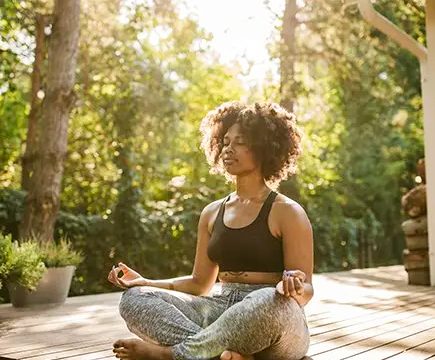
Exercise is often associated with high energy, intense sweat, and demanding routines, but indoor exercise can also be calm, gentle, and deeply strengthening.
Combining mindful movement with simple strength-focused activities provides benefits for both the body and mind, offering a balanced approach to wellness.
Indoor exercise allows you to move at your own pace, tailor routines to your needs, and enjoy the comfort and privacy of your home. By focusing on calm, controlled movements and gradual strength building, you can cultivate a sense of wellbeing, resilience, and confidence that supports everyday life.
One of the most accessible ways to begin indoor exercise is through stretching and mobility work. Gentle stretches for the shoulders, back, hips, and legs release tension, improve flexibility, and prepare the body for more active movements. Dynamic stretches, such as arm circles, leg swings, or torso rotations, increase circulation while enhancing range of motion. Performing these exercises slowly and mindfully encourages relaxation, reduces stiffness, and creates a strong foundation for strength work. Stretching not only supports physical readiness but also fosters a sense of calm and presence.
Mindful movement practices such as yoga or tai chi can enhance both strength and serenity. These disciplines combine controlled postures with deep breathing, promoting stability, balance, and mental clarity. Practicing yoga poses like downward-facing dog, chair pose, or bridge pose develops strength in the core, legs, and upper body while encouraging mindful awareness of posture and alignment. Tai chi, with its flowing sequences, engages the muscles gently and improves coordination while providing a calming, meditative experience. These mindful forms of indoor exercise demonstrate that strength can be developed without forceful or stressful movements.
Bodyweight exercises are excellent for building strength indoors while keeping routines simple and approachable. Movements such as squats, lunges, modified push-ups, and glute bridges target multiple muscle groups and improve functional strength. Performing exercises with controlled speed and focus emphasizes quality over quantity, ensuring that the body engages correctly and effectively. Gradual increases in repetitions or duration provide measurable progress without overwhelming the body, creating a sustainable path for strength development.
Core strengthening is particularly valuable in calm indoor exercise routines. A strong core supports posture, balance, and everyday functional movements, reducing the risk of discomfort or injury. Simple exercises like seated twists, gentle planks, and bridges engage the abdominals and lower back while remaining low-impact. Mindful attention to breath and alignment during these exercises enhances effectiveness and contributes to a sense of calm and control. Core work reinforces the connection between physical stability and mental focus, making indoor exercise a holistic practice.
Low-impact cardio can be included in a calm indoor routine without losing the sense of relaxation. Gentle marching in place, step touches, or slow dance movements elevate the heart rate slightly while remaining easy on the joints. Combining these movements with mindful breathing or rhythmic music makes cardio enjoyable and stress-relieving. Short intervals of low-impact cardio complement strength and flexibility work, providing energy, circulation, and a sense of vitality.
Incorporating household items can enhance indoor strength training in a gentle manner. Water bottles, small backpacks, or light weights can be used for bicep curls, overhead presses, or rows. Chairs or counters support tricep dips, step-ups, or stability exercises. These adaptations add variety and mild resistance while remaining accessible, demonstrating that strength can be developed without specialized equipment. Using items you already have also encourages creativity and engagement in your routine.
Progression in calm indoor exercise is subtle but meaningful. Gradually increasing repetitions, holding positions longer, or introducing slightly more challenging variations ensures continual improvement while maintaining a sense of ease. Progress can be observed through increased comfort in movements, improved balance, or greater endurance. Celebrating small achievements reinforces motivation and provides a sense of accomplishment without the need for intense or competitive workouts.
Short, structured sessions can be particularly effective for sustaining indoor exercise routines. Even ten to twenty minutes of calm strength and mobility work performed regularly has a significant impact on health and wellbeing. Short sessions are easy to fit into daily life, reduce mental barriers, and allow for consistent engagement. By focusing on quality and intention rather than duration or intensity, indoor exercise becomes approachable, rewarding, and manageable.
Mindfulness is central to enjoying calm indoor exercise. Paying attention to posture, controlled breathing, and muscle engagement enhances both the physical and mental benefits of each session. Mindful practice promotes relaxation, reduces stress, and fosters a stronger connection with the body. Incorporating moments of awareness into indoor workouts transforms them from a simple physical activity into a restorative and empowering routine.
Variety helps maintain interest and engagement in calm indoor exercise routines. Alternating between stretching, strength work, core exercises, and low-impact cardio ensures a balanced approach while preventing monotony. For instance, one session may focus on upper body and core strength, another on lower body stability and flexibility, and a third on gentle movement and relaxation. Variety keeps workouts engaging and ensures comprehensive fitness benefits.
Music or calming background sounds can enhance indoor exercise by creating a pleasant atmosphere and promoting rhythm. Instrumental music, nature sounds, or guided exercise tracks encourage focus and movement while supporting a sense of calm. Combining auditory stimulation with physical activity makes sessions more enjoyable and helps maintain consistency. Music or guided audio transforms indoor exercise into a more immersive and motivating experience.
Recovery and self-care are integral components of indoor exercise. Stretching after a session, hydrating adequately, and allowing time for rest help the body repair and adapt to movement. Attention to recovery prevents soreness, promotes comfort, and reinforces the idea that exercise is a nurturing practice rather than a task. By prioritizing self-care, indoor workouts remain sustainable, enjoyable, and supportive of overall wellbeing.
Goal-setting enhances motivation and provides structure for indoor exercise. Simple objectives, such as holding a pose longer, completing a certain number of repetitions, or maintaining daily consistency, offer direction and purpose. Recognizing and celebrating achievements fosters confidence and encourages continued practice. Goals, when approached with patience and mindfulness, create a sense of progress and accomplishment in calm indoor routines.
Social connection can add motivation and engagement, even when practicing indoor exercise alone. Following online classes, participating in virtual communities, or sharing experiences with friends and family provides encouragement, accountability, and inspiration. Feeling connected to others reinforces commitment and can make indoor exercise feel more interactive and enjoyable, enhancing both motivation and satisfaction.
In conclusion, calm and strength-focused indoor exercise provides a holistic approach to physical and mental wellbeing. Gentle stretching, mindful movement, light strength training, core exercises, and low-impact cardio create balanced routines that are accessible, flexible, and effective. Mindfulness, short sessions, progression, variety, music, recovery, and goal-setting enhance enjoyment and ensure long-term adherence. Using household items creatively and incorporating self-care into workouts fosters sustainability while making exercise practical and rewarding.
By embracing calm and strength-focused indoor exercise, you can cultivate a consistent practice that supports flexibility, stability, energy, and mental clarity. Movement becomes a source of relaxation, confidence, and empowerment, proving that indoor workouts can be both gentle and effective. With intention, patience, and dedication, calm indoor exercise offers a sustainable path to stronger, healthier, and more balanced living.