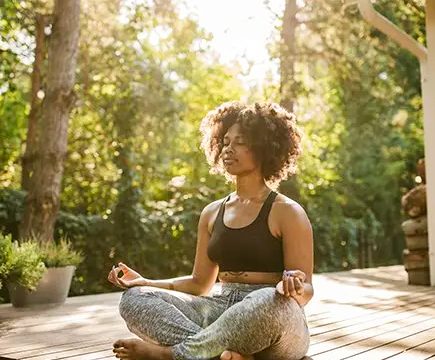
Incorporating regular movement into daily life does not require a gym or elaborate equipment.
Simple at-home movement practices provide a practical and enjoyable way to enhance physical health, improve mood, and boost energy.
These routines are designed to be accessible, adaptable, and easy to fit into everyday schedules, making consistent activity more achievable. By focusing on simple, intentional movements, individuals can develop habits that support overall wellness and create a sustainable fitness routine at home.
A fundamental aspect of home movement practices is creating a dedicated and comfortable space. Even a small corner of a room can serve as a functional workout area. Clearing space for stretching, standing exercises, or floor-based movements ensures safety and allows freedom of motion. Adding a mat or soft surface can increase comfort, especially for floor exercises, while proper lighting and ventilation make the environment more inviting. When the space feels welcoming, it encourages consistency and makes movement an enjoyable part of the day.
Starting with gentle, low-impact exercises is an effective way to build confidence and consistency. Activities like marching in place, gentle stretches, and slow arm circles warm up the muscles and increase blood flow. These movements are suitable for individuals of all fitness levels and provide a foundation for more structured practices. Incorporating short sessions throughout the day, even for a few minutes, helps establish the habit of regular activity and contributes to overall movement without causing fatigue.
Bodyweight exercises are a versatile and accessible component of home movement practices. Squats, lunges, push-ups, and planks engage multiple muscle groups and can be modified to meet individual needs. Beginners can start with shallow squats, wall push-ups, or knee-supported planks, while more experienced individuals can explore full-range variations or add repetitions for increased challenge. Bodyweight exercises strengthen the muscles, improve coordination, and support functional fitness, all without the need for equipment.
Cardiovascular movement is another important element of simple at-home practices. Low-impact options such as stepping side to side, light jogging in place, or gentle dance movements elevate the heart rate while reducing joint strain. For those seeking higher intensity, short bursts of faster-paced exercises, like jumping jacks or high knees, can be included selectively. Regular cardiovascular activity supports heart health, enhances stamina, and increases overall energy, complementing strength and flexibility work.
Flexibility and mobility exercises enhance comfort, prevent stiffness, and support overall function. Gentle stretching, yoga flows, or simple mobility drills improve range of motion and help prepare the body for more dynamic movements. Focusing on major muscle groups, including the shoulders, hips, back, and legs, can relieve tension and promote ease of movement throughout the day. Incorporating these exercises into a home routine not only improves physical comfort but also contributes to mental relaxation and clarity.
Balance exercises play a key role in functional fitness and injury prevention. Simple practices such as standing on one leg, shifting weight from side to side, or engaging the core during gentle movements improve stability and coordination. These exercises enhance posture, support daily activities, and increase confidence in movement. Including balance work in simple home routines ensures that the body remains agile and adaptable, complementing strength and flexibility efforts.
Micro-workouts are an effective strategy for maintaining regular movement. Short sessions of three to ten minutes, spread throughout the day, can add up to meaningful physical activity. Examples include a few squats while waiting for the kettle to boil, a brief plank session in the morning, or gentle stretches during work breaks. These short bursts of movement are easy to integrate into daily life, reduce barriers to exercise, and help establish a consistent rhythm of activity.
Circuit-style routines offer structure and variety within simple at-home movement practices. Combining strength exercises, light cardio, and stretches in a sequence provides a comprehensive full-body session. For example, a circuit could include squats, lunges, planks, stepping in place, and gentle stretches, repeated a few times. Circuits are adaptable to different fitness levels and allow participants to control intensity, ensuring that workouts remain effective while maintaining comfort and enjoyment.
Mindful movement enhances both physical and mental benefits. Paying attention to posture, breathing, and muscle engagement encourages proper form and reduces the risk of strain or discomfort. Mindfulness transforms routine exercises into intentional practice, promoting relaxation and mental clarity. By focusing on how the body feels during movement, individuals can develop a deeper awareness of their physical capabilities and enjoy the process of staying active at home.
Technology can support simple home movement practices by providing guidance and inspiration. Online videos, mobile apps, and virtual classes offer exercises suited to all levels, including low-impact cardio, bodyweight strength, and stretching routines. These resources can introduce new exercises, provide structured sequences, and help track progress, making it easier to maintain motivation. Virtual options also allow participants to follow instruction while adjusting the intensity to their comfort, supporting safe and enjoyable movement.
Social engagement can enhance consistency and enjoyment in at-home practices. Inviting family members or roommates to join sessions or participating in online group classes provides encouragement and accountability. Sharing progress and celebrating achievements with others fosters motivation and makes movement feel more rewarding. Social interaction adds a layer of connection and support, transforming exercise into a shared experience rather than a solitary task.
Recovery is a critical component of sustainable home movement practices. Allowing time for rest, gentle stretching, and hydration ensures that the body recovers and reduces the risk of discomfort. Recovery days or lighter sessions maintain activity without causing fatigue, supporting long-term adherence to a consistent routine. Incorporating relaxation techniques, such as deep breathing or slow mobility drills, can further enhance comfort and mental well-being.
Tracking progress reinforces motivation and helps individuals recognize improvement over time. Noting completed exercises, duration, or perceived effort provides tangible feedback and highlights achievements. Observing positive changes in strength, flexibility, balance, or energy levels encourages continued participation and builds confidence. Celebrating incremental successes ensures that simple at-home movement practices remain rewarding and sustainable.
Creativity is essential for keeping routines engaging. Varying exercises, exploring new movements, or adding playful elements like dancing or gentle cardio games prevents monotony. Creative routines maintain interest, encourage experimentation, and allow participants to personalize their practice. Enjoyable sessions make it easier to maintain consistency and establish a lasting habit of daily movement.
The ultimate goal of simple at-home movement practices is to increase activity in a way that is accessible, enjoyable, and sustainable. Combining strength, cardiovascular work, flexibility, balance, mindfulness, and recovery provides a holistic approach to physical health and mental well-being. Short sessions, micro-workouts, circuits, and creative variations allow for adaptability and ensure that routines fit seamlessly into daily life.
By embracing simple movement practices at home, individuals can improve physical strength, mobility, balance, and overall wellness without feeling overwhelmed. Thoughtful planning, consistency, and attention to comfort help establish habits that support long-term health. With accessible exercises, mindful practice, and enjoyable routines, moving at home becomes a positive and sustainable part of everyday life, creating lasting benefits for body and mind.