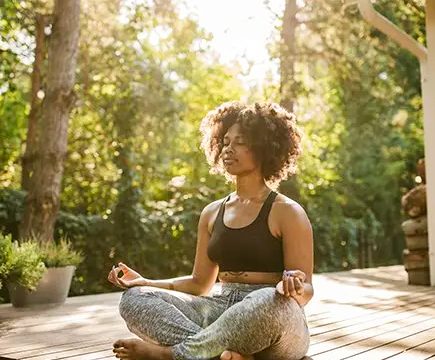
In the hustle and bustle of modern life, finding peace can sometimes feel like an impossible task.
The constant pressures from work, family, and social obligations can overwhelm us, leaving little space for relaxation or introspection.
However, there is a way to bring tranquility and mindfulness back into your daily routine — peaceful yoga. This practice is more than just physical exercise; it’s an invitation to connect deeply with yourself, calm the mind, and foster emotional balance.
Peaceful yoga is designed to create an experience of serenity and inner peace through mindful movement, controlled breathing, and intentional relaxation. Unlike intense forms of yoga that focus on achieving challenging poses or physical feats, peaceful yoga encourages slowing down, listening to your body, and embracing each moment with calm awareness. This practice is accessible to people of all ages and skill levels, making it an excellent tool for those looking to find stillness in their lives.
At its core, peaceful yoga emphasizes gentleness, relaxation, and mindfulness. It is a style of yoga that focuses on deep, restorative stretches, slow movements, and conscious breathing. This practice is often referred to as “restorative” or “gentle” yoga, as it creates a space for participants to unwind, release tension, and cultivate peace.
In peaceful yoga, the emphasis is not on achieving perfection or pushing your physical limits, but on reconnecting with your body and mind. The goal is to create harmony between physical movement and mental clarity. You may find that, rather than rushing from one pose to the next, peaceful yoga invites you to stay in a position a little longer, allowing yourself to breathe and relax into it. This slowness helps to lower the heart rate, calm the nervous system, and promote deep relaxation.
Mindfulness is at the heart of peaceful yoga. It allows us to quiet the constant chatter in our minds and focus on the sensations in our bodies, creating a space for relaxation and clarity. In peaceful yoga, mindfulness is woven into every movement, every breath, and every moment of stillness.
When we practice mindfulness through yoga, we learn to tune into our bodies with compassion and awareness. Instead of forcing ourselves into poses or comparing our practice to others, we observe how each movement feels, how our breath changes, and where we hold tension. This awareness allows us to make adjustments as needed, whether it’s softening into a stretch or simply taking a few more breaths before moving to the next position.
By practicing mindfulness in yoga, we can create a sanctuary of peace within ourselves. It becomes easier to let go of external stressors, such as work pressures or personal concerns, and focus on the present moment. This ability to be present is not only beneficial on the mat but also in daily life, allowing us to respond to challenges with more patience and clarity.
While the primary focus of peaceful yoga is mental and emotional well-being, it also offers several physical benefits. The gentle stretches and mindful movements can help improve flexibility, release muscle tension, and increase circulation. By taking the time to listen to your body, you become more aware of areas where you may hold stress or discomfort, giving you the opportunity to release those areas through conscious breathing and movement.
One of the most significant physical benefits of peaceful yoga is stress relief. When we experience stress, our bodies respond by tightening muscles, raising our heart rates, and increasing our blood pressure. Peaceful yoga helps activate the body’s relaxation response, calming the nervous system and reducing these physical symptoms of stress. The slow and controlled movements in peaceful yoga allow the body to unwind, which in turn helps the mind relax.
Peaceful yoga also encourages deep breathing, which has its own set of health benefits. By engaging in slow, deep breathing exercises, practitioners can increase oxygen intake, improve lung function, and promote a sense of calm. Controlled breathing helps to balance the autonomic nervous system, reducing the production of stress hormones and promoting relaxation.
The mental and emotional benefits of peaceful yoga are perhaps the most profound. In today’s world, many people experience mental health challenges such as anxiety, depression, and burnout. Peaceful yoga provides a gentle way to alleviate these symptoms, offering a pathway to emotional balance and clarity.
Through the practice of mindfulness, peaceful yoga helps reduce anxiety by encouraging individuals to focus on the present moment rather than worrying about the future or ruminating on the past. The slow, deliberate movements create a sense of grounding, which can be especially beneficial for those who experience racing thoughts or overwhelming emotions.
Moreover, the breathwork practiced in peaceful yoga helps calm the mind and reduce mental chatter. By focusing on the rhythm of the breath, practitioners can cultivate a sense of inner peace, which can last long after the practice ends. Yoga has also been shown to increase the production of serotonin, the “feel-good” hormone, which can improve mood and overall emotional well-being.
Another emotional benefit of peaceful yoga is the ability to release pent-up emotions. As we move through gentle poses and stretch into various positions, we may encounter emotional blockages that have been stored in the body. Yoga offers a safe space to acknowledge and release these emotions, fostering emotional healing and resilience.
One of the most beautiful aspects of peaceful yoga is its accessibility. Unlike more intense forms of yoga that may require special equipment or an experienced instructor, peaceful yoga can be practiced at home with minimal setup. All you need is a quiet space, a comfortable mat, and a willingness to slow down and listen to your body.
To begin, find a calm, quiet area where you won’t be interrupted. It’s important to create a space that feels peaceful and inviting, whether it’s in your living room, bedroom, or even a cozy corner of your home. Wear comfortable clothing that allows you to move freely and place a yoga mat or blanket on the floor.
Start by taking a few moments to center yourself. Close your eyes, focus on your breath, and set an intention for your practice. The intention could be something simple, like bringing peace to your mind or releasing tension from your body. As you move through each pose, focus on your breath, allowing it to guide your movements. Don’t worry about achieving perfect form; simply listen to your body and adjust as needed.
Some gentle poses to begin with include child’s pose, seated forward fold, and gentle twists. These positions promote relaxation and flexibility while helping to ground the body. Take time to rest in each pose, breathing deeply and allowing your muscles to relax.
Incorporating peaceful yoga into your daily routine can have a transformative effect on your physical, mental, and emotional well-being. By practicing mindfulness through movement and breath, you create a space for calm, relaxation, and self-care in your life. Whether you practice for a few minutes each day or longer sessions a few times a week, peaceful yoga can help you navigate life’s challenges with a sense of balance and clarity.
In a world that often demands more of us than we can give, peaceful yoga offers a gentle invitation to slow down, reconnect, and cultivate peace within. It is a practice that nourishes the body, mind, and spirit, allowing you to experience the joy and tranquility of living in the present moment. By embracing peaceful yoga, you choose a path of mindfulness, balance, and inner peace that will serve you in all areas of your life.