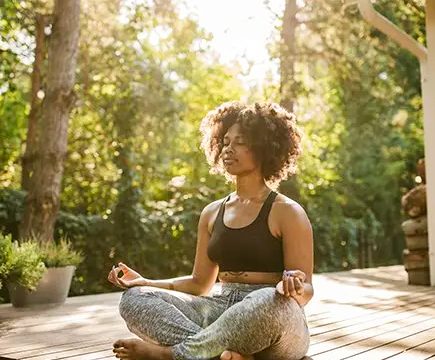
In the world of fitness, balance is key.
Achieving a harmonious blend of strength and flexibility not only improves your overall fitness but also enhances your ability to move with ease and grace in daily life.
Pilates, a method that focuses on controlled movements, body awareness, and mind-body connection, is one of the best ways to develop this balance. Through Pilates, you can build strength while simultaneously increasing your flexibility, ensuring that your body remains both strong and supple.
Pilates was developed by Joseph Pilates in the early 20th century. His method focuses on exercises that target both the large muscle groups and the smaller stabilizing muscles. Unlike traditional strength training that often isolates muscles, Pilates works to engage the entire body in every exercise, leading to a more functional and balanced form of strength. At the same time, Pilates encourages lengthening and stretching of the muscles, which enhances flexibility and mobility.
One of the unique aspects of Pilates is its focus on controlled, precise movements. Each exercise is designed to be performed with a deliberate, mindful approach. Instead of rushing through exercises or simply going through the motions, Pilates encourages participants to be aware of every movement, paying close attention to alignment, breath, and muscle engagement. This attention to detail leads to more effective exercises that build balanced strength and increase flexibility over time.
In Pilates, strength is not just about lifting heavy weights or performing countless repetitions. It’s about developing functional strength that supports the body’s natural movement patterns. Pilates exercises require the engagement of the core, the muscles that surround the spine, and the stabilizing muscles that support joints. By building strength in these areas, Pilates helps create a stable foundation for movement. A strong core, for instance, is crucial for maintaining proper posture and alignment, which in turn prevents strain and injury during physical activity.
Equally important to strength, Pilates focuses on flexibility. Many traditional strength training exercises can lead to tight muscles, particularly in the hips, hamstrings, and back. Pilates, however, incorporates stretches and lengthening movements that help maintain or even increase flexibility. For example, exercises like the Spine Stretch and the Saw lengthen the spine and stretch the hamstrings, improving flexibility in both the back and legs. In turn, better flexibility enhances your range of motion, making daily tasks like bending, reaching, or walking more fluid and effortless.
Flexibility also plays a key role in injury prevention. Tight muscles are more prone to strain, especially during sudden movements or high-impact activities. By consistently practicing Pilates, you can keep your muscles elongated and flexible, reducing the risk of muscle pulls and joint injuries. Moreover, Pilates’ focus on alignment and posture helps keep the body in a balanced position, reducing stress on the joints and preventing overuse injuries.
A hallmark of Pilates is its ability to balance strength with flexibility, making it a full-body workout. While traditional strength training often focuses primarily on building muscle mass, Pilates encourages balanced muscle development across the entire body. This means that, in addition to strengthening the large muscle groups, Pilates helps activate the smaller stabilizing muscles that are often neglected in other forms of exercise. This balanced approach results in a body that is both strong and flexible, with improved coordination and posture.
In Pilates, the focus on the core is central to building both strength and flexibility. The core muscles, which include the abdominals, back muscles, and pelvic floor, serve as the foundation for nearly every movement. A strong core not only enhances strength but also improves posture and alignment, which are essential for maintaining balance and flexibility throughout the body. In exercises like the Plank and the Roll-Up, the core is engaged to stabilize the body, creating a foundation of strength from which the limbs can move freely and fluidly. A well-developed core also helps protect the spine, reducing the risk of back pain and injury.
Another important aspect of Pilates is the emphasis on breathing. Pilates encourages deep, mindful breathing that supports each movement and helps maintain proper posture. The breath acts as a tool to engage the muscles and increase the effectiveness of each exercise. For instance, inhaling deeply during the preparation phase of an exercise and exhaling during the movement phase can help activate the core and deepen the stretch. This conscious breathing also helps relax the body, reduce tension, and promote a sense of calm, all of which contribute to a balanced and harmonious workout experience.
Pilates exercises can be performed using a variety of tools, such as a mat, Reformer, or small props like resistance bands or Pilates rings. The Reformer, in particular, is a popular piece of equipment that provides resistance and support during exercises. The springs on the Reformer can be adjusted to increase or decrease resistance, allowing for a customized workout that suits individual strength and flexibility levels. By varying the resistance, the Reformer helps build strength while also providing a greater range of motion, which enhances flexibility.
Whether performed on the mat or with equipment, Pilates exercises are designed to flow seamlessly from one movement to the next. This fluidity helps the body maintain its balance and coordination while also promoting muscle lengthening and joint mobility. In many Pilates exercises, the goal is not just to strengthen or stretch individual muscles, but to create a fluid, balanced movement pattern that engages multiple muscle groups at once. For example, exercises like the Pilates Saw involve both a twisting motion and a forward bend, stretching the spine and hamstrings while simultaneously engaging the core and back muscles.
Incorporating Pilates into your fitness routine can have a profound impact on your overall strength and flexibility. Pilates encourages an even development of muscle strength throughout the body, preventing the imbalance that can occur from over-training specific muscle groups. By promoting flexibility alongside strength, Pilates helps keep the muscles elongated and the joints mobile, ensuring that the body remains agile and resilient.
Pilates is also a great way to complement other forms of exercise. Whether you’re a runner, cyclist, or weightlifter, Pilates can enhance your performance by improving flexibility, balance, and core strength. For example, runners can benefit from Pilates exercises that strengthen the hip flexors and improve ankle mobility, leading to more efficient running mechanics. Similarly, cyclists can use Pilates to enhance posture and strengthen the muscles that support the lower back, which helps reduce the risk of injury.
For beginners, Pilates may seem like a gentle form of exercise, but it can be incredibly effective in building both strength and flexibility. Pilates exercises can be modified to suit all fitness levels, and as strength and flexibility improve, the exercises can be progressed to offer more challenge and intensity. With consistency, Pilates helps create a balanced, well-rounded fitness foundation that supports both strength and flexibility, leaving you feeling stronger, more agile, and less prone to injury.
In conclusion, Pilates offers a unique and highly effective way to develop balanced strength and flexibility throughout the body. With its focus on controlled movements, core strength, alignment, and flexibility, Pilates creates a workout that not only builds strength but also promotes mobility and body awareness. Whether you’re looking to improve your performance in other activities, prevent injury, or simply achieve a more balanced and flexible body, Pilates provides a comprehensive approach to fitness that supports long-term health and well-being. By practicing Pilates regularly, you can develop the strength, flexibility, and coordination necessary for optimal movement and overall fitness.