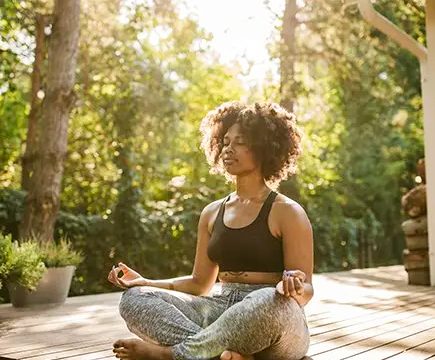
In the world of fitness, it can be easy to get caught up in the hustle of high-intensity workouts, aiming to see immediate results and pushing your body to its limits.
While intensity has its place, there’s something incredibly beneficial about taking a more mindful and steady approach to fitness.
This is where Pilates comes in. Pilates is a unique method of exercise that encourages steady body engagement through controlled movements, breathing techniques, and focused attention. Instead of rushing through exercises or focusing solely on building muscle, Pilates aims to develop body awareness, improve posture, and enhance movement quality in a way that feels both challenging and restorative.
Pilates, founded by Joseph Pilates in the early 20th century, is based on a series of low-impact exercises designed to strengthen and lengthen muscles while improving flexibility and coordination. One of the core principles of Pilates is the focus on engaging the muscles with control and intention. This steady body engagement helps create a solid foundation for overall fitness and can be transformative for anyone seeking to move more mindfully and with greater ease.
When you engage in Pilates, each movement is purposeful and deliberate. There is no rushing through exercises or sacrificing form for speed. Instead, the emphasis is placed on how the body moves, not just how much effort is exerted. This mindful approach helps you connect more deeply with your body and its capabilities, promoting a sense of body awareness that can extend beyond the mat and into your daily life.
A key component of Pilates is its focus on core strength. The “core” in Pilates refers to the muscles of the abdomen, lower back, and pelvis—essentially the muscles that support your spine and pelvis during any movement. Pilates exercises, like the Plank, Criss-Cross, and Roll-Up, specifically target these areas, encouraging steady engagement of the core muscles. Engaging the core not only improves stability but also helps prevent injury by ensuring that the spine is properly supported. A strong core enhances the way the body moves by providing a solid foundation for all types of physical activity, from walking to lifting to bending.
What makes Pilates unique is the way it emphasizes quality over quantity. While other forms of exercise might focus on performing a high number of repetitions or working the muscles to fatigue, Pilates encourages controlled movements that focus on proper form and alignment. By maintaining steady engagement throughout each movement, you are able to maximize the benefits of the exercise while avoiding unnecessary strain on the body. This attention to detail helps prevent injuries that can often result from overexertion or poor posture.
Pilates also encourages steady body engagement through its use of breath. Breath plays a central role in Pilates practice, as it helps coordinate movement and promotes relaxation. The breathing pattern in Pilates is typically an inhale through the nose to prepare for a movement and an exhale through the mouth to execute the movement. The breath should be deep, full, and conscious, helping to activate the muscles and create a sense of flow within the body. Focusing on breath can also help calm the mind, reduce stress, and bring a sense of clarity to your movements. By coordinating breath with movement, Pilates practitioners learn how to create a steady rhythm in their bodies, enhancing both physical and mental engagement during their workout.
Another key principle of Pilates is the concept of precision. Every Pilates exercise is designed with a specific purpose in mind, and attention to detail is paramount. By focusing on precision, you encourage the body to move in the most efficient and effective way possible. This can be particularly beneficial for those who are recovering from an injury or seeking to improve their posture and alignment. The precision inherent in Pilates exercises ensures that each muscle is engaged at the right time, with the correct intensity, and in the right position. This controlled movement pattern helps create balanced muscle development and optimal joint alignment, which is crucial for preventing imbalances that could lead to injury.
The steady body engagement promoted in Pilates also supports overall flexibility. Flexibility is not just about stretching the muscles; it’s about teaching the muscles to lengthen and contract properly during movement. Many Pilates exercises, such as The Saw and Spinal Roll-Up, involve controlled stretching movements that target multiple muscle groups simultaneously. These exercises improve flexibility by gently elongating the muscles and enhancing the range of motion in the joints. Increased flexibility reduces muscle stiffness, promotes better posture, and supports functional movement in daily activities.
Pilates encourages engagement of the entire body, with each exercise aiming to work multiple muscle groups at once. For example, a Squat in Pilates requires the engagement of the legs, core, and back muscles, ensuring that no part of the body is neglected. This full-body engagement promotes balance and harmony throughout the body, as each movement is supported by a combination of muscles working together in unison. This holistic approach to exercise helps to create balanced strength and flexibility, allowing for a more fluid and coordinated movement pattern overall.
One of the unique aspects of Pilates is its versatility. It can be practiced on a mat, using bodyweight for resistance, or with specialized equipment like the Reformer, Cadillac, and Wunda Chair, which add resistance and provide further challenges for the body. Regardless of the equipment used, the core principle of steady body engagement remains consistent. The exercises are designed to be low-impact, making them accessible for people of all ages and fitness levels, including those recovering from injuries or dealing with chronic pain. Pilates can also be modified to accommodate individual needs, allowing practitioners to adjust the intensity of the exercises while maintaining the focus on body engagement and proper alignment.
One of the key benefits of Pilates is its ability to improve posture and alignment. Many modern lifestyles involve long periods of sitting, which can lead to poor posture and muscle imbalances. Pilates exercises specifically target the muscles responsible for supporting the spine and promoting proper posture, such as the deep abdominal muscles, back extensors, and glutes. By engaging these muscles during Pilates practice, you help to realign the body and restore natural posture. Improved posture not only enhances your appearance but also reduces the risk of back pain, neck tension, and other musculoskeletal issues.
Pilates also promotes steady body engagement by encouraging relaxation and mindful movement. Unlike high-intensity workouts that may leave you feeling exhausted or drained, Pilates creates a calming effect on the body and mind. The controlled movements and breathwork help activate the parasympathetic nervous system, promoting relaxation and reducing stress. This can have a lasting impact on your overall well-being, as it helps to lower cortisol levels (the stress hormone) and improve your mental focus. Pilates is not just a workout for the body; it’s a practice for the mind as well, offering a balanced approach to fitness that nurtures both physical and mental health.
Incorporating Pilates into your fitness routine can provide a refreshing and rewarding change of pace. By focusing on steady body engagement, precision, and breath, Pilates helps you cultivate strength, flexibility, and body awareness in a way that enhances overall movement patterns and reduces the risk of injury. Whether you’re new to Pilates or have been practicing for years, its focus on controlled, mindful movement can help you move more efficiently, feel more balanced, and achieve a deeper sense of connection with your body. Pilates teaches that fitness is not about rushing or pushing yourself to the limit but about moving with intention, awareness, and respect for your body’s capabilities.