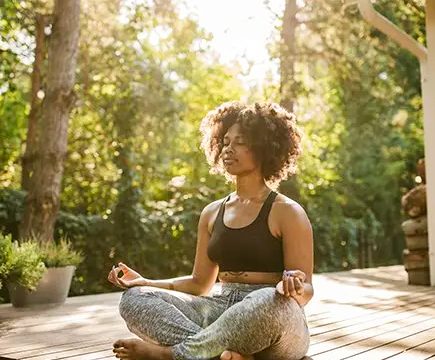
In today’s fast-paced world, maintaining a balanced and healthy lifestyle can feel like an uphill battle.
Many people struggle with the demands of work, family, and personal life, often sacrificing their health in the process.
This constant juggling act can leave individuals feeling stressed, physically drained, and mentally overwhelmed. However, there’s one practice that stands out for its ability to help restore balance to both the body and mind: Pilates.
Pilates is a low-impact exercise system that focuses on building strength, flexibility, and body awareness. While it is often associated with improving posture and core strength, Pilates also offers a wide range of benefits that can encourage a healthier daily rhythm. Whether you’re looking to improve your energy levels, reduce stress, or simply create more mindful routines in your day, Pilates provides a holistic approach to better health and well-being.
The Connection Between Pilates and a Healthier Routine
One of the key reasons Pilates can help encourage a healthier daily rhythm is its emphasis on mindful movement. Unlike other forms of exercise that might prioritize speed or intensity, Pilates encourages slow, controlled movements that focus on precision and alignment. This approach not only strengthens the body but also helps to cultivate a deeper connection between the mind and body. As a result, Pilates fosters mindfulness, which can spill over into other areas of life, encouraging a more balanced and intentional daily rhythm.
Pilates exercises require individuals to focus on their breath, body alignment, and the engagement of specific muscle groups. This mindfulness aspect helps to reduce distractions and stress, allowing individuals to better manage their thoughts and emotions throughout the day. When practiced regularly, Pilates can help people build the resilience needed to navigate life’s challenges with more patience and clarity.
Pilates for Better Posture and Less Fatigue
Many people struggle with poor posture, especially those who spend long hours sitting at a desk or working on a computer. Over time, poor posture can lead to muscle imbalances, back pain, and a sense of fatigue. Pilates can be a game-changer when it comes to improving posture and reducing the physical strain caused by long hours of sitting or standing.
The exercises in Pilates focus on strengthening the muscles that support the spine, such as the core, back, and pelvic floor muscles. Strengthening these muscle groups helps maintain a more upright, natural posture throughout the day, which can alleviate discomfort in the back, shoulders, and neck. As a result, individuals who practice Pilates regularly often experience less fatigue and are able to perform daily activities with more ease and comfort.
Additionally, Pilates helps improve body awareness, which means individuals become more mindful of how they move throughout the day. This increased awareness can encourage better posture even when you’re not actively practicing Pilates. Whether you’re sitting at your desk, walking, or lifting something heavy, Pilates helps you understand the importance of body alignment and teaches you how to move in a way that supports your spine and joints.
Stress Relief Through Pilates
Another key benefit of Pilates is its ability to reduce stress and anxiety. In a world where many people feel constantly on edge, it’s easy for tension to accumulate in the body. Stress can manifest physically in various ways, including tight muscles, shallow breathing, and even digestive discomfort. Pilates, with its focus on deep breathing and relaxation, offers a natural antidote to stress.
During a Pilates session, you’re encouraged to breathe deeply, activating the diaphragm and engaging the parasympathetic nervous system. This deep, controlled breathing helps to activate the relaxation response, reducing the physical and mental effects of stress. Furthermore, the slow, deliberate movements of Pilates help to release tension in the muscles, providing a sense of calm and relaxation that can carry over into your daily routine.
By incorporating Pilates into your regular routine, you can build the habit of taking time for yourself to focus on breathing, movement, and mindfulness. This not only helps to alleviate stress in the moment but also fosters a sense of balance that can reduce the long-term effects of chronic stress.
Improved Flexibility and Mobility for Daily Activities
Another important aspect of Pilates is its ability to improve flexibility and mobility. Many people experience stiffness or discomfort in their joints, especially as they age or if they lead a sedentary lifestyle. Pilates exercises promote flexibility by gently stretching and lengthening the muscles, allowing for greater range of motion and reduced muscle tightness.
Incorporating Pilates into your daily rhythm can help improve joint mobility, making it easier to move freely and comfortably throughout the day. Whether you’re reaching for something on a high shelf, bending down to tie your shoes, or simply walking, Pilates helps to maintain the flexibility needed for these everyday movements. As a result, you may notice a reduction in stiffness and an increased ability to perform daily tasks with greater ease and less discomfort.
Creating Consistency in Your Routine
One of the most important aspects of adopting Pilates as part of a healthier daily rhythm is consistency. Like any exercise, the benefits of Pilates are best realized when practiced regularly. While even a short 15 to 30-minute session a few times a week can make a noticeable difference, the more consistently you practice, the more you will experience improvements in your body and mind.
To create a sustainable Pilates routine, start by setting aside a specific time each day or several times a week for your practice. Whether it’s early in the morning, during lunch, or in the evening, having a set time to practice Pilates can help you develop the habit and ensure that it becomes a regular part of your day. The structure that Pilates provides can also help to create a sense of discipline and routine, which can encourage a healthier daily rhythm overall.
If you’re new to Pilates, consider starting with beginner exercises or attending a class to learn the basics. Working with an instructor can provide personalized guidance and ensure that you’re performing the exercises correctly. As you progress, you can challenge yourself with more advanced moves or incorporate Pilates equipment such as reformers or resistance bands for variety.
Pilates for Mental Clarity and Focus
In addition to its physical benefits, Pilates also provides a mental boost. The focus required to perform each movement with precision helps sharpen the mind, improve concentration, and increase mental clarity. As you work through a Pilates session, you become more attuned to your body’s movements, fostering a sense of calm and focus that can translate into other areas of your life.
When you practice Pilates regularly, you may notice an improvement in your ability to focus on tasks at work, feel more present in conversations, and have a clearer sense of direction in your daily life. The mental discipline developed through Pilates encourages a more mindful approach to the demands of life, helping you stay centered and balanced throughout the day.
Conclusion
Pilates offers a unique and effective way to encourage a healthier daily rhythm. Through its emphasis on mindful movement, deep breathing, and body awareness, Pilates helps to improve posture, reduce stress, increase flexibility, and build strength. By incorporating Pilates into your regular routine, you can create a sense of balance and well-being that extends beyond the mat and positively impacts your daily life. Whether you’re looking to reduce fatigue, manage stress, or improve your physical health, Pilates offers a holistic approach to better living, one movement at a time.