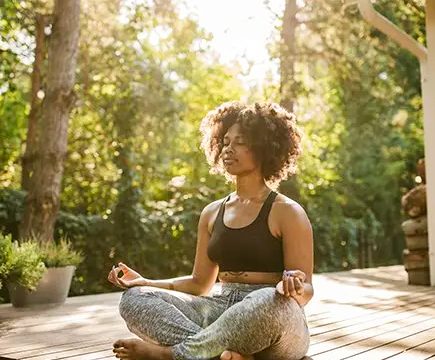
Pilates is a gentle yet effective way to strengthen the body while promoting flexibility, balance, and overall well-being.
It’s an ideal practice for those seeking a low-pressure approach to fitness, allowing individuals to build strength at their own pace without the risk of overexertion or injury.
Unlike high-impact workouts that often push the body to its limits, Pilates emphasizes controlled movements, mindful breathing, and body awareness, creating a supportive environment for people of all fitness levels. Whether you’re new to exercise or looking for a way to complement your existing routine, Pilates offers a path to greater strength that doesn’t involve the pressure often associated with intense workouts.
At its core, Pilates focuses on developing a strong foundation, beginning with the core muscles—the abdominals, lower back, and pelvic floor. These muscles serve as the body’s center of stability, supporting all movements and maintaining proper posture. By strengthening the core, Pilates improves balance, coordination, and overall body alignment. The practice encourages a deeper connection with the body, teaching individuals to move with intention and precision. Unlike traditional strength training exercises that may require heavy weights or intense repetitions, Pilates works with the body’s natural range of motion, focusing on controlled, low-impact movements that prevent unnecessary strain.
One of the defining features of Pilates is its emphasis on mind-body connection. Rather than simply going through the motions of exercise, Pilates encourages practitioners to focus on how their body feels during each movement. This mindfulness helps to prevent overexertion, allowing individuals to listen to their bodies and adjust their efforts accordingly. Pilates promotes the idea that fitness doesn’t have to be about pushing oneself to the limit. Instead, it’s about cultivating strength, flexibility, and control in a way that feels good and sustainable.
The beauty of Pilates lies in its adaptability. Whether you’re a beginner or an experienced athlete, Pilates can be customized to suit your individual needs and goals. For beginners, exercises can be modified to accommodate limited flexibility or strength, gradually building up the body’s capabilities over time. For more advanced practitioners, Pilates offers a variety of more challenging movements and equipment, such as the reformer, which provides additional resistance to further enhance strength and endurance. Regardless of where you start, Pilates allows you to progress at a pace that feels comfortable and empowering, eliminating the pressure to perform at a certain level or compete with others.
One of the most important principles in Pilates is controlled breathing. Breathing plays a crucial role in providing oxygen to the muscles and supporting movement, allowing for greater focus and relaxation during exercise. Pilates encourages deep, diaphragmatic breathing, which not only helps with muscle function but also promotes a sense of calm and mental clarity. This mindful approach to breathing creates a relaxing atmosphere that complements the physical benefits of the practice, making Pilates an excellent choice for reducing stress and anxiety. It’s a form of exercise that nurtures both the body and the mind, helping to create a balanced sense of wellness without the added pressure of demanding physical exertion.
Pilates also places a strong emphasis on alignment and posture. Many people spend hours each day sitting at desks or looking down at screens, which can lead to poor posture and muscle imbalances. Pilates targets these issues by focusing on exercises that promote proper alignment, helping to correct posture and prevent discomfort. The practice encourages individuals to develop awareness of how they stand, sit, and move throughout the day, cultivating habits that support spinal health and overall mobility. The low-impact nature of Pilates means that it’s gentle on the joints, reducing the risk of strain or injury that can occur from repetitive or high-impact movements.
Unlike high-intensity workouts that can sometimes feel overwhelming or competitive, Pilates creates a non-judgmental environment where the focus is solely on personal growth. It’s a practice that encourages self-compassion and patience, allowing individuals to embrace their current abilities while setting realistic goals for improvement. As you progress through Pilates, you may notice improvements in strength, flexibility, and muscle tone, but the emphasis is always on quality of movement, not quantity. This shift in focus helps to take the pressure off, allowing you to enjoy the journey of building strength without the need to achieve perfection or push through pain.
The impact of Pilates extends beyond the mat, influencing how you move throughout daily life. By strengthening the core and promoting better posture, Pilates enhances functional movement, making everyday activities feel easier and more efficient. Whether you’re carrying groceries, picking up a child, or simply walking, Pilates helps to improve the way your body moves, reducing the risk of injury and discomfort. The strengthening benefits of Pilates support the body’s natural movement patterns, creating a more fluid and comfortable experience in all aspects of life. The practice also helps to improve balance and coordination, which are essential for maintaining mobility as we age.
Many people find that Pilates not only strengthens their body but also enhances their mental and emotional well-being. The focus on breathing, mindfulness, and body awareness creates a sense of relaxation and clarity that extends far beyond the workout itself. By incorporating Pilates into your routine, you create a space for self-care and reflection, allowing you to feel more centered and balanced in all areas of life. The mental benefits of Pilates are just as important as the physical ones, helping to reduce stress, improve focus, and increase overall feelings of well-being.
Another key benefit of Pilates is its ability to support joint health. As we age or engage in other forms of exercise, joint health can sometimes take a back seat. Pilates promotes joint mobility by incorporating gentle, controlled movements that enhance range of motion and flexibility. Unlike high-impact activities that can put strain on the joints, Pilates allows for fluid motion that supports joint health without putting undue stress on the body. For individuals with joint pain or mobility issues, Pilates offers a safe and effective way to strengthen the muscles surrounding the joints, providing greater stability and support.
Pilates also fosters a sense of community and support. Many people choose to practice Pilates in a group setting, whether in a studio or a virtual class. The group dynamic creates a sense of camaraderie, as participants work together to improve their strength and mobility. Pilates instructors often provide personalized guidance, helping participants modify exercises and progress at their own pace. This supportive environment encourages individuals to push themselves in a way that feels empowering and encouraging, rather than intimidating or overwhelming. Whether you’re attending a class or practicing solo, Pilates creates a positive and nurturing space for personal growth.
In conclusion, Pilates is an ideal practice for strengthening the body without pressure. It emphasizes mindful movement, controlled breathing, and proper alignment, offering a low-impact approach to fitness that promotes strength, flexibility, and overall well-being. Pilates is adaptable to all fitness levels, allowing individuals to progress at their own pace without the risk of overexertion or injury. The practice encourages a deeper connection with the body, fostering a sense of self-compassion, patience, and mindfulness. Whether you’re new to exercise or looking for a gentle way to enhance your fitness routine, Pilates provides a supportive, pressure-free path to a stronger, healthier body. By incorporating Pilates into your life, you can cultivate lasting strength and well-being that nurtures both your body and mind.