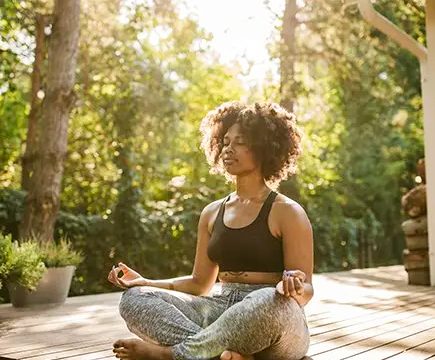
A yoga flow for strength and serenity offers a balanced approach to movement that nurtures both the body and the mind.
Many people think of yoga primarily as a way to relax, while others see it as a form of physical exercise.
A well-designed flow gently brings these two perspectives together, allowing strength to develop alongside a calm, steady sense of inner peace. Through mindful transitions, controlled breathing, and intentional focus, yoga flow becomes a practice that supports overall well-being without pressure or extremes.
The idea of flow in yoga refers to a smooth sequence of postures that move together with the breath. Rather than holding one position for a long time, the body transitions gradually from one shape to the next. This continuous movement helps build strength in a natural way, as muscles engage repeatedly while remaining flexible. At the same time, the rhythmic quality of a flow encourages mental clarity and relaxation, making it easier to stay present and centered.
Strength in yoga flow is developed through steady, controlled engagement rather than force. Poses that involve supporting body weight, such as gentle standing sequences or balanced transitions, help activate major muscle groups. Over time, this consistent activation can support stronger legs, a more stable core, and improved posture. Because the movements are intentional and paced, the body learns to work efficiently, reducing unnecessary tension and strain.
One of the key elements that brings serenity into a yoga flow is the breath. Breathing is not treated as something separate from movement but as a guide that sets the rhythm of the practice. Inhaling often accompanies opening or lifting motions, while exhaling supports grounding and stability. This connection between breath and motion creates a soothing pattern that can calm the nervous system. Even when the body is working, the mind is encouraged to remain steady and relaxed.
Yoga flow also supports mental strength by cultivating focus and awareness. As attention moves from one posture to the next, there is less room for distraction. The mind becomes engaged with the sensations of movement, balance, and breath. This focused attention can feel refreshing, offering a break from the constant stream of thoughts that often fills daily life. Over time, this mental discipline can translate into greater clarity and resilience off the mat.
A sense of serenity often arises from the way yoga flow encourages acceptance rather than judgment. Each practice can feel different depending on energy levels, mood, or physical condition. Yoga flow invites practitioners to notice these variations without frustration. By adapting movements and honoring personal limits, the practice becomes more compassionate. This gentle mindset supports emotional balance and fosters a more positive relationship with the body.
Transitions play an important role in creating both strength and serenity. Moving mindfully between poses requires coordination and control, which builds functional strength. At the same time, smooth transitions encourage grace and ease, reducing abrupt or rushed movements. This sense of continuity can feel calming, as the body flows from one moment to the next without resistance. The experience becomes less about achieving specific poses and more about enjoying the journey between them.
Balance-focused movements within a yoga flow can further enhance both physical and mental stability. Standing on one leg or shifting weight slowly challenges muscles while sharpening concentration. These moments encourage patience and presence, as rushing often leads to loss of balance. Learning to steady the body while staying calm can be deeply rewarding, reinforcing the idea that strength and serenity are not opposites but supportive qualities.
The calming atmosphere of a yoga flow is also influenced by the intention set at the beginning of practice. Taking a moment to acknowledge a desire for both strength and serenity can shape the entire experience. This intention acts as a gentle reminder to move with purpose rather than urgency. When challenges arise, returning to this intention can help maintain a sense of calm, even as the body works.
Ending a yoga flow with slower movements or restful postures allows the benefits of the practice to settle. After building strength through movement, the body is given space to relax and absorb the work that has been done. This transition into stillness reinforces serenity, creating a feeling of completeness. The contrast between effort and rest highlights the balance that yoga flow aims to achieve.
Consistency plays an important role in experiencing the full benefits of a yoga flow for strength and serenity. Regular practice, even if brief, helps the body become familiar with the movements and the mind with the rhythm of breath. Over time, strength develops gradually, and the calming effects of the practice can become more noticeable. This steady progress encourages patience and long-term commitment rather than quick results.
Yoga flow is adaptable, making it accessible to a wide range of people. Movements can be modified, slowed down, or simplified to suit different needs. This flexibility ensures that the practice remains supportive rather than overwhelming. By listening to the body and making thoughtful adjustments, practitioners can maintain a sense of serenity while still challenging themselves in healthy ways.
A yoga flow for strength and serenity ultimately encourages balance in both movement and mindset. It shows that building strength does not have to involve tension or struggle, and that serenity does not require complete stillness. Through mindful flow, the body learns to be strong yet relaxed, active yet calm. With regular practice, this balance can extend beyond the mat, supporting a more grounded, resilient, and peaceful approach to everyday life.