In the beautiful tapestry of childhood, play is often the most vibrant thread.
It’s during these moments of joy and exploration that children not only find delight but also discover the world around them.
Play is much more than just a way to pass the time; it serves as a vital medium through which children practice essential skills. Through imaginative scenarios, physical activities, and social interactions, they develop cognitive abilities, emotional intelligence, and social skills.
The beauty of learning through play is that it feels natural. Children are inherently curious and eager to engage with their surroundings. Whether they are building a fort out of couch cushions or pretending to be astronauts exploring the universe, each playful encounter is a stepping stone toward growth. Parents and caregivers can enhance this experience by creating environments that encourage exploration and skill-building.
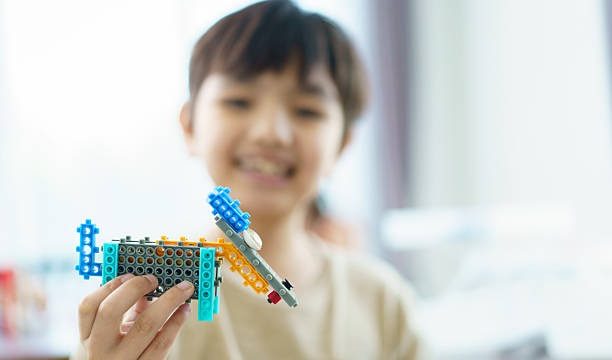
A gentle approach to fostering creativity can make a significant difference in a child’s development. Instead of dictating what children should play, providing them with a variety of materials can open doors to their imagination. Simple items like cardboard boxes, colorful fabric scraps, and art supplies can inspire endless possibilities. When children are given the freedom to choose how they want to play, they often surprise us with their ingenuity. They may transform a simple box into a spaceship, a castle, or even a magical creature.
Through this unstructured play, children practice problem-solving skills as they encounter challenges. For instance, if a tower made of blocks tumbles down, they learn to assess what went wrong and try again. This trial-and-error approach not only builds resilience but also encourages them to think critically. The process of experimenting, failing, and succeeding is a fundamental part of cognitive development, and it happens effortlessly when play is involved.
Physical play is equally important. Activities like running, jumping, and climbing are not just fun; they help develop gross motor skills and coordination. When children engage in active play, they are not only strengthening their bodies but also enhancing their ability to navigate their environment. Whether it’s a game of tag in the backyard or a dance party in the living room, these physical activities contribute to their overall health and well-being.
Moreover, social play is a crucial aspect of childhood development. Interaction with peers teaches children about sharing, cooperation, and empathy. When they engage in group play, they learn to negotiate roles, resolve conflicts, and understand different perspectives. For instance, in a game of pretend, one child might want to be the doctor while another wants to be the patient. Through this negotiation, they practice communication and compromise, skills that are essential in life.
As caregivers, we can further nurture these social skills by facilitating playdates or group activities. Encouraging children to invite friends over or joining community playgroups can provide them with opportunities to interact and learn from one another. These experiences are invaluable, as they help children form friendships and develop a sense of belonging.
A small shift toward balance is also beneficial for children. While unstructured play is essential, it’s equally important to introduce guided activities that target specific skills. For example, engaging in art projects can enhance fine motor skills and creativity, while simple board games can promote strategic thinking and turn-taking. The key is to keep these activities enjoyable and pressure-free, allowing children to explore their interests at their own pace.
Incorporating educational games into playtime can also be a wonderful way to support skill development. Many games are designed to be fun while subtly teaching concepts like counting, reading, or even social studies. When children are engaged in a playful context, they are often more receptive to learning. This seamless blend of fun and education can foster a love for learning that lasts a lifetime.
As technology becomes increasingly prevalent in our lives, it’s important to find a balance between screen time and active, hands-on play. While there are many educational apps and games that can be beneficial, nothing can replace the rich experiences that come from physical play and face-to-face interactions. Encouraging outdoor play and unplugged activities can help children develop a healthy relationship with technology while still reaping the benefits of learning through play.
Creating a nurturing environment for play doesn’t require elaborate setups or expensive toys. Sometimes, the simplest activities can be the most enriching. A nature walk can spark curiosity about the environment, while a scavenger hunt can encourage observation and critical thinking. The goal is to allow children to explore their interests and express themselves freely.
Ultimately, the essence of helping children practice skills through play lies in our ability as caregivers to provide support and encouragement. Being present during playtime, asking open-ended questions, and showing genuine interest in their activities can foster their confidence and creativity. When children feel supported in their endeavors, they are more likely to take risks and explore new ideas.
As we navigate the journey of parenthood, it’s essential to remember that play is not just a way to occupy time; it is a vital component of childhood development. By embracing the joy of play, we can help children cultivate the skills they need to thrive in life. Whether through imaginative role-play, physical activities, or social interactions, every moment of play is an opportunity for growth. In nurturing these experiences, we are not just allowing play; we are opening the door to a world of endless possibilities for our children.