In a world that often prioritizes productivity and outcomes, it’s easy to overlook the importance of play.
Yet, play is not just a whimsical distraction; it’s a powerful tool that fosters learning motivation.
Whether it’s a child exploring a colorful world of blocks or an adult engaging in a spirited game with friends, the essence of play enhances our ability to learn and grow.
The joy of playful activities creates a safe space where curiosity thrives. When we engage in play, we often let go of the pressures associated with performance and achievement. This freedom allows us to explore new ideas and concepts without the fear of making mistakes. In fact, mistakes become part of the learning process, enriching our experiences instead of hindering them.
A gentle shift toward joy in learning
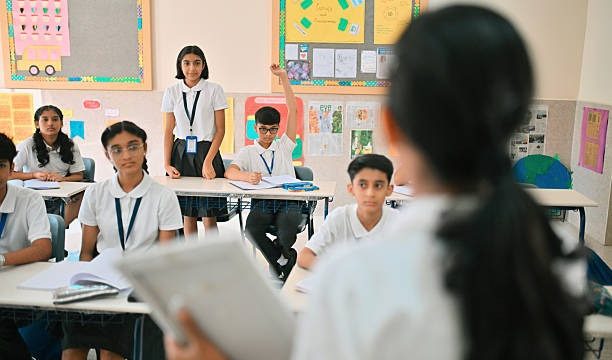
For many, the traditional learning environment can feel rigid and uninviting. However, incorporating playful elements into learning can transform this atmosphere into one that is welcoming and engaging. For instance, educators who introduce games and interactive activities into their lessons often find that students are more enthusiastic and willing to participate. This shift from a purely academic focus to a more playful approach cultivates a sense of community and collaboration among learners, making the experience enjoyable rather than burdensome.
The beauty of play lies in its ability to create intrinsic motivation. When individuals are allowed to explore subjects through play, they often discover a deeper connection to the material. This connection can lead to a greater desire to learn, as the experience feels less like an obligation and more like a joyful exploration of knowledge. Whether it’s through role-playing historical events, experimenting with science in a hands-on way, or even engaging in creative arts, play allows for a rich tapestry of learning possibilities.
Finding balance through playful exploration
Play also encourages a balance between structure and freedom. While some level of guidance is important in any learning process, too much can stifle creativity and motivation. By allowing for playful exploration, learners can take ownership of their educational journey. This sense of autonomy fosters a sense of responsibility and encourages individuals to pursue their interests more deeply.
For adults, play can sometimes feel like a luxury rather than a necessity. Yet, incorporating playful activities into our daily lives can reignite our passion for learning. Whether it’s joining a local sports team, taking a dance class, or engaging in creative hobbies, these activities not only provide a break from routine but also stimulate our minds. They remind us that learning doesn’t have to be confined to a classroom or a formal setting; it can happen anywhere and at any time, often in the most unexpected ways.
The social aspect of play
Another compelling aspect of play is its social nature. Engaging in playful activities often involves collaboration and interaction with others. This shared experience can strengthen relationships and foster a sense of belonging. When people learn together through play, they are more likely to motivate and inspire one another. The joy of shared laughter and collective discovery enhances the learning experience, making it more memorable and meaningful.
In many ways, play serves as a bridge that connects individuals to one another. It breaks down barriers and creates a sense of camaraderie, which is essential for maintaining motivation in any learning endeavor. Whether it’s through team sports, group projects, or collaborative art sessions, the bonds formed in these playful environments can lead to lasting friendships and a supportive community that encourages lifelong learning.
Embracing the unexpected
One of the most delightful aspects of play is its unpredictability. Unlike traditional learning methods that often follow a structured path, play invites spontaneity and surprises. This unpredictability can spark creativity and innovation, allowing individuals to think outside the box. When faced with challenges during play, learners may come up with inventive solutions and ideas that they might not have considered in a more structured setting.
This embrace of the unexpected is particularly valuable in today’s fast-paced world, where adaptability is key. By fostering a mindset that welcomes play and spontaneity, individuals can develop resilience and problem-solving skills that are essential for navigating life’s uncertainties.
Nurturing a playful mindset
As we consider the benefits of play in enhancing learning motivation, it’s important to nurture a playful mindset in ourselves and those around us. This can start with small steps, such as incorporating games into family gatherings, encouraging creative expression through art, or even allowing time for leisure activities that bring joy. By prioritizing play, we signal to ourselves and others that learning is a lifelong journey filled with exploration and wonder.
In the end, play is more than just an activity; it’s a vital component of our learning experience. By embracing play, we cultivate an environment that fosters curiosity, creativity, and connection. As we navigate our own learning paths, let’s remember the importance of play and the joy it brings. After all, learning is not just about acquiring knowledge; it’s about experiencing life to the fullest and finding motivation in the delightful journey of discovery.