Learning Through Play at Home and Beyond
In the hustle and bustle of modern life, it can be easy to overlook the simple joys of play.
Yet, play is not just a delightful way to pass the time; it is an essential component of learning, especially for children.
The concept of learning through play is gaining traction among parents and educators alike, and it can be seamlessly integrated into daily life at home and beyond.
Understanding the importance of play in learning begins with recognizing that children are naturally curious. They explore their surroundings, ask questions, and engage with the world around them through play. This exploration fosters creativity and problem-solving skills, laying a foundation for lifelong learning. When children play, they are not just having fun; they are experimenting, discovering, and making sense of their environment.
Creating a nurturing space for play at home is a wonderful way to encourage this exploration. A designated play area, filled with a variety of materials, can spark imagination and creativity. This doesn’t mean you need to invest in expensive toys. Simple items like cardboard boxes, art supplies, or even kitchen utensils can become tools for creativity. The key is to provide an environment where children feel free to express themselves and explore new ideas.
One of the most beautiful aspects of learning through play is how it encourages social interaction. Whether children are playing with siblings, friends, or even parents, they learn valuable social skills. They practice sharing, negotiating, and empathizing with others. These interactions help develop emotional intelligence, which is just as crucial as cognitive skills. When children play together, they navigate conflicts and learn to appreciate different perspectives, setting the stage for strong interpersonal relationships in the future.
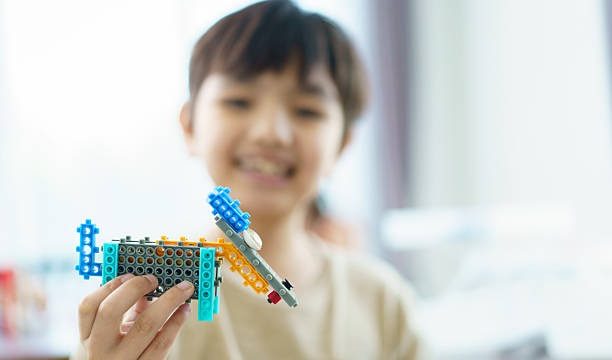
Incorporating elements of play into everyday routines can also enhance learning. For instance, turning chores into games can make tasks more enjoyable. A simple challenge, like racing to see who can tidy up their toys the fastest, can transform a mundane activity into a playful experience. This approach not only makes learning fun but also teaches children responsibility and teamwork.
As children grow, the opportunities for learning through play expand beyond the home. Community spaces like parks, libraries, and museums often offer interactive programs and activities that blend education and play. These experiences can ignite a passion for learning and exploration. Visiting a science museum, for example, can be a thrilling adventure where children can engage with exhibits, participate in hands-on activities, and discover new interests.
Outdoor play is particularly beneficial, allowing children to connect with nature while developing physical skills. Climbing trees, running in open fields, or simply observing the world around them can enhance their understanding of biology, physics, and environmental science. Nature provides an endless canvas for imaginative play, where children can create their own adventures and narratives.
As parents and caregivers, it is essential to recognize the balance between structured learning and free play. While educational activities have their place, allowing children the freedom to choose their play can lead to deeper learning. Unstructured play encourages independence and self-directed exploration, fostering a sense of agency that is crucial for personal growth.
A small shift toward balance can be achieved by integrating moments of free play into the daily schedule. Setting aside time for children to engage in activities of their choice—be it building with blocks, painting, or simply daydreaming—can have profound effects on their development. These moments not only provide a break from structured learning but also allow children to pursue their interests and passions.
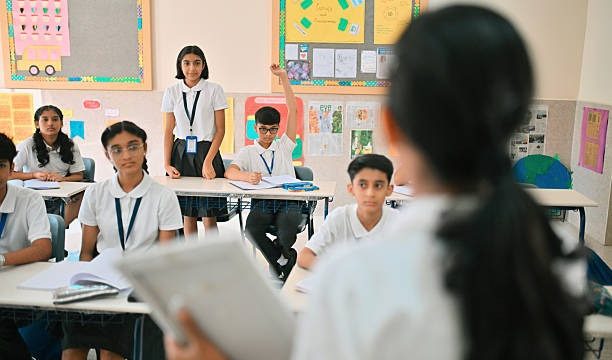
Incorporating play into learning doesn’t stop when children reach school age. Educators are increasingly recognizing the value of play-based learning in the classroom. This approach encourages students to engage with subjects through hands-on activities, collaborative projects, and imaginative play. Such environments foster a love for learning and help students retain information more effectively.
Parents can support this learning philosophy by advocating for play-based curricula in their children’s schools. Engaging with teachers and participating in school events can help create a community that values the importance of play in education. The more parents and educators collaborate, the more children can benefit from a rich learning environment that respects their natural instincts to explore and create.
As we navigate the complexities of parenting and education, it is vital to remember that learning through play is not just a childhood phase; it is a lifelong journey. Adults can also benefit from play, whether through hobbies, social activities, or creative pursuits. Embracing the playful spirit can lead to enhanced well-being, reduced stress, and improved relationships.
Encouraging a culture of play within families can enrich the bonds between parents and children. Engaging in playful activities together—be it board games, outdoor adventures, or crafting—can create cherished memories and strengthen family connections. These shared experiences can foster a sense of belonging and support emotional development in children.
In conclusion, learning through play is a powerful concept that transcends age and setting. By nurturing curiosity, encouraging social interaction, and promoting creative expression, we can create environments that foster holistic development. Whether at home, in the community, or within educational settings, embracing play as a vital component of learning can pave the way for a brighter, more engaged future. So, let’s celebrate the joy of play and the endless possibilities it brings to our lives and the lives of our children.