In a world that often emphasizes achievement and structured education, it’s easy to overlook the simple, profound power of play.
For young minds brimming with curiosity, play is not just a pastime; it’s a vital component of learning and development.
Through playful exploration, children uncover the mysteries of their environment, build social skills, and cultivate creativity. This article delves into the enriching world of learning through play, celebrating how it nurtures the curious hearts and minds of our youngest generation.
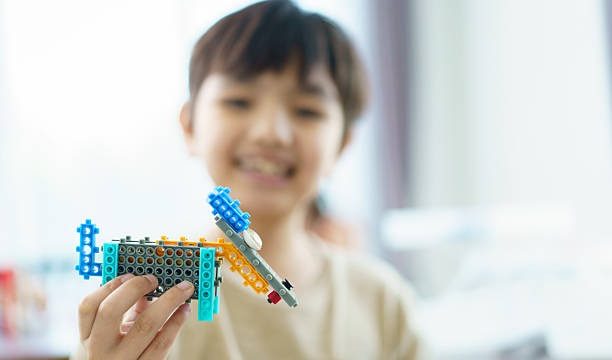
Play serves as a natural vehicle for children to explore their interests and ideas. When children engage in play, they instinctively experiment with concepts, test boundaries, and learn through trial and error. Whether they are building a tower with blocks, pretending to be a chef in a make-believe kitchen, or conducting a science experiment with household items, each playful moment offers a valuable lesson. This hands-on approach to learning allows children to grasp complex ideas in a way that feels organic and enjoyable.
One of the most beautiful aspects of learning through play is its ability to foster creativity. Children have an innate gift for imagination, and when given the freedom to explore, they can create entire worlds from their minds. A simple cardboard box can transform into a spaceship, a fort, or a time machine, limited only by a child’s imagination. This creative play not only stimulates cognitive development but also encourages problem-solving skills. As children navigate their imaginary worlds, they learn to think critically and adapt to new challenges, laying the groundwork for lifelong learning.
Social interaction is another vital component of learning through play. When children engage in group activities, they learn to communicate, cooperate, and resolve conflicts. Whether they are sharing toys or collaborating on a project, these interactions help them develop essential social skills. Through play, children learn the importance of empathy, patience, and teamwork. These experiences teach them how to connect with others, fostering relationships that can last a lifetime.
As children play, they also develop emotional resilience. The ups and downs of play—like winning and losing in a game or navigating the dynamics of group play—help them understand their emotions and those of others. This emotional intelligence is crucial for navigating the complexities of life. When children learn to express their feelings and understand the emotions of their peers, they build a foundation for healthy relationships and self-awareness.
Incorporating play into learning doesn’t mean sacrificing structure or educational goals. Instead, it invites a more holistic approach to education. Parents and educators can create environments that encourage exploration and creativity by blending play with learning objectives. For instance, a trip to the local park can become an opportunity to learn about nature, physics, and even art. Children can observe the way leaves flutter in the wind, experiment with how far they can throw a ball, or gather materials for a nature-inspired craft. Through this playful exploration, they absorb knowledge without the weight of traditional instruction.
The beauty of learning through play is that it can take many forms. While outdoor play offers a wealth of opportunities for physical activity and exploration, indoor play can be equally enriching. Simple activities like puzzles, arts and crafts, or even cooking together can spark curiosity and creativity. The key is to create an environment that encourages exploration, where children feel free to express themselves and follow their interests.
As parents and caregivers, it’s important to nurture this playful spirit. Providing children with a variety of materials and experiences can ignite their imagination and curiosity. Simple items like crayons, building blocks, or nature finds can inspire hours of creative play. Encouraging unstructured time allows children to take the lead, exploring their interests at their own pace. This freedom fosters independence and self-confidence, essential traits for navigating the world.
It’s also vital to recognize the importance of play in promoting well-being. In our fast-paced society, children often face pressures that can hinder their natural curiosity. By prioritizing play, we create a sanctuary where children can unwind, explore, and simply be themselves. This playtime serves as a counterbalance to the demands of academic life, allowing children to recharge and approach learning with a fresh perspective.
In the realm of early childhood education, there is a growing movement advocating for play-based learning. Educators are increasingly recognizing the value of incorporating play into their curricula, understanding that it not only enhances academic skills but also nurtures social and emotional development. Schools that embrace this philosophy often see children who are more engaged, curious, and eager to learn.
As we reflect on the significance of learning through play, it’s clear that this approach nurtures well-rounded individuals. Children who engage in playful learning are more likely to develop a love for discovery and a lifelong passion for knowledge. They learn to adapt, think critically, and approach challenges with creativity and resilience.
In conclusion, embracing the philosophy of learning through play can transform the way we view education for young minds. It invites a sense of wonder and exploration, allowing children to thrive in an environment that celebrates curiosity. By prioritizing play, we equip the next generation with the skills and confidence they need to navigate an ever-changing world. So let us cherish these moments of play, for they are the building blocks of a bright and curious future. As we support our children in their playful adventures, we nurture not just their intellect but their spirit, creating a foundation for lifelong learning and joy.