Learning Through Play for Holistic Development
In a world that often prioritizes structure and discipline, the beauty of learning through play sometimes gets overshadowed.
Yet, play is not merely a leisure activity; it is a powerful tool for holistic development that nurtures the mind, body, and spirit.
As we dive into this concept, we will explore how engaging in playful activities can foster creativity, emotional intelligence, and social skills, all while laying a strong foundation for lifelong learning.
The essence of play is rooted in its ability to ignite curiosity. When children are allowed to explore their surroundings through play, they naturally begin to ask questions. Why does this toy bounce? How does this puzzle fit together? Such inquiries stimulate cognitive growth and promote critical thinking. Rather than viewing playtime as a distraction from learning, we can embrace it as an essential part of the learning process.
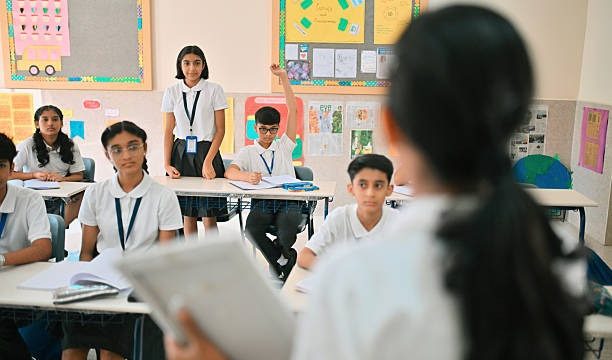
Incorporating play into educational settings can create a balanced approach to learning. Imagine a classroom where children can engage in role-playing activities that mirror real-life situations. This not only enhances their understanding of complex concepts but also allows them to practice problem-solving skills in a safe environment. Through imaginative play, children learn to navigate challenges and develop resilience, preparing them for the ups and downs of life.
A gentle shift toward balance can be observed when we consider the emotional benefits of play. Engaging in playful activities helps children express their feelings in a healthy manner. Whether it’s through storytelling, art, or group games, children have the opportunity to share their thoughts and emotions. This form of expression is vital for emotional intelligence, as it teaches them empathy and understanding. They learn to recognize their own emotions and those of others, which is a cornerstone of good relationships.
Moreover, play fosters social skills that are crucial for holistic development. When children play together, they learn to communicate, cooperate, and negotiate. These interactions are vital as they lay the groundwork for teamwork and collaboration later in life. Whether it’s sharing toys, taking turns, or resolving conflicts, each playful encounter is a lesson in social dynamics. The friendships formed through play can also provide a sense of belonging, nurturing the spirit and contributing to overall well-being.
Parents and educators can play a pivotal role in facilitating play. By creating environments that encourage exploration and creativity, adults can help children thrive. This might mean providing open-ended toys that spark imagination or organizing group activities that foster teamwork. The key is to allow children the freedom to direct their own play, making choices that resonate with their interests and curiosities. This autonomy not only boosts confidence but also instills a love for learning.
As we consider the holistic aspect of development, it’s important to recognize the physical benefits of play as well. Engaging in active play promotes physical health and well-being. Whether it’s running, jumping, or dancing, movement is essential for developing motor skills and coordination. It also encourages a healthy lifestyle, establishing habits that can last a lifetime. The joy of physical activity is often intertwined with play, making it an enjoyable way for children to stay active and healthy.
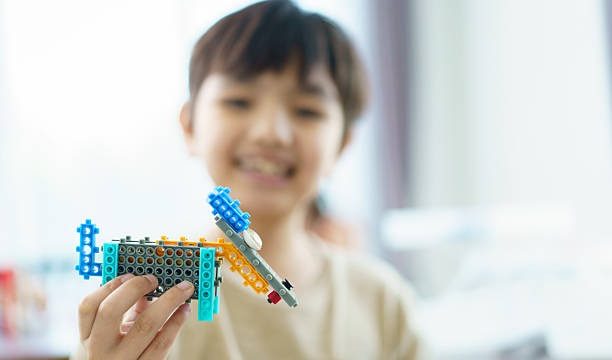
In addition to physical and emotional growth, play can also enhance cognitive abilities. Activities that involve building, sorting, or problem-solving stimulate brain development and enhance critical thinking. For instance, playing with blocks can teach spatial awareness and engineering concepts, while puzzles can improve memory and concentration. These foundational skills are not just applicable to academic learning; they are essential for everyday problem-solving and decision-making.
As we navigate the intricacies of holistic development, we must also acknowledge the role of cultural and environmental influences on play. Different cultures have unique ways of engaging in play, which can enrich a child’s learning experience. By exposing children to diverse play experiences—whether through games, stories, or art from different cultures—we can broaden their perspectives and foster a sense of global citizenship.
Creating a community that values play is equally important. Neighborhoods that encourage outdoor play, provide safe spaces, and promote community events can significantly enhance children’s developmental experiences. When children see adults engaged in play, whether through sports or creative activities, it sends a powerful message about the importance of playfulness in life.
In conclusion, learning through play is a multifaceted approach to holistic development that nurtures the mind, body, and spirit. By recognizing the vital role that play has in fostering creativity, emotional intelligence, and social skills, we can create environments that support this essential aspect of growth. As we encourage our children to play, we also cultivate a lifelong love for learning, resilience in the face of challenges, and an appreciation for the joy of discovery. Ultimately, embracing play as a core component of development can lead to healthier, happier individuals who are equipped to navigate the complexities of life with confidence and grace.