In our fast-paced world, where screens often dominate our daily lives, the idea of learning through play with hands-on activities offers a refreshing alternative.
This approach not only nurtures creativity but also fosters deeper understanding and retention of knowledge.
It invites both children and adults to engage with the world in a more tactile and immersive way, transforming learning into an enriching experience.
Play is an essential component of human development, serving as a natural way to explore and understand our surroundings. When we engage in hands-on activities, we tap into our senses, allowing us to experience concepts in a way that theoretical learning simply cannot replicate. The act of creating, building, or experimenting encourages curiosity, while also developing critical thinking skills.
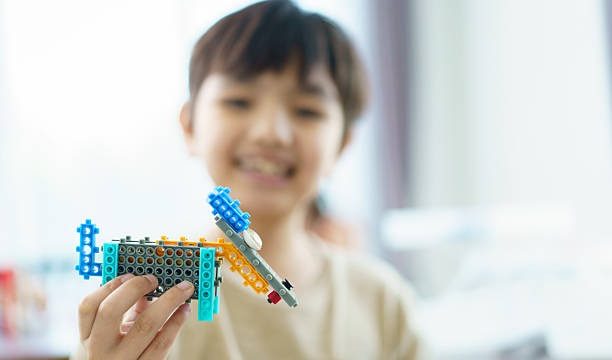
The beauty of learning through play lies in its flexibility. It can take many forms, from simple art projects to intricate science experiments. For young children, activities like building with blocks or playing with clay can enhance fine motor skills and spatial awareness. As they mold and shape, they’re not just having fun; they’re learning about balance, gravity, and even basic engineering principles. These lessons are absorbed naturally, without the pressure of formal instruction.
As children grow, so too can the complexity of their hands-on activities. Older kids might enjoy more structured projects, such as creating their own mini-gardens or conducting simple chemical reactions. These experiences not only teach them about biology or chemistry but also instill a sense of responsibility and accomplishment. Watching seeds sprout or a baking project rise in the oven is a powerful moment that reinforces the connection between effort and outcome.
For adults, the benefits of learning through play are equally significant. Engaging in hands-on activities can serve as a wonderful stress reliever, providing a break from the demands of daily life. Whether it’s pottery, woodworking, or even cooking, these activities encourage mindfulness and present-moment awareness. They allow us to step away from our screens and immerse ourselves in the physical world, which can lead to a greater sense of well-being.
Incorporating hands-on activities into our lives doesn’t have to be complicated. It can be as simple as setting aside time each week to engage in a creative project with family or friends. This not only fosters connection but also cultivates an environment where learning is joyous and collaborative. When we create together, we share ideas, inspire one another, and often stumble upon new concepts organically.
A gentle shift toward balance in our daily routines can also make a significant difference. Instead of solely relying on digital learning tools, we can strive to include more tactile experiences. This could mean turning a family night into a craft evening or exploring nature through gardening or hiking. These activities offer a wonderful opportunity for discussions about the world around us, enhancing both knowledge and relationships.
The impact of hands-on learning can extend beyond individual experiences to the broader community. Workshops and classes that focus on practical skills, such as cooking or gardening, can bring people together, fostering a sense of belonging and shared purpose. These communal activities not only teach valuable skills but also create lasting memories and friendships.
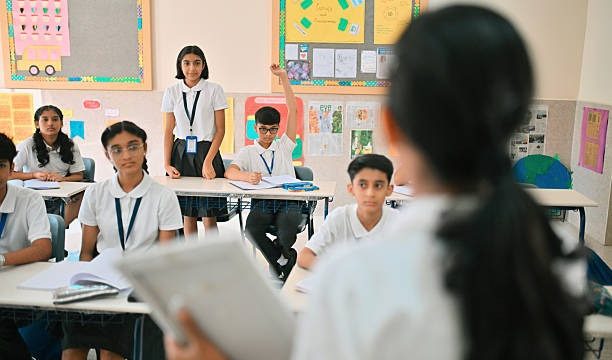
In schools, incorporating play-based learning into the curriculum can transform the educational landscape. When teachers integrate hands-on activities, they cater to various learning styles, making lessons more accessible and engaging. Children who might struggle with traditional learning methods often thrive in environments where they can explore and create. This approach not only enhances academic performance but also instills a lifelong love of learning.
As parents, caregivers, or educators, it’s essential to create an environment that encourages exploration and creativity. This could involve setting up a dedicated space for crafting or allowing children to take the lead in their learning journeys. The freedom to experiment and make mistakes is crucial, as it helps build resilience and problem-solving skills. The process of trial and error teaches valuable lessons that extend far beyond the activity itself.
Reflecting on our own childhood experiences can remind us of the joy that comes from play. Many of us have fond memories of building forts, conducting backyard science experiments, or creating art projects. These experiences shaped who we are today and highlighted the importance of imagination and creativity in our lives. By reconnecting with that sense of wonder, we can inspire the next generation to embrace learning through play.
In conclusion, learning through play with hands-on activities is a powerful way to engage with the world around us. It nurtures curiosity, creativity, and critical thinking while fostering connections between individuals and communities. By valuing and prioritizing these experiences, we create a richer, more balanced life for ourselves and those we love. So whether you’re a parent, teacher, or simply someone looking to add a little more joy to your life, consider embracing the art of play. After all, learning is not just about accumulating knowledge; it’s about discovering the world with an open heart and a playful spirit.