In a world that often feels divided, the importance of cooperation and learning has never been clearer.
From our earliest days, play has served as a bridge connecting us to one another, fostering understanding and collaboration among friends, family, and even strangers.
Engaging in activities that encourage these qualities not only nurtures our relationships but also enriches our minds.
The beauty of play lies in its ability to transcend barriers, allowing individuals of all ages to bond over shared experiences. Whether through a simple game or a more complex team activity, the essence of play is rooted in connection. As we delve into the various forms of play that promote cooperation and learning, we can discover new ways to engage with those around us, enhancing our lives while nurturing a sense of community.
One of the most delightful aspects of cooperative play is its versatility. Games designed for teamwork can be enjoyed in various settings, from the backyard to the classroom. Take, for instance, classic board games like “Pandemic” or “Forbidden Island.” These games require players to work together, strategizing and communicating to achieve a common goal. The shared experience of overcoming challenges fosters a deeper bond among players, teaching valuable lessons about collaboration and compromise.
Outdoor activities also provide a wonderful canvas for cooperative play. Team sports, for example, not only encourage physical fitness but also teach participants the importance of trust and teamwork. The thrill of passing a soccer ball or coordinating a basketball play nurtures a sense of belonging. Each player learns to rely on one another, cultivating a spirit of camaraderie that can extend beyond the field.
As we explore the connection between play and learning, it’s important to recognize the role of creativity. Engaging in imaginative play—whether through role-playing games or creative arts—allows individuals to express themselves while collaborating with others. This form of play encourages problem-solving and critical thinking as players navigate scenarios together. It’s fascinating how a simple act of pretending can lead to profound lessons in communication and empathy.
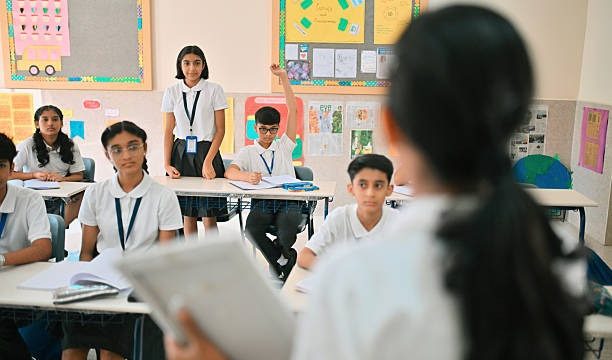
A small shift toward balance can also be found in cooperative learning environments. In classrooms, educators are increasingly recognizing the value of group activities that foster collaboration. When students work together on projects, they not only learn from one another but also develop essential social skills. This approach cultivates an atmosphere of respect and inclusivity, allowing students to appreciate diverse perspectives. As they learn together, they build a foundation for lifelong friendships and collaborative skills that will serve them well in the future.
The role of technology in play is ever-evolving, and it presents new opportunities for cooperation and learning. Online games that require teamwork can connect individuals from all corners of the globe. These digital platforms foster communication and collaboration, allowing players to strategize and achieve goals together, regardless of physical distance. While there are valid concerns about screen time, when approached mindfully, technology can be a powerful tool for connection and learning.
In addition to structured games, unstructured playtime is equally vital. Allowing children and adults alike to explore their interests freely can lead to unexpected moments of cooperation and creativity. Imagine a group of children building a fort together or adults collaborating on a community art project. These spontaneous interactions can lead to profound connections and learning experiences.
It’s also worth noting the role of adult-led activities in promoting cooperative play. Workshops, team-building retreats, and community events can create opportunities for individuals to engage with one another in meaningful ways. These gatherings often inspire collaboration and creativity, encouraging participants to step outside their comfort zones. By fostering an environment where cooperation is celebrated, we can cultivate a sense of unity and shared purpose.
As we reflect on the impact of play, it becomes clear that the benefits extend far beyond the immediate joy of the activity. Cooperative play nurtures essential life skills, such as communication, empathy, and problem-solving. These skills are invaluable in both personal and professional spheres, enhancing our ability to connect with others and navigate the complexities of life.
In our fast-paced world, taking the time to engage in play can feel like a luxury. Yet, it’s crucial to prioritize these moments of connection. Whether through games, outdoor activities, or creative endeavors, the time spent in cooperative play can provide a refreshing break from daily routines. These moments allow us to recharge, reconnect, and rediscover the joy of being present with one another.
Ultimately, the magic of play lies in its ability to bring people together. It reminds us that we are not alone in our journeys and that collaboration can lead to incredible outcomes. As we embrace the spirit of cooperation and learning, we can create a more connected world, one playful interaction at a time.
In a society that often emphasizes competition and individual achievement, let us not forget the power of working together. Play is not just a pastime; it is a vital component of our shared human experience. By engaging in activities that encourage cooperation and learning, we enrich our lives and foster a sense of belonging. So, let’s gather our friends, family, and even new acquaintances, and immerse ourselves in the joy of play. After all, in the grand tapestry of life, it is the threads of connection that create the most beautiful patterns.