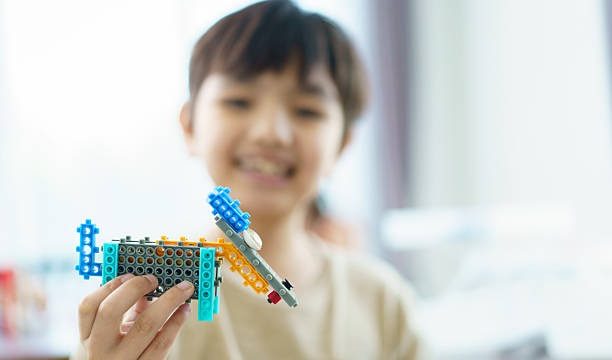
In a world that often seems to prioritize productivity and achievement, the simple act of play can sometimes be overshadowed.
However, play isn’t just a pastime; it’s a vital component of human development.
Through play, we can cultivate essential social skills that shape our interactions and relationships. As adults, we often forget the joy and lessons that come from playful engagement. Yet, revisiting this innate form of expression can lead to a richer, more connected life.
Play comes in many forms, from unstructured outdoor activities to board games that bring friends together. Regardless of the medium, the essence of play encourages exploration, creativity, and connection. When we immerse ourselves in playful activities, we naturally engage with others, navigating social dynamics that enhance our interpersonal skills.
The beauty of play lies in its inherent freedom. Children instinctively know how to play, often bouncing from one game to another, experimenting with rules, roles, and relationships. They learn to cooperate, negotiate, and resolve conflicts—all crucial social skills. As adults, however, we might find ourselves more hesitant to embrace such spontaneity. Yet, reclaiming that playful spirit can be transformative.
Engaging in play allows us to practice empathy. When we participate in games or activities with others, we are often required to put ourselves in someone else’s shoes. Whether it’s understanding a teammate’s perspective during a cooperative game or recognizing a friend’s feelings during a competitive match, these moments cultivate our ability to empathize. This connection is vital in both personal and professional relationships, allowing us to foster deeper bonds and a supportive community.
Finding opportunities for play doesn’t have to mean signing up for a sports league or joining a board game night (though those are fantastic options!). Simple activities like going for a walk in the park, participating in a group art class, or even engaging in a friendly conversation with a neighbor can serve as avenues for playful interaction. Each of these experiences encourages us to connect with others, share our thoughts, and learn from one another.
As adults, we often view social interactions through a lens of obligation or formality, which can stifle our natural desire to connect. By shifting our perspective and allowing ourselves to engage in playful moments, we can break down barriers and create a more relaxed environment. This shift can be as simple as finding joy in spontaneous outings or exploring new hobbies with friends. The laughter and enjoyment that arise from these experiences can lighten the atmosphere, making social interactions feel less daunting.
In the realm of play, we also encounter the opportunity for personal growth. Stepping outside our comfort zone can be intimidating, but when we do so in a playful context, the stakes feel lower. Trying a new sport, attending a dance class, or even participating in a trivia night can be exhilarating and can help us develop confidence. As we venture into unfamiliar territory, we learn to manage our fears and embrace new experiences, which ultimately strengthens our social skills.
Moreover, play teaches us the importance of resilience. In games, we often face setbacks—losing a match, forgetting a rule, or miscommunicating with teammates. These moments can be frustrating, yet they also provide valuable lessons in perseverance. By navigating these challenges with others, we learn to support one another and bounce back together. This resilience translates into our everyday lives, equipping us to handle social challenges with grace and understanding.
Creating a playful environment within our communities can also have a ripple effect, encouraging others to engage in social interactions. Organizing community events, such as outdoor movie nights, potlucks, or game tournaments, fosters a sense of belonging and connection. When people come together to share laughter and experiences, they build relationships that strengthen the fabric of their community. These shared moments of joy become the foundation for deeper connections and lasting friendships.
In our increasingly digital world, the importance of face-to-face interaction cannot be overstated. While technology provides us with convenient ways to connect, nothing quite compares to the richness of in-person engagement. By prioritizing play—whether through sports, arts, or casual gatherings—we can ensure that we nurture our social skills in meaningful ways. The laughter shared over a board game or the camaraderie built during a group hike can create bonds that transcend the screen.
As we navigate life’s various challenges, it’s essential to remember that play is not just for children. Embracing our playful side as adults can lead to enhanced social skills, deeper connections, and a more fulfilling life. It encourages us to be open, to listen, and to engage with others authentically. So, whether you find joy in a game, a creative project, or simply sharing a laugh with a friend, remember that play is a powerful tool for strengthening our social fabric.
In the end, play is a reminder of our humanity. It invites us to connect with others, to express ourselves freely, and to embrace the beauty of life’s simple pleasures. As we prioritize these moments of joy and connection, we inevitably enrich our social skills and foster a sense of community that benefits us all. So, go ahead—pick up that board game, join that dance class, or simply step outside for a walk with friends. The world is waiting for your playful spirit to shine.