Creating Early Math Opportunities at Home
As parents and caregivers, we often find ourselves immersed in the daily rhythms of life, balancing work, play, and the myriad tasks that come with raising children.
In this busy world, it can be easy to overlook the simple yet profound ways to nurture our children’s early math skills right at home.
Integrating math into everyday activities can be a delightful experience, fostering not only learning but also bonding moments filled with joy and laughter.
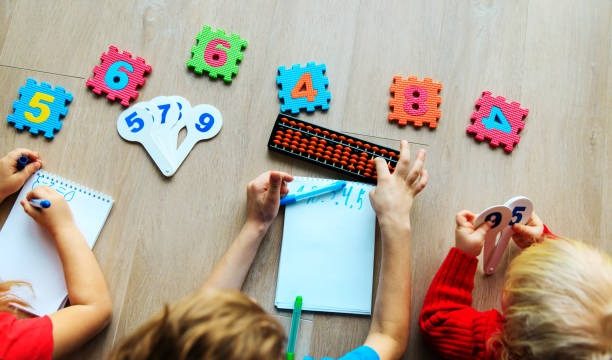
The beauty of early math lies in its accessibility. Children begin to develop mathematical concepts long before they set foot in a classroom. By harnessing the natural curiosity of young minds, we can create a rich environment where numbers, shapes, and patterns come to life. This journey doesn’t require elaborate tools or structured lessons. Instead, it thrives on the playful interactions that occur in the ordinary moments of daily life.
A gentle approach to numbers
Incorporating math into daily routines can be as simple as infusing conversations with numbers. When preparing meals, for instance, you might invite your little one to help measure ingredients. This not only introduces concepts of volume and measurement but also encourages them to practice counting. As they pour, scoop, and mix, they engage their senses, making the experience both educational and enjoyable.
During snack time, you can explore the world of shapes and patterns. Arrange fruits or snacks in various formations, encouraging your child to recognize and name the shapes they see. A simple conversation about the circular nature of an apple or the rectangular shape of a cracker can spark their interest in geometry. The key is to keep the tone light and playful, allowing curiosity to guide the exploration.
Transforming play into learning
Playtime is a treasure trove of opportunities for early math learning. Building blocks, for example, are not just toys; they are gateways to understanding spatial awareness and symmetry. As children stack and arrange blocks, they are inherently practicing concepts of balance and weight. You can enhance this experience by introducing language related to size, such as “tall,” “short,” “big,” and “small.” This not only expands their vocabulary but also deepens their understanding of comparative measurements.
Art can also serve as a wonderful medium for math exploration. Encourage your child to create patterns using colors or shapes in their artwork. Whether they are painting, drawing, or crafting, introduce the idea of repeating sequences. As they create, you can discuss how patterns can be found in nature, clothing, or even in the design of their favorite toys. This connection will help them recognize that math is not confined to numbers but is woven into the very fabric of the world around us.
A small shift toward balance
In our quest to support our children’s learning, it’s important to strike a balance between guidance and independence. While it’s tempting to provide answers, allowing them to explore and discover on their own can be incredibly beneficial. When faced with a challenging puzzle or problem, resist the urge to step in immediately. Instead, ask open-ended questions that encourage critical thinking. Questions like “What do you think would happen if we tried this?” or “How can we solve this together?” can empower them to find solutions while developing their problem-solving skills.
Incorporating math into daily errands can also create rich learning experiences. A trip to the grocery store, for example, can be transformed into a math adventure. Involve your child in counting items as you shop, comparing prices, or even estimating the total cost of your groceries. These real-world applications of math not only reinforce their skills but also help them understand the value of money and budgeting.
Cultivating a positive mindset
Perhaps one of the most important aspects of nurturing early math skills is fostering a positive attitude toward learning. Children often pick up on our feelings and attitudes, so it’s essential to model enthusiasm for math. Celebrate their efforts, no matter how small, and create an environment where mistakes are viewed as opportunities for growth. By showing that math can be fun and rewarding, we help them develop a lifelong love for learning.
As you engage in these activities, take a moment to reflect on the journey. Each interaction, whether it’s counting the steps to the mailbox or sorting toys by size, is an opportunity for connection. The laughter shared during a playful game of “how many hops can you make?” or the pride in solving a simple puzzle together creates lasting memories. These moments not only build math skills but also strengthen the bond between you and your child.
Embracing the journey
Creating early math opportunities at home is about embracing the journey rather than focusing solely on the destination. It’s an invitation to explore, play, and learn together in a nurturing environment. By weaving math into everyday life, we help our children develop essential skills while also creating cherished moments.
In the end, the goal is not just to teach math but to instill a sense of wonder and curiosity about the world. As we guide our children through these early experiences, we are not merely preparing them for academic success; we are nurturing confident, inquisitive individuals ready to take on the world with open hearts and minds. So, let’s celebrate the beauty of math in our lives and enjoy the simple joys of learning together.