Supporting preschool learning is a beautiful journey that involves nurturing curiosity, creativity, and a love for exploration in young minds.
The early years of a child’s life are a critical period filled with opportunities for growth and development.
As parents, caregivers, and educators, we have a unique role in shaping this experience, creating an environment that allows children to thrive.
Creating a nurturing environment
The foundation of effective preschool learning begins at home. A nurturing environment fosters a sense of security and belonging, which is essential for young learners. Simple changes in your home can make a significant difference. Consider setting up a dedicated space for play and learning, filled with age-appropriate toys and books that spark imagination. This space can be a corner of a room or even a cozy nook where children feel comfortable exploring their interests.
In addition to physical space, emotional support is equally important. Encouraging open communication and expressing love and patience helps children feel valued and understood. When they know they can share their thoughts and feelings without judgment, they are more likely to engage in learning activities with enthusiasm.
Incorporating play into learning
Play is a child’s natural way of learning. It is through play that children explore their world, develop social skills, and enhance their cognitive abilities. As caregivers, we can support this natural learning process by integrating educational elements into playtime. Simple activities, such as building with blocks or engaging in imaginative role-play, can teach valuable lessons in problem-solving, collaboration, and creativity.
Consider setting aside time each day for unstructured play. This allows children to lead their own learning experiences, exploring their interests at their own pace. Whether they are pretending to be a chef in a make-believe kitchen or constructing a towering castle from blocks, the skills they develop during play are foundational for their future learning.
Encouraging curiosity and exploration
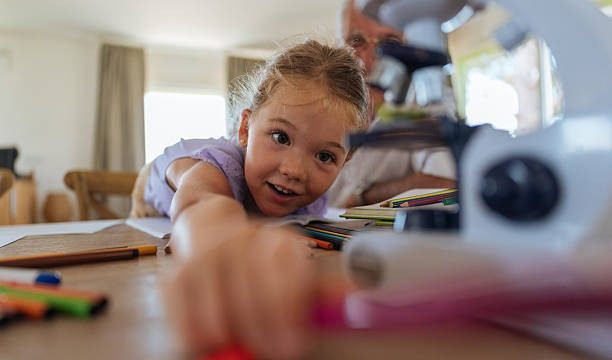
Curiosity is the driving force behind learning. It’s crucial to cultivate this innate desire to learn by encouraging children to ask questions and explore the world around them. When a child expresses interest in a particular topic, seize the opportunity to delve deeper. Visit the library together, explore nature, or conduct simple experiments at home. These experiences not only broaden their knowledge but also strengthen the bond between caregiver and child.
As we guide children through their explorations, it’s important to strike a balance between providing support and allowing them to discover independently. Sometimes, stepping back and letting them navigate their own questions can lead to unexpected learning moments. This gentle encouragement fosters resilience and critical thinking, skills that will serve them well throughout their lives.
Fostering social skills through interaction
Preschool is often the first experience children have with structured social interactions outside their families. Supporting their social development is essential for building confidence and empathy. Arrange playdates or group activities where children can interact with their peers. These settings provide opportunities to practice sharing, taking turns, and resolving conflicts, all of which are vital social skills.
Modeling positive social behaviors can also have a lasting impact. Children learn by observation, so demonstrating kindness, patience, and effective communication can guide them in developing their interpersonal skills. Encourage them to express their feelings and perspectives while listening to others, creating a foundation for healthy relationships.
Integrating literacy and numeracy
While play is crucial, integrating literacy and numeracy into daily routines can further support preschool learning. Reading together is one of the most effective ways to foster a love for books and storytelling. Choose engaging stories that resonate with your child’s interests, and take time to discuss the characters and plot. This not only enhances their vocabulary but also nurtures their imagination.
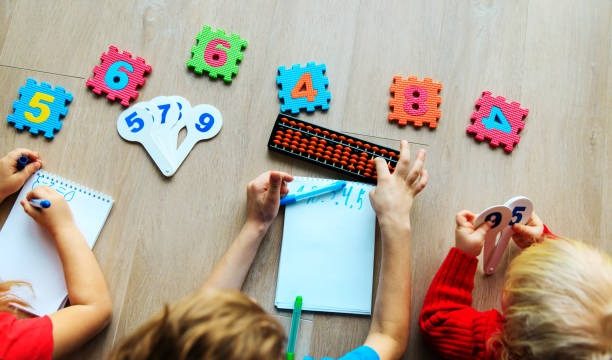
Similarly, incorporating simple math concepts into everyday activities can make learning enjoyable. Counting objects during playtime, measuring ingredients while cooking, or sorting toys by color and size can introduce foundational math skills in a playful context. The key is to make these activities feel natural and fun, so children associate learning with joy rather than pressure.
Encouraging creativity through the arts
Creativity is a vital component of preschool learning, and the arts offer a wonderful avenue for self-expression. Encourage children to explore various artistic mediums, whether it’s painting, drawing, or crafting. Providing materials like crayons, paints, and clay can inspire them to create freely. Celebrate their artwork by displaying it at home, which can boost their confidence and sense of accomplishment.
Music and movement are also powerful tools for fostering creativity. Singing songs, dancing, or playing simple instruments can enhance their emotional and cognitive development. These activities not only promote physical coordination but also stimulate the brain, making learning a multisensory experience.
Building a community of support
Finally, connecting with other parents and educators creates a supportive community that benefits everyone involved in preschool learning. Share experiences, resources, and ideas with others who share similar goals for their children. Local parenting groups, community centers, or online forums can provide valuable insights and encouragement.
Collaboration with educators is equally important. Attend parent-teacher meetings and engage in conversations about your child’s progress. This partnership can facilitate a deeper understanding of your child’s learning style and needs, allowing you to support their education effectively.
Supporting preschool learning is a journey filled with discovery, joy, and growth. By creating nurturing environments, encouraging play, fostering curiosity, and integrating literacy and creativity, we help lay the groundwork for a lifetime of learning. As we embark on this adventure together, let us remember that every small step contributes to a child’s development, making each moment an opportunity for exploration and wonder.