Language is a beautiful tapestry that weaves through our lives, connecting us to one another and to the world around us.
For children, exploring language is not just an academic exercise; it’s a vital part of their development.
Encouraging this exploration through play can transform the way they engage with words, sounds, and stories. By creating playful environments, we can nurture their curiosity and help them build a foundation for effective communication.
The joy of learning through play is a concept that resonates deeply with both parents and educators. When children are engaged in playful activities, they are often less aware that they are learning. Instead, they are immersed in experiences that stimulate their imagination and creativity. This natural, joyful approach to language exploration can lead to richer vocabulary, improved comprehension, and a better understanding of the nuances of communication.
Creating a playful atmosphere can begin at home. Simple, everyday activities can be infused with opportunities for language development. For instance, during a trip to the grocery store, parents can turn the outing into a fun word game. Asking children to identify fruits and vegetables, or to describe their colors and shapes, can spark conversations that enhance their vocabulary. This gentle integration of language into daily routines allows children to learn in a context that feels familiar and safe.
Outdoor play also offers a wealth of opportunities for language exploration. Nature walks can become storytelling adventures. As children observe the world around them, they can be encouraged to describe what they see, hear, and feel. Perhaps they spot a squirrel darting up a tree or hear birds chirping overhead. By encouraging them to articulate their observations, parents can help them connect words with experiences, fostering a deeper understanding of language.
Imaginative play is another powerful avenue for language exploration. When children engage in role-playing, they step into different characters and scenarios, using language in diverse ways. Whether they are pretending to be superheroes, chefs, or explorers, children naturally experiment with dialogue, storytelling, and expression. This kind of play not only enhances their speaking skills but also gives them the confidence to express themselves in different contexts.
Incorporating books into playtime can further enrich the language experience. Reading together can be a delightful ritual, and it provides a wonderful opportunity to introduce new words and concepts. Choosing interactive books, such as those with flaps to lift or textures to feel, can make the experience even more engaging. After reading, parents might encourage children to retell the story in their own words, fostering comprehension and creativity. This not only reinforces language skills but also nurtures a love for reading that can last a lifetime.
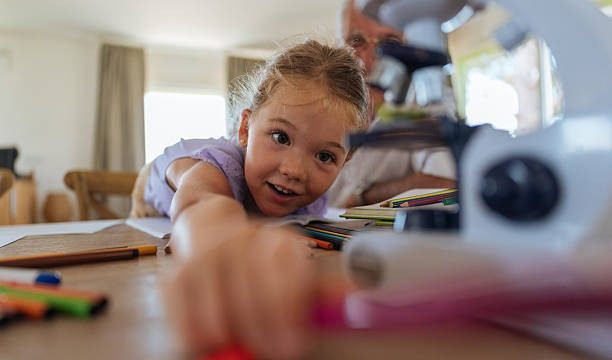
Art and crafts can also be a gateway to language exploration. As children create, they often find themselves discussing their projects, explaining their choices, and sharing their thoughts. These conversations can be enriched by asking open-ended questions that prompt deeper thinking. For example, instead of simply asking, “What color are you using?” a parent might ask, “What do you think this color represents in your painting?” Such questions encourage children to articulate their feelings and ideas, enhancing both their vocabulary and critical thinking skills.
Another gentle approach to encourage language exploration is through music and songs. Children are naturally drawn to melodies, and music can be a fantastic medium for learning new words and phrases. Singing nursery rhymes or simple songs not only helps with language acquisition but also improves memory and rhythm. Parents can join in the fun by creating their own songs together, incorporating new vocabulary that relates to their daily lives. This playful interaction allows children to connect language with joy and creativity.
As children grow, their language needs will evolve. It’s essential to remain attuned to their interests and adapt activities accordingly. For instance, if a child develops a fascination with dinosaurs, parents can dive into that theme by reading books about these ancient creatures, watching documentaries, or even visiting a museum exhibit. This targeted exploration not only keeps their interest alive but also provides a rich context for new vocabulary and concepts.
Creating a supportive environment is key to fostering language exploration. Encouragement and praise can go a long way in boosting a child’s confidence. When they express themselves, whether through words, drawings, or actions, positive reinforcement can validate their efforts and inspire them to keep exploring. It’s important to remember that every child learns at their own pace, and the journey of language exploration should be celebrated in all its forms.
In this dance of language and play, patience is essential. Children may stumble over words or struggle to find the right expression, and that’s perfectly okay. The process of discovery is often more valuable than the end result. By allowing them the space to explore, experiment, and even make mistakes, parents can cultivate a love for language that will serve them well throughout their lives.
Ultimately, encouraging language exploration through play is about creating moments of connection. It’s in these shared experiences that children learn to express themselves, understand others, and navigate the world around them. Whether through storytelling, imaginative play, or everyday conversations, each interaction is a stepping stone on their journey toward becoming confident communicators. By embracing play as a powerful tool for language development, we can nurture a lifelong passion for words, ideas, and connection.