In today’s fast-paced world, the concept of education often conjures images of classrooms filled with desks, textbooks, and technology.
While these elements are undeniably important, there is a growing recognition of the profound impact that movement has on a balanced education.
Movement is not just a physical activity; it’s an essential component that supports learning, emotional well-being, and social interaction. As we explore the role of movement in education, we begin to see how it nurtures the mind, body, and spirit, creating a harmonious environment for growth.
The connection between movement and learning is deeply rooted in our biology. From the moment we are born, movement plays a pivotal role in our development. Babies instinctively reach for objects, wiggle their toes, and eventually crawl and walk, all of which are crucial for cognitive and physical growth. As children progress through their educational journey, incorporating movement into their daily routines can enhance their ability to absorb information, retain knowledge, and engage with their surroundings.
A small shift toward balance can begin with simple changes in the classroom. Traditional seating arrangements can be reimagined to include standing desks, bean bags, or even exercise balls. These alternatives not only make learning more comfortable but also encourage students to move, stretch, and adjust their posture. When students are given the freedom to shift positions, they often experience increased focus and creativity. This flexibility allows them to engage more fully with the material at hand, transforming a passive learning experience into an active one.
Beyond the classroom, physical activity plays a crucial role in fostering social connections among students. Participating in sports, dance, or even cooperative games promotes teamwork and communication. These experiences teach valuable life skills such as resilience, empathy, and leadership. As students learn to navigate relationships through movement, they develop a sense of belonging and community. This social aspect of movement helps create an inclusive environment where every child feels valued and understood.
The benefits of movement extend to emotional well-being as well. Engaging in physical activity has been shown to reduce stress and anxiety, which can be particularly beneficial in a school setting. When students are encouraged to take breaks for stretching or brief exercise, they can reset their minds and return to their studies with renewed energy and focus. Incorporating mindfulness practices, such as yoga or tai chi, into the school day can further enhance emotional regulation and promote a sense of calm. This holistic approach to education recognizes that mental health is just as important as academic achievement.
As educators and parents, creating opportunities for movement can also inspire a love for lifelong learning. By associating physical activity with positive experiences, children are more likely to develop habits that carry into adulthood. Whether it’s through organized sports, dance classes, or simply enjoying the outdoors, encouraging movement can help foster a mindset that values health and well-being. This appreciation for an active lifestyle can lead to better academic performance and overall happiness.
Incorporating movement into education doesn’t stop at the school doors. Families can play a significant role in reinforcing the importance of physical activity at home. Simple activities such as family walks, bike rides, or even gardening together can create cherished memories while promoting health and wellness. By making movement a shared family value, children learn that staying active is not just a chore but a joyful part of life. This connection between family and movement can strengthen relationships and build a supportive foundation for children as they navigate their educational paths.
As we consider the role of movement in a balanced education, it’s essential to recognize that every child is unique. Some may thrive in structured sports environments, while others may prefer more creative forms of movement like dance or martial arts. Understanding and respecting these individual preferences can help tailor educational experiences that resonate with each child. This personalized approach not only enhances engagement but also fosters a sense of ownership over one’s learning journey.
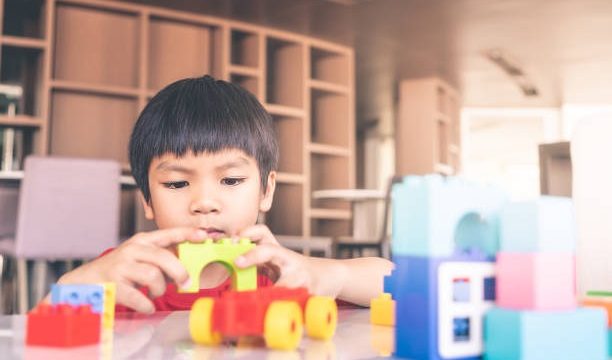
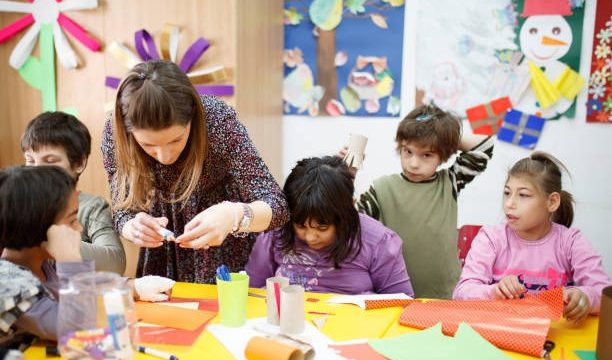
The integration of movement in education also aligns beautifully with the principles of experiential learning. When students can physically engage with the material—whether through hands-on science experiments, outdoor explorations, or interactive art projects—they develop a deeper understanding of concepts. This kinesthetic approach to learning solidifies knowledge and encourages curiosity. The world becomes their classroom, and every movement is an opportunity to explore and discover.
As we look ahead, the importance of movement in education is increasingly being acknowledged by educators, policymakers, and communities. Schools are beginning to prioritize physical education and recess, understanding that these components are vital for healthy development. Community programs and initiatives that promote active lifestyles are also gaining momentum, helping to reinforce the message that movement matters.
In conclusion, the role of movement in a balanced education is multifaceted and profound. It enhances learning, fosters social connections, and nurtures emotional well-being. By embracing movement as a vital component of education, we create a more holistic approach that values the mind, body, and spirit. As we continue to support our children in their educational journeys, let us remember that movement is not just an activity; it is a pathway to a richer, more fulfilling life. Encouraging movement in all its forms can lead to a brighter future for our children, one that celebrates the joy of learning and the beauty of being active.