In our fast-paced world, kindness and cooperation may sometimes feel like rare commodities.
Yet, these qualities are deeply embedded in the fabric of our social lives.
They are not just random acts; they are essential elements that shape our communities, relationships, and even our individual well-being. Understanding the social roots of kindness and cooperation can illuminate how we can cultivate these traits in ourselves and inspire them in others.
A gentle exploration of kindness reveals that it is often rooted in our evolutionary history. Early human societies relied heavily on cooperation for survival. Those who worked together to hunt, gather, and care for one another were more likely to thrive. This interdependence fostered a sense of community and belonging, embedding kindness as a social norm. The bonds formed through shared experiences and mutual support created a foundation for what we recognize today as empathy.
Empathy is a powerful force that propels kindness. When we connect with others’ feelings, we are more likely to respond with compassion. This connection can be seen in everyday interactions, whether it’s a comforting word to a friend in distress or a helping hand to a stranger in need. These small gestures contribute to a larger tapestry of kindness that enriches our communities. The more we practice empathy, the more we reinforce this social bond, encouraging a culture of cooperation.
As we nurture our capacity for kindness, we also discover its transformative potential. Kindness is contagious; when we witness acts of generosity, we are often inspired to pay it forward. This ripple effect can create a chain reaction, leading to a more supportive and understanding environment. Imagine a workplace where colleagues actively celebrate each other’s achievements or a neighborhood where residents look out for one another. These environments foster not only individual happiness but also collective well-being.
In our digital age, the landscape of kindness and cooperation has evolved. Social media platforms allow us to connect with people across the globe, sharing stories that inspire and uplift. However, this connectivity can also present challenges. The anonymity of online interactions sometimes leads to negativity or hostility. Yet, within this space, there is also immense potential for positive change. Online movements advocating for social justice, mental health awareness, and community support showcase the power of collective kindness. When we harness these platforms to uplift rather than diminish, we can foster a culture of cooperation that transcends geographical boundaries.
A small shift toward balance can be found in the practice of gratitude. By acknowledging the kindness we receive, we cultivate an appreciation that fuels our desire to give back. Taking a moment each day to reflect on the positive interactions we experience can enhance our overall outlook on life. This simple act creates a cycle of positivity, where gratitude inspires kindness, and kindness, in turn, fosters more gratitude. It’s a beautiful loop that reminds us of our interconnectedness.
Cultivating kindness and cooperation also involves understanding the barriers that can inhibit these qualities. Life’s challenges, such as stress, competition, and societal pressures, can create a mindset that prioritizes individual gain over collective well-being. Recognizing these barriers allows us to consciously choose kindness, even when it feels difficult. When we step back and consider the impact of our actions on others, we can make more compassionate choices.
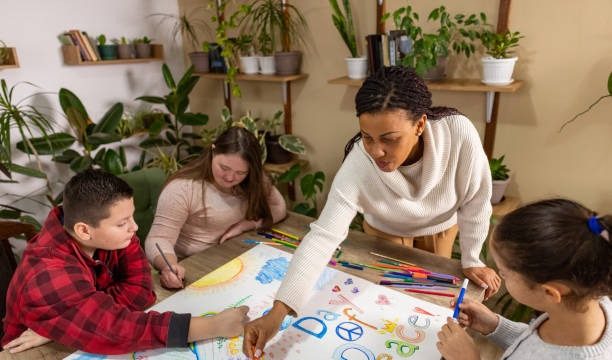
The role of community in promoting kindness cannot be overstated. Engaging in local initiatives, volunteering, or simply being present for those around us fosters a sense of belonging. Communities that prioritize kindness create spaces where individuals feel safe to express themselves and support one another. This nurturing environment encourages cooperation, as people are more likely to collaborate when they feel valued and understood.
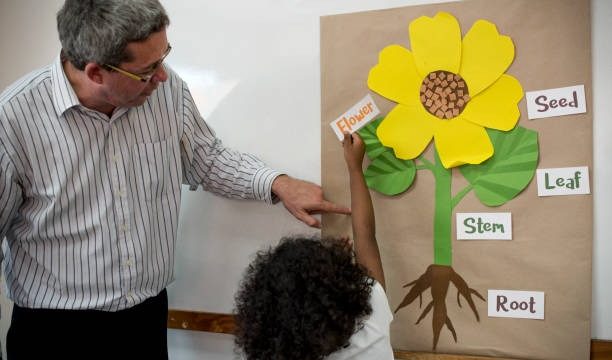
As we consider the social roots of kindness and cooperation, we must also reflect on the role of education. Teaching children the importance of empathy, respect, and collaboration from an early age lays the groundwork for a kinder future. Schools that emphasize social-emotional learning create an atmosphere where students learn to appreciate diversity and work together toward common goals. These lessons not only benefit individuals but also contribute to a more harmonious society.
Ultimately, kindness and cooperation are choices we make every day. They require intention and awareness, but the rewards are immeasurable. By fostering these qualities in ourselves and encouraging them in others, we can create a ripple effect that touches countless lives. Imagine a world where kindness is the norm, where cooperation flourishes, and where every individual feels valued and supported. This is not just a dream; it is a possibility we can work toward together.
In closing, embracing the social roots of kindness and cooperation enriches our lives and the lives of those around us. By nurturing empathy, practicing gratitude, and engaging with our communities, we can contribute to a culture that uplifts and inspires. Let us remember that every act of kindness, no matter how small, has the power to create lasting change. Together, we can weave a tapestry of connection that reflects the best of our humanity, reminding us that we are all part of something greater.