Understanding Preschool Cognitive Stages
As parents and caregivers, we often find ourselves captivated by the wonder of a child’s mind.
The preschool years are a remarkable time of discovery, where little ones transition from the safety of infancy into a world brimming with curiosity and learning.
Understanding the cognitive stages during this period can help us nurture their growth and enrich their experiences.
The early years of a child’s life are filled with rapid changes, and cognitive development is at the forefront. Cognitive development refers to the ways in which children think, learn, and process information. During preschool, children typically range from ages three to five, and within this short span, they undergo significant transformations that influence their interactions with the world around them.
One of the first stages children enter during preschool is the symbolic thinking stage. At around three years old, children begin to understand that symbols can represent objects or ideas. This is when you may notice your child engaging in imaginative play, where they might use a stick as a sword or pretend a box is a car. This kind of play is not just fun; it’s a crucial part of their cognitive development. It allows them to practice problem-solving skills and to explore different roles and scenarios, laying the groundwork for more complex thinking.
As children progress to around four years old, they often enter the stage of intuitive thought. At this point, their thinking becomes more fluid. They start to ask questions, and their curiosity about how things work deepens. You might find your little one peppering you with “why” questions, seeking to understand the world in a more profound way. This is a beautiful opportunity for parents to foster a love for learning by encouraging exploration and providing answers that stimulate further inquiry. Engaging in conversations about their questions can help develop their critical thinking skills, allowing them to connect ideas and concepts more effectively.
During this stage, children also begin to categorize information more systematically. They might sort toys by color or shape and start to recognize patterns in their environment. This categorization is not merely a fun activity; it’s a fundamental cognitive skill that enhances their ability to understand relationships among objects and ideas. As caregivers, we can support this development by providing diverse experiences that encourage sorting and categorization, such as cooking together or engaging in nature walks where they can collect and classify leaves or stones.
As preschoolers near the age of five, they often enter a phase characterized by more complex thought processes. This is when they begin to develop logical reasoning skills. Children start to understand concepts of time and can sequence events, such as recounting their day or discussing what comes next in a familiar story. You may notice them becoming more adept at solving problems, whether it’s figuring out how to share toys with friends or resolving a disagreement during playtime. Encouraging this type of reasoning through everyday situations helps them build confidence in their decision-making abilities.
Social interactions play a crucial role in cognitive development during these years. As children engage with peers, they learn to negotiate, share, and empathize. These social experiences are instrumental in shaping their understanding of relationships and community. Reading stories together and discussing characters’ feelings can enhance their emotional intelligence, allowing them to connect with others on a deeper level. It’s also a wonderful opportunity for parents to model positive interactions and demonstrate conflict resolution skills.
As we navigate these cognitive stages, it’s essential to recognize that each child develops at their own pace. Some children may grasp concepts more quickly, while others may take a bit more time. Patience and encouragement are key. Celebrating small milestones fosters a sense of accomplishment and motivates children to continue exploring and learning.
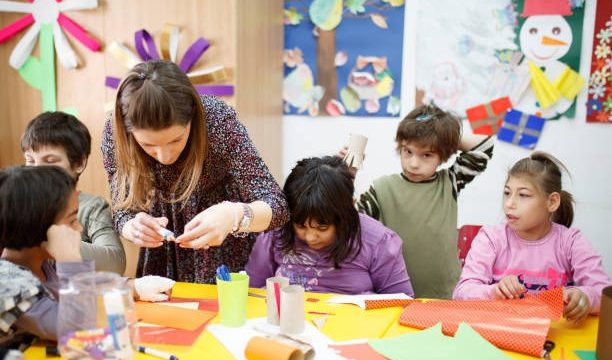
Creating a nurturing environment is equally important. A calm and supportive atmosphere encourages children to express themselves freely and helps them feel safe to take risks in their learning. Simple activities like storytelling, arts and crafts, and outdoor exploration can stimulate their cognitive growth while allowing them to express their individuality.
A small shift toward balance can also be beneficial. While structured activities are important, allowing unstructured playtime is equally vital. Unstructured play gives children the freedom to explore their interests, think creatively, and develop their problem-solving skills. It is often in these moments of free play that children make the most significant cognitive leaps, discovering new ways to interact with their world.
As parents and caregivers, we can also benefit from understanding our own roles in this developmental journey. Our engagement, encouragement, and responsiveness to their needs can significantly impact how children perceive learning. Being present and actively participating in their explorations can create a strong foundation for their cognitive development.
Finally, it is essential to remember that the preschool years are not just about preparing for school or academic success. They are about nurturing a love for learning, fostering curiosity, and building a strong sense of self. By understanding the cognitive stages of preschool development, we can better support our children as they navigate this exciting journey.
In conclusion, the preschool years are a time of remarkable growth and transformation. As children move through various cognitive stages, they develop essential skills that will serve them throughout their lives. By creating a supportive environment, encouraging exploration, and engaging with their curiosity, we can help them flourish during this magical time. Embracing this journey together not only enriches their lives but also strengthens the bond between parent and child, creating lasting memories and a foundation for lifelong learning.