Language learning can often feel like a solitary journey, filled with endless vocabulary lists and grammar exercises.
However, one of the most delightful and effective ways to immerse yourself in a new language is through roleplay.
This engaging method not only enhances your vocabulary but also helps you practice conversational skills in a lively, interactive manner. Whether you’re a beginner or looking to refine your skills, roleplay can breathe new life into your language practice.
Finding your role
To start, think about what interests you. Are you drawn to the world of theater, or perhaps you enjoy storytelling? Roleplay can take many forms, from acting out scenes from a favorite movie to creating original narratives with friends. The key is to choose a scenario that excites you, as this will naturally motivate you to engage more deeply with the language.
Imagine stepping into the shoes of a character from a beloved book or a film. This not only makes the learning process enjoyable, but it also allows you to explore different cultural nuances embedded in the language. You might find yourself ordering coffee in a bustling Parisian café or haggling at a local market in Mexico City. Each role you embrace opens a window to new vocabulary and phrases you might not encounter in traditional study.
Creating a supportive environment
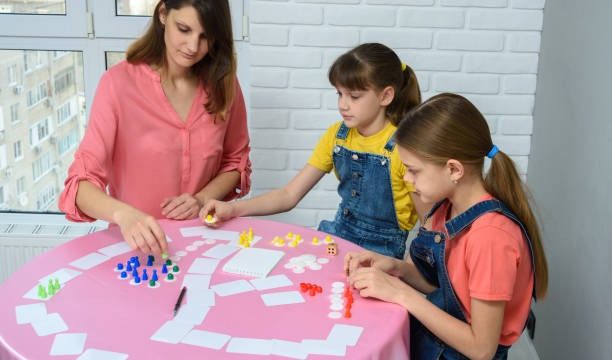
As you dive into roleplay, it’s essential to cultivate a supportive environment. If you have friends or family members who are also interested in learning a language, invite them to join you. Practicing together can turn language learning into a social affair. You can set up a regular time to meet and explore different scenarios, allowing everyone to contribute their ideas and creativity.
If you’re learning alone, don’t worry. You can still create a rich roleplaying experience. Consider using online language exchange platforms where you can connect with native speakers who are eager to practice their language skills. This way, you can engage in roleplay with someone who can provide authentic feedback and guidance. Plus, you might forge new friendships along the way.
Embracing spontaneity
One of the most beautiful aspects of roleplay is its inherent spontaneity. While scripts can be helpful, letting go of a rigid structure allows for a more organic flow of conversation. This can be particularly beneficial for language learners, as it encourages thinking on your feet. Rather than memorizing lines, you’ll find yourself forming sentences in real time, building your confidence in speaking.
To cultivate this spontaneity, try introducing unexpected elements into your roleplay scenarios. For instance, if you’re pretending to be a tourist asking for directions, have your partner throw in a surprise twist, such as a sudden rainstorm or a street performer. This not only makes the exercise more engaging but also simulates real-life situations where conversations are rarely scripted.
Connecting with culture
Language is deeply intertwined with culture, and roleplay offers a unique opportunity to explore this connection. As you assume different roles, immerse yourself in the cultural context of the language you’re learning. Research the customs, traditions, and social norms associated with the characters you portray. This not only enriches your vocabulary but also deepens your understanding of the language itself.
For example, if you’re exploring Japanese, consider roleplaying a scene from a traditional tea ceremony. This can lead to learning specific vocabulary related to tea preparation and etiquette, while also giving you insight into the values and practices of Japanese culture. By engaging with the cultural aspects of language, you’ll find your learning experience becomes more holistic and meaningful.
Making it a habit
To truly reap the benefits of roleplay in language learning, consistency is key. Integrating this practice into your routine can help solidify your skills and keep you motivated. You might set aside a specific time each week dedicated to roleplaying, allowing it to become a cherished part of your language journey.
Even on days when you feel less inspired, remember that the act of engaging with the language, even in a playful context, can be incredibly beneficial. It’s not about perfection; it’s about connection and communication. Celebrate the small victories along the way, whether it’s successfully ordering food in a restaurant or holding a brief conversation with a native speaker.
Reflecting on your progress
As you continue to explore language through roleplay, take time to reflect on your progress. Consider keeping a journal where you document your experiences, the scenarios you’ve tried, and the new vocabulary you’ve learned. This practice not only reinforces what you’ve absorbed but also allows you to track your growth over time.
Journaling can also serve as a creative outlet. You might choose to write short stories based on your roleplay experiences, further enhancing your writing skills in the language you’re learning. This blend of creativity and reflection can deepen your connection to the language and culture, making your learning journey all the more rewarding.
Finding joy in the journey
At its core, roleplay is about finding joy in the journey of language learning. It provides a playful, dynamic way to engage with a new language while fostering connections with others. As you step into different roles, you’ll not only expand your vocabulary but also build confidence in your speaking abilities.
So, embrace the adventure that roleplay offers. Whether you’re acting out a scene with friends or exploring new characters alone, remember that every moment spent engaging with the language is a step forward. Celebrate your progress, nurture your curiosity, and let the beauty of language unfold in delightful ways. Through roleplay, you’ll discover that learning a language can be as much about the fun of connection as it is about mastering grammar and vocabulary.