Creating inclusive classrooms is a goal that resonates deeply with educators, parents, and students alike.
In a world that thrives on diversity, the ability to foster environments where every individual feels valued is essential.
One of the most effective tools in achieving this is through art sessions. Art has a unique ability to transcend barriers, allowing individuals to express themselves in ways that words often cannot.
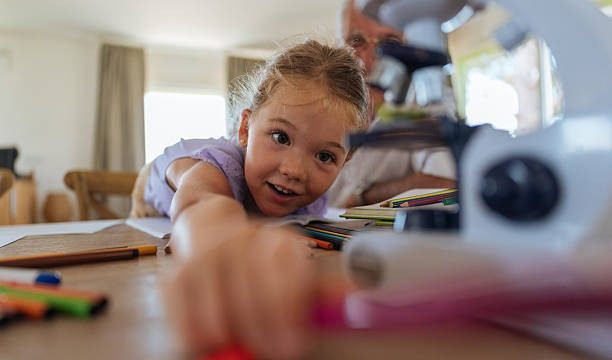
Art sessions can be a delightful experience, full of colors, textures, and creativity. They offer a space where students can explore their feelings, ideas, and identities without the fear of judgment. This freedom is particularly important in classrooms where students come from various backgrounds, each bringing their own stories and perspectives. When students engage in art, they are not just creating; they are communicating.
A gentle invitation to express oneself
Art encourages self-expression, which is crucial for building confidence. In an inclusive classroom, it’s vital that every student feels they have a voice. Through art, children can share their thoughts and emotions in a manner that feels safe and approachable. Whether it’s through painting, drawing, or sculpting, the act of creating allows students to articulate their feelings and experiences, often leading to deeper understanding among peers.
When a child shares their artwork, they are sharing a piece of themselves. This sharing can spark conversations and connections that might not happen in a more traditional classroom setting. It creates a bridge between students, fostering empathy and understanding. As they discuss their creations, students learn to appreciate different perspectives, cultivating a sense of community and belonging.
A canvas for collaboration
Art sessions also promote collaboration, which is a cornerstone of inclusive education. When students work together on projects, they learn to communicate, compromise, and collaborate. These skills are invaluable, as they mirror real-world interactions and prepare students for future challenges. In a collaborative art project, students might find themselves teaming up with classmates they wouldn’t typically engage with, breaking down social barriers and building friendships.
As they navigate the creative process together, students develop a sense of shared ownership over their work. This collective effort not only strengthens bonds but also reinforces the idea that everyone’s contribution is valuable. In this way, art becomes a powerful equalizer, reminding students that their unique talents and perspectives enhance the final product.
Nurturing emotional intelligence
Art sessions serve as a nurturing ground for emotional intelligence. Engaging in creative activities allows students to explore their feelings and reactions in a safe environment. They can learn to identify and articulate emotions, both their own and those of their peers. This emotional literacy is vital in creating an inclusive atmosphere, as it fosters understanding and compassion.
Moreover, when students create art, they often encounter challenges and frustrations. Learning to navigate these feelings in a constructive way can be incredibly empowering. Instead of shying away from difficulties, students can learn resilience and problem-solving skills. These experiences contribute to a positive classroom culture where mistakes are seen as opportunities for growth rather than failures.
A bridge to cultural appreciation
Art is also a beautiful way to celebrate cultural diversity. In an inclusive classroom, it’s important to recognize and honor the varied backgrounds of all students. Art sessions can incorporate elements from different cultures, allowing students to explore and appreciate the richness of diversity. This exposure can lead to meaningful discussions about heritage, traditions, and values.
When students create art inspired by different cultures, they not only learn about those cultures but also develop respect and appreciation for them. This process can help to dispel stereotypes and promote inclusivity, as students come to understand that everyone has a unique story that shapes who they are.
Creating a safe space for exploration
For art sessions to be truly effective in promoting inclusivity, they must be conducted in a safe and supportive environment. Educators play a crucial role in setting this tone. By encouraging open dialogue and fostering a non-judgmental atmosphere, teachers can help students feel comfortable expressing themselves.
It’s also essential that educators provide a variety of materials and techniques, allowing students to explore different forms of expression. Whether it’s through painting, collage, or digital art, offering diverse options ensures that every student can find their preferred medium. This personalized approach not only enhances engagement but also empowers students to take ownership of their creative journey.
A lasting impact on learning
The benefits of incorporating art sessions in classrooms extend beyond the immediate experience. The skills and values nurtured through art can have a lasting impact on students’ academic and personal lives. As they learn to express themselves and collaborate with others, they build a foundation for lifelong learning and empathy.
Moreover, students who engage in creative activities often demonstrate improved focus and concentration. This enhanced attention can translate into better academic performance, as students become more invested in their learning. When art is integrated into the curriculum, it enriches the educational experience, making it more dynamic and engaging.
In conclusion, art sessions are a powerful tool for creating inclusive classrooms. They provide a unique platform for self-expression, collaboration, and cultural appreciation, fostering an environment where every student feels valued. By embracing the creative process, educators can help students build emotional intelligence, develop resilience, and cultivate a sense of community. In a world that thrives on diversity, these qualities are essential for shaping compassionate and empathetic individuals. Through the lens of art, we can create classrooms that truly reflect the beauty of our shared humanity.