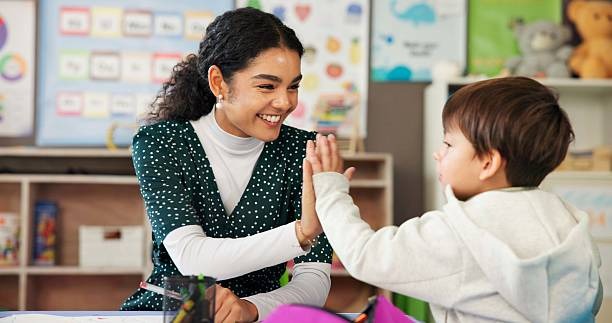
A gentle introduction to early childhood education
In the tender years of early childhood, a world of wonder unfolds.
It is a time when every experience is new, every moment a chance to learn.
Early childhood education plays a crucial role in shaping young minds, providing a nurturing environment that fosters curiosity and growth. As parents and caregivers, understanding the essence of this phase can help us create a supportive atmosphere for our little ones.
The beauty of early childhood education lies in its holistic approach. Rather than simply focusing on academic skills, it embraces the entirety of a child’s development—social, emotional, physical, and cognitive. This multifaceted perspective encourages children to explore their interests and develop a love for learning that will last a lifetime.
Creating a nurturing environment
At the heart of early childhood education is the importance of a nurturing environment. Children thrive when they feel safe, supported, and valued. A warm atmosphere can be cultivated through positive interactions, active listening, and consistent encouragement. Simple gestures, like a reassuring smile or gentle words of praise, can go a long way in building a child’s confidence.
Incorporating play into the learning experience is another vital aspect. Play is not merely a pastime for young children; it is their primary avenue for exploring the world around them. Through imaginative play, children learn to express themselves, solve problems, and understand social dynamics. Environments rich in play-based learning can stimulate creativity and critical thinking, allowing children to develop essential skills naturally.
The role of caregivers and educators
Caregivers and educators play a pivotal role in early childhood education. They are not just instructors but also facilitators of learning. By observing each child’s unique interests and developmental stages, they can tailor experiences that resonate with individual needs. This personalized approach fosters a sense of belonging and encourages children to take an active role in their learning journey.
Building strong relationships with children is fundamental in this process. When educators and caregivers take the time to connect with each child, they create a foundation of trust. This bond allows children to feel secure in expressing their thoughts and emotions, fostering a sense of autonomy. Encouraging self-expression is a crucial aspect of early childhood education, as it helps children develop their identities and understand their feelings.
A small shift toward balance
As we navigate the world of early childhood education, it’s essential to strike a balance between structured learning and free exploration. While introducing foundational concepts like numbers, letters, and shapes is important, it should not overshadow the beauty of spontaneous discovery. Children are naturally inquisitive, and allowing them the freedom to explore their interests can lead to profound learning experiences.
Incorporating nature into early education is one gentle way to encourage exploration. Outdoor play can spark curiosity and wonder, providing children with opportunities to engage with their environment. Nature walks, gardening, or simply observing the world around them can inspire a love for the outdoors and an understanding of the interconnectedness of life.
Fostering social connections
Social skills are a vital component of early childhood education. Young children are learning to navigate the complexities of relationships, and positive interactions with peers can greatly enhance their social development. Encouraging cooperative play and group activities can help children understand the importance of sharing, empathy, and collaboration.
As caregivers, we can model healthy social interactions. By demonstrating kindness and respect in our relationships, we set an example for children to follow. Encouraging them to express their feelings and resolve conflicts in a positive manner can also equip them with valuable tools for future interactions.
The importance of family involvement
Family involvement in early childhood education is essential for creating a supportive learning environment. When families engage with their child’s education, it reinforces the importance of learning and allows for a seamless connection between home and school. Simple activities like reading together, discussing the day’s events, or exploring new topics can deepen a child’s understanding and spark their curiosity.
Creating an open line of communication between families and educators fosters a sense of community. Sharing insights about a child’s interests and developmental milestones can help educators tailor their approach, ensuring that each child receives the support they need to thrive.
Embracing diversity
In our increasingly diverse world, embracing and celebrating differences is a vital aspect of early childhood education. Children come from various backgrounds, and exposing them to diverse cultures, languages, and perspectives can enrich their learning experiences. Incorporating diverse materials, stories, and activities can promote inclusivity and teach children the value of empathy and respect for others.
Encouraging children to share their own cultural experiences can also foster a sense of pride and identity. By creating an environment where all voices are heard and valued, we help children develop a broader understanding of the world around them.
A lifelong journey
Early childhood education is not just a phase; it is the beginning of a lifelong journey of discovery and learning. The experiences and relationships formed during these early years lay the groundwork for future academic and social success. As we guide our children through this formative time, let us remember the importance of patience, understanding, and love.
In nurturing young minds, we have the opportunity to inspire a generation of curious, compassionate individuals. Early childhood education is a gentle reminder of the beauty of growth, exploration, and connection. By fostering a love for learning and embracing the uniqueness of each child, we can create a brighter future for all.