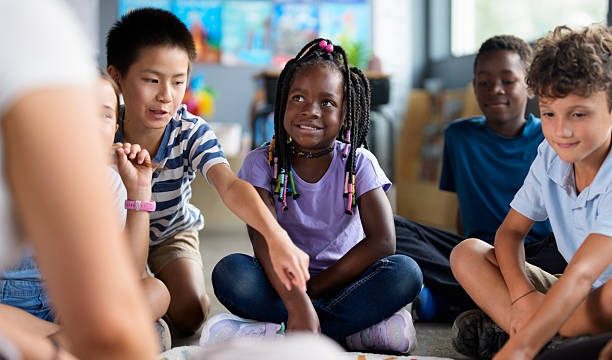
Helping Children Learn Through Experience
In the gentle dance of childhood, learning unfolds in a tapestry of experiences, each thread woven with curiosity, exploration, and discovery.
As parents and caregivers, we often ponder the best ways to nurture this natural inclination.
While structured education plays a vital role, embracing experiential learning can be a transformative approach that enriches a child’s understanding of the world around them.
The essence of experiential learning lies in the idea that children learn best when they engage actively with their environment. This learning style encourages them to explore, ask questions, and reflect on their experiences, fostering a deeper understanding of concepts and skills. Rather than simply absorbing information from textbooks, children become participants in their own education, which can lead to a more profound and lasting impact.
To create an environment that supports experiential learning, we can start by considering the world as a classroom. Nature, for example, is a rich source of inspiration and knowledge. A simple walk in the park can be transformed into a lesson about ecosystems, biology, and even physics. Children can observe the behaviors of animals, the growth patterns of plants, and the effects of weather on their surroundings. These moments of observation ignite curiosity, allowing children to make connections between what they see and what they learn in more formal settings.
Encouraging hands-on activities is another powerful way to facilitate experiential learning. Cooking together can teach children about measurements, chemistry, and nutrition, all while fostering teamwork and communication skills. Gardening offers a chance to explore biology and responsibility as children nurture plants from seed to harvest. Such activities not only impart knowledge but also instill a sense of accomplishment and pride in their abilities.
A small shift toward balance is often necessary in our fast-paced world, where structured schedules can dominate. Allowing for unstructured playtime is crucial for children to explore their interests and develop their creativity. Whether they are building forts, playing dress-up, or inventing games, these moments of free play are essential for social, emotional, and cognitive development. Through play, children learn to navigate relationships, solve problems, and express themselves in unique ways.
Traveling, even if it’s just a short trip to a nearby town, can also be an enriching experience. Exposure to different cultures, histories, and environments broadens a child’s perspective and fosters empathy. Visiting museums, historical sites, or local markets can spark discussions and questions that lead to deeper learning. Each journey provides opportunities for children to not only see but also to feel and understand the world from various viewpoints.
As we encourage experiential learning, it is essential to create a safe space for children to explore. This means allowing them to make mistakes and learn from them, rather than shielding them from failure. When children are given the freedom to experiment, they develop resilience and problem-solving skills. It’s important to remind them that mistakes are not the end but rather stepping stones toward greater understanding.
Engaging with community resources can also enhance experiential learning for children. Many libraries, community centers, and organizations offer workshops, classes, and activities designed for young learners. These programs often provide opportunities for hands-on experiences that align with children’s interests, whether it’s science, art, or technology. Participation in community events can also foster a sense of belonging and connection, reinforcing the idea that learning happens both in and out of the classroom.
Another gentle approach to fostering experiential learning is to involve children in decision-making processes. When children are part of choosing activities or setting goals, they become more invested in their learning journey. This empowerment not only boosts their confidence but also encourages critical thinking as they weigh options and consider the outcomes of their choices.
Incorporating storytelling into learning experiences can also deepen understanding. Sharing stories—whether through books, personal experiences, or even storytelling games—can ignite imagination and curiosity. Stories often carry moral lessons and cultural values, allowing children to reflect on their own experiences and relate to others. This narrative aspect of learning helps children make sense of their world and the people in it.
As we embrace the concept of learning through experience, it’s essential to remain patient and observant. Each child’s journey is unique, and their interests will guide their path. By being present and engaged, we can support their exploration and encourage a lifelong love for learning. Celebrating their discoveries, no matter how small, can reinforce their excitement and motivation.
Ultimately, helping children learn through experience is about creating an environment that fosters exploration, curiosity, and connection. It’s about recognizing that learning is not confined to a classroom but is a continuous journey that unfolds in every moment. By embracing the richness of experiential learning, we can empower children to become active participants in their education, equipping them with the skills and knowledge they need to navigate the world with confidence and curiosity.
In nurturing this approach, we open the door to a world of possibilities where children can discover their passions, develop critical thinking skills, and cultivate a sense of wonder. As we guide them along this path, we not only help them learn but also inspire them to become lifelong learners who embrace the beauty and complexity of life.