Teaching respect in early learning is a gentle journey, one that shapes the very foundation of how young minds interact with the world and with each other.
As parents and educators, fostering this essential value can create a ripple effect that nurtures kindness, empathy, and understanding in our future generations.
The beauty of teaching respect lies in its simplicity and power, and it begins with the everyday moments we share with our children.
The essence of respect can often feel abstract, yet it is woven into the fabric of our daily lives. Children are naturally curious and observant, soaking in the behaviors and attitudes of the adults around them. This means that teaching respect begins with modeling it ourselves. When we treat others with kindness and consideration, we set a precedent for children to follow. Simple gestures, like saying “please” and “thank you,” can speak volumes. They demonstrate that respect is not just a feeling but an action—a series of choices that shape our interactions.
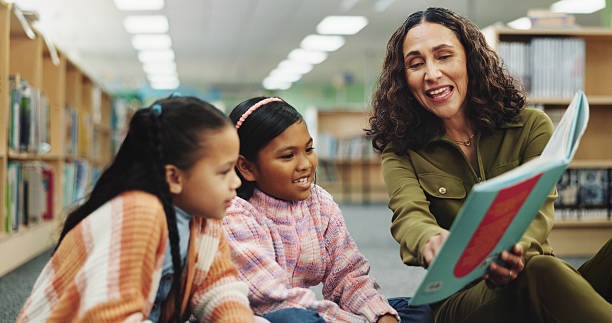
As we engage with children, it’s important to create an environment where respect is a two-way street. Encouraging children to express their thoughts and feelings fosters a sense of belonging and teaches them that their voices matter. This can be as simple as asking for their opinions on a book you’re reading together or allowing them to share their favorite activities. When children feel heard, they learn to respect not only their own perspectives but also those of others.
A small shift toward balance in our communication can also enhance mutual respect. Instead of simply instructing children on what to do, we can invite them into conversations. Phrasing requests as questions—“Could you help me with this?” or “What do you think we should do next?”—encourages collaboration and respect for one another’s contributions. This approach not only empowers children but also helps them understand the importance of considering others’ feelings and ideas.
In the realm of early learning, play is a vital tool for teaching respect. Through play, children learn to navigate social dynamics, negotiate differences, and develop empathy. Engaging in cooperative games or group activities can illuminate the value of teamwork and respect for others’ roles. When a child learns to share toys or take turns, they are practicing respect in real-time. These moments, though seemingly small, are fundamental lessons that lay the groundwork for future relationships.
Creating a culture of respect also involves addressing conflicts with care and compassion. Disagreements among children are natural, and how we guide them through these moments can significantly influence their understanding of respect. Instead of immediately stepping in to resolve the issue, we can encourage children to articulate their feelings and listen to one another. Phrasing conflicts as opportunities for learning helps children develop conflict resolution skills and reinforces the importance of respecting differing viewpoints.
As we nurture respect in early learning, it’s essential to acknowledge and celebrate diversity. Teaching children about different cultures, perspectives, and lifestyles enriches their understanding of the world. This can be as simple as incorporating diverse books into storytime or exploring various traditions during celebrations. When children learn to appreciate differences, they cultivate a more profound respect for others, fostering a sense of global citizenship.
Incorporating mindfulness practices can also enhance respect within the learning environment. Simple breathing exercises or moments of silence can help children become more aware of their emotions and the impact of their actions on others. When children learn to pause and reflect, they develop a greater sense of empathy and understanding. This inner awareness can transform how they interact with peers, leading to more respectful and thoughtful exchanges.
As we guide young learners, it’s essential to recognize that respect is not just about behavior; it’s also about nurturing a positive self-image. Encouraging children to respect themselves is equally important. When they understand their worth and value, they are more likely to extend that respect to others. Simple affirmations or discussions about self-love can empower children and help them build a foundation of respect that radiates outward.
The role of caregivers and educators in this journey cannot be overstated. Creating a safe, nurturing environment is paramount for children to explore these concepts. When children feel secure, they are more willing to engage with their peers and the world around them. Consistency in our approach reinforces the message that respect is a core value that permeates all aspects of life.
As we reflect on the significance of teaching respect in early learning, it’s clear that this journey is not a destination but an ongoing process. Each interaction, each lesson, and each moment of connection contributes to a child’s understanding of respect. By modeling respectful behavior, encouraging open communication, and fostering an appreciation for diversity, we can equip young learners with the tools they need to navigate their relationships with kindness and empathy.
Ultimately, teaching respect is about cultivating a culture of compassion and understanding. It’s about nurturing a generation that values each other’s differences and recognizes the beauty in those distinctions. By investing in this vital aspect of early learning, we are not only shaping individuals but also contributing to a more harmonious and respectful society for years to come. As we embark on this meaningful journey, let us remember that the seeds we plant today will blossom into a brighter tomorrow.