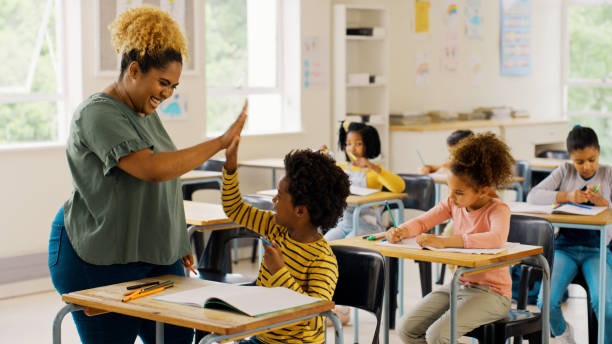
The Power of Play in Early Childhood Education
In the bustling world of early childhood education, one simple yet profound truth shines brightly: play is not just a pastime for young children; it is a fundamental component of their development.
As adults, we often underestimate the significance of play in shaping the minds and hearts of little ones.
Yet, when we take a moment to observe children at play, it becomes clear that this seemingly simple activity is rich with learning opportunities and developmental benefits.
Play is often referred to as the “work” of children. It is through play that children explore their surroundings, develop social skills, and express their creativity. Whether they are building towering structures with blocks, engaging in imaginative role-playing, or simply running around in nature, children are constantly learning and growing through their play experiences. This natural inclination toward play is not merely a phase; it is an essential part of their journey toward becoming well-rounded individuals.
One of the most beautiful aspects of play is its ability to foster connections. As children engage in cooperative play, they learn vital social skills such as sharing, taking turns, and resolving conflicts. These interactions help to build empathy and understanding, laying the groundwork for healthy relationships throughout their lives. In a world that can sometimes feel divided, the friendships formed during play can be a powerful reminder of our shared humanity.
Furthermore, play provides children with a safe space to express their emotions and navigate their feelings. Through pretend play, for instance, children can explore different scenarios and outcomes, allowing them to process their experiences in a way that feels manageable. This emotional exploration is crucial, as it helps children develop resilience and coping strategies that will serve them well in the future.
As children engage in various forms of play, they also develop critical cognitive skills. Problem-solving becomes second nature as they encounter challenges in their play, whether it’s figuring out how to balance blocks or strategizing during a game. These moments of discovery not only stimulate their intellect but also ignite a lifelong love of learning. When children are allowed to explore and experiment freely, they become curious thinkers, eager to ask questions and seek out new knowledge.
The physical benefits of play should not be overlooked either. In an age where screen time often dominates, physical play is essential for the healthy development of young children. Running, jumping, climbing, and even dancing contribute to their physical fitness, coordination, and overall well-being. Outdoor play, in particular, connects children with nature, fostering a sense of wonder and appreciation for the world around them.
Incorporating play into educational settings is not merely a nice addition; it is a necessity. Educators and caregivers who embrace play-based learning understand that children thrive when they are allowed to engage with their environment in meaningful ways. This approach encourages children to take ownership of their learning, allowing them to explore their interests and develop a sense of autonomy.
Creating a play-rich environment in early childhood education settings can be as simple as providing varied materials and resources. Open-ended toys, art supplies, and opportunities for outdoor exploration encourage creativity and imagination. When children have the freedom to choose how they want to play, they are more likely to become deeply engaged and invested in their learning experiences.
A small shift toward balance in our educational practices can also make a significant difference. While structured learning and academic readiness are important, it is equally crucial to prioritize unstructured play. Allowing children ample time for free play throughout their day ensures they have the opportunity to develop holistically. This balance helps cultivate a generation of learners who are not only academically proficient but also emotionally intelligent and socially adept.
As parents and educators, we play a vital role in nurturing the power of play. Encouraging children to explore their interests, providing them with opportunities for creative expression, and simply allowing them the time to play freely can have lasting effects on their development. It is essential to remember that the joy of play is not just for children; it is a reminder for us all to embrace curiosity, creativity, and connection.
In a world that often prioritizes productivity and achievement, let us not forget the beauty that lies in the simplicity of play. The laughter, the imagination, and the friendships formed during these playful moments are invaluable. By championing play in early childhood education, we are not only enriching the lives of children; we are nurturing a brighter, more compassionate future for us all.
As we reflect on the importance of play, we are reminded that it is not just an activity but a powerful tool for growth and development. Let us celebrate the wonder of play, recognizing it as an integral part of the educational journey. After all, in the hearts of children, play is where the magic happens.