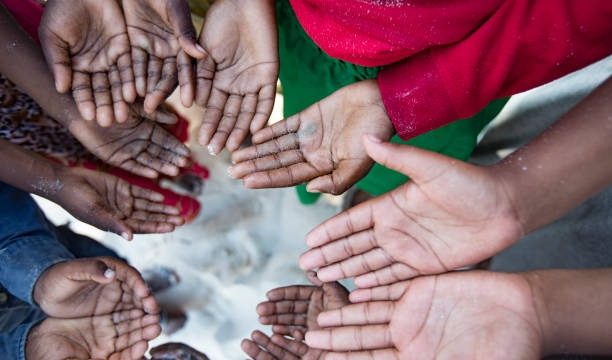
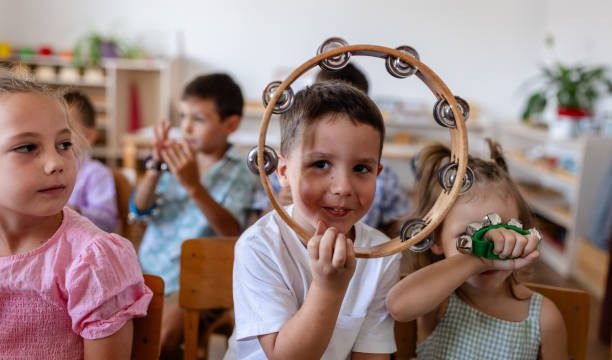
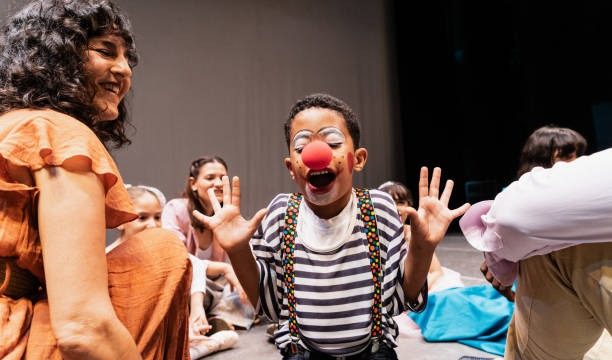
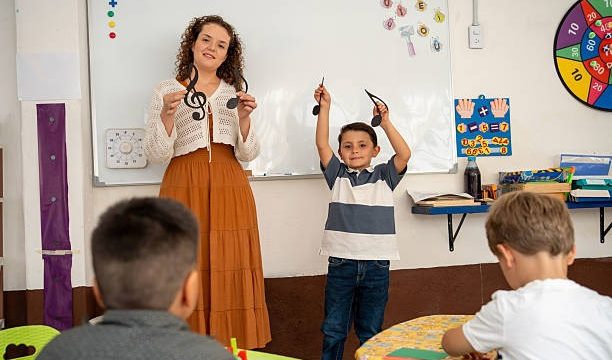
In the gentle world of kindergarten, where the air is filled with laughter and curiosity, hands-on learning takes center stage.
This approach not only ignites a child’s imagination but also nurtures their natural desire to explore and discover.
For young learners, the classroom transforms into a vibrant playground where knowledge is gained through experience, creativity, and play.
The beauty of hands-on learning lies in its engaging nature. Instead of passively receiving information, children are invited to participate actively in their education. Picture a classroom where little hands are busy with clay, paint, and building blocks, each material offering a unique avenue for exploration. As children mold shapes from clay, they are not just creating art; they are developing fine motor skills, learning about textures, and even practicing patience as they wait for their creations to dry.
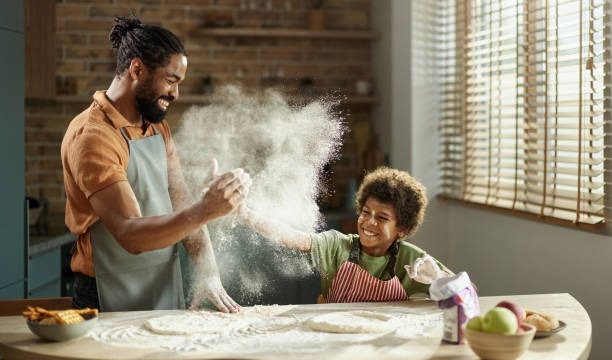
A small shift toward balance can make a world of difference. Traditional methods often emphasize rote memorization and standardized testing, which can stifle creativity and enthusiasm. In contrast, hands-on learning encourages children to ask questions, think critically, and solve problems. When a child is invited to measure ingredients for a simple recipe, they are not just following steps; they are engaging with math concepts, enhancing their understanding of measurement, and experiencing the joy of baking.
Nature is another wonderful backdrop for hands-on learning. Imagine a sunny day where children venture outside to explore their surroundings. They might collect leaves, observe insects, or even plant seeds in a garden. These activities foster a connection with the environment, teaching children about ecosystems and the importance of caring for our planet. Each discovery outside the classroom becomes a lesson, enriching their knowledge through direct experience.
Social skills blossom in this interactive setting as well. Working on projects with peers encourages teamwork and communication. When children collaborate to build a tower from blocks, they learn to share ideas, negotiate roles, and celebrate each other’s contributions. Such interactions cultivate empathy and respect, essential qualities for their future relationships.
The role of educators in hands-on learning is crucial. Teachers become facilitators of discovery, guiding children while allowing them the freedom to explore. Instead of merely imparting knowledge, they encourage curiosity by asking open-ended questions, prompting children to think deeper. “What do you think will happen if we mix these colors?” or “How can we make our tower taller?” Such inquiries inspire discussions that lead to a richer understanding of the world around them.
Incorporating hands-on learning into a kindergarten curriculum also aligns beautifully with various learning styles. Every child is unique, and some may thrive in a tactile environment while others may prefer visual or auditory experiences. By providing diverse activities—such as storytelling, art projects, and science experiments—teachers can cater to the individual needs of their students. This approach not only fosters a love for learning but also builds confidence as children succeed in ways that resonate with their personal strengths.
As parents, it’s heartwarming to witness the transformation that hands-on learning brings. When children come home excited to share what they’ve created or discovered during the day, it’s a sign that they are engaged and invested in their learning journey. Encouraging this enthusiasm at home can be as simple as participating in a craft project together or exploring nature during a family outing. These shared experiences not only reinforce what they learn in school but also strengthen family bonds.
The impact of hands-on learning extends beyond academic achievements. It shapes well-rounded individuals who are adaptable, creative, and resilient. In a world that constantly changes, these skills are invaluable. Children who have experienced a hands-on approach are often better equipped to face challenges, think critically, and approach problems with a solution-oriented mindset.
As we reflect on the essence of hands-on learning in kindergarten, it becomes clear that it is about more than just acquiring knowledge. It is about nurturing a lifelong love for learning, fostering creativity, and building strong social connections. In these formative years, children are not just learning facts; they are developing the skills and attitudes that will serve them throughout their lives.
In conclusion, embracing hands-on learning in kindergarten creates a rich tapestry of experiences that shape young minds. It invites children to explore, create, and collaborate, allowing them to thrive in a supportive environment. As they engage with the world around them, they lay the foundation for a future filled with curiosity and passion. The classroom becomes not just a place for education but a nurturing space where little hearts and minds can flourish. By prioritizing this approach, we are not only preparing children for academic success but also helping them become the innovators, thinkers, and leaders of tomorrow.