Language is a beautiful tapestry woven from the threads of our experiences, thoughts, and emotions.
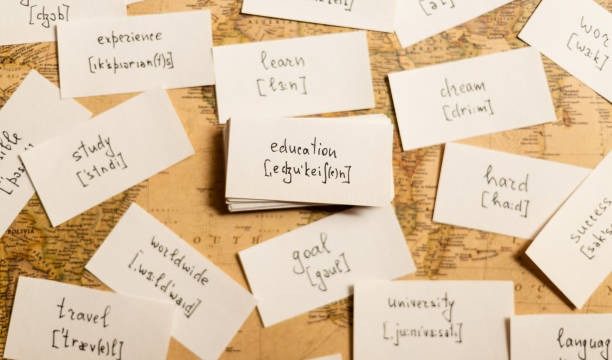
At the heart of this tapestry is vocabulary, the collection of words that we use to express ourselves.
The words we choose can shape our interactions, influence our relationships, and even affect our self-perception. As we navigate through life, a rich vocabulary can be a powerful tool, allowing us to articulate our thoughts and feelings with clarity and precision.
The journey toward effective communication begins with an understanding of vocabulary. It’s not just about knowing a multitude of words; it’s about knowing the right words and how to use them. When we expand our vocabulary, we provide ourselves with an array of options to express complex ideas and nuanced emotions. This can lead to deeper connections with others and a greater sense of fulfillment in our interactions.
A small shift toward balance can occur when we become more mindful of the words we choose. Instead of relying on a limited set of phrases or expressions, we can explore synonyms, idioms, and even the subtle differences between similar words. This exploration not only enhances our language skills but also invites us to reflect on what we truly want to convey. For instance, consider the difference between saying “I’m upset” and “I’m feeling overwhelmed.” The latter not only captures the emotion more vividly but also opens a dialogue about the underlying causes of that feeling.
As we engage with language, we also engage with ourselves. The words we use can reflect our self-image and influence our emotional state. When we articulate our feelings and thoughts clearly, we create a sense of empowerment. We are no longer at the mercy of vague expressions; instead, we can convey what we truly mean. This clarity can help us navigate challenges more effectively, whether we are in a personal relationship, a professional setting, or even a casual conversation with a friend.
Moreover, a rich vocabulary can enhance our ability to empathize with others. When we understand the nuances of language, we become better listeners and communicators. We can pick up on the subtleties of someone’s tone or the context of their words, allowing us to respond in a more thoughtful manner. This is particularly valuable in moments of conflict or misunderstanding, where a carefully chosen word can diffuse tension and foster understanding.
Building vocabulary is not solely an intellectual exercise; it can also be a deeply personal journey. Reading widely, engaging in conversations, and even writing can contribute to this growth. Each new word we learn is like a new brushstroke on the canvas of our expression. It allows us to paint our experiences with greater detail and richness. Whether we’re reading a novel, listening to a podcast, or journaling, we are continually shaping our understanding of language and, by extension, ourselves.
The act of expression itself can be therapeutic. When we articulate our thoughts, we often find clarity in our emotions. Writing in a journal, for instance, can help us process feelings that may have been buried beneath the surface. By choosing specific words to describe our experiences, we can gain insights into our mental and emotional landscapes. This process can be a gentle reminder of our resilience and capacity for growth.
In social situations, having a diverse vocabulary can enhance our charisma and charm. People are naturally drawn to those who can articulate their thoughts with grace and clarity. When we express ourselves well, we inspire confidence in others and create an inviting atmosphere for dialogue. This can lead to richer conversations and more meaningful connections, both personally and professionally.
It’s important to remember that vocabulary is not just about complexity; it’s also about authenticity. The most effective communicators know how to adapt their language to their audience while remaining true to themselves. This balance allows for genuine exchanges that resonate on a deeper level. It’s not always about using the fanciest words; sometimes, simplicity can be the most powerful form of expression.
As we strive to improve our vocabulary, we should also embrace the journey of learning. Language is ever-evolving, and our understanding of it can grow alongside us. Engaging with others, asking questions, and being open to feedback can foster a sense of curiosity and creativity in our communication. This ongoing exploration can transform the way we interact with the world around us.
In a world where communication is increasingly digital, the importance of clear expression becomes even more pronounced. Misunderstandings can easily arise in texts and emails, where tone and intent may be lost. By cultivating a strong vocabulary, we equip ourselves to navigate these challenges with grace. We can choose our words carefully to ensure our messages are received as intended, fostering connection even through screens.
Ultimately, the relationship we have with vocabulary is a reflection of the relationship we have with ourselves. The words we choose shape our reality, influence our interactions, and reveal our innermost thoughts. By nurturing this relationship, we open the door to a more expressive, fulfilling life. Each word we learn and every conversation we engage in brings us closer to understanding ourselves and the world around us.
In conclusion, vocabulary is much more than a collection of words; it is a vital part of how we express our humanity. By embracing the power of language, we can articulate our thoughts and feelings with clarity, create deeper connections with others, and foster a greater understanding of ourselves. As we continue to grow and evolve, let us celebrate the beauty of expression and the transformative impact of vocabulary in our lives.