Arithmetic for Developing Minds
In a world that often feels dominated by rapid advancements and digital distractions, it’s easy to overlook the beauty and simplicity of arithmetic.
This foundational skill, often introduced in early childhood, paves the way for critical thinking, problem-solving, and even creativity.
As parents and caregivers, we can embrace this journey of learning not just as a necessity but as a delightful exploration of numbers and their relationships.
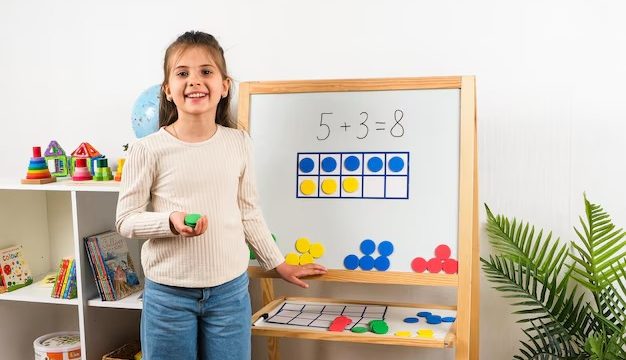
The journey into arithmetic begins with curiosity. Children are naturally inquisitive, observing the world around them and asking questions that challenge their understanding. This innate desire to learn can be nurtured through playful interactions with numbers. Simple activities such as counting apples at the grocery store or measuring ingredients while cooking can transform mundane tasks into engaging lessons. Each moment becomes an opportunity to introduce basic concepts, such as addition and subtraction, in a relaxed and enjoyable manner.
A gentle approach to learning arithmetic can foster a positive attitude toward math. Instead of viewing it as a chore, children can learn to see numbers as friends that help them make sense of their surroundings. Incorporating games that involve counting or basic math can make the learning process feel less like an obligation and more like a fun adventure. Board games, card games, and even online resources can provide a playful context where arithmetic skills are practiced without the pressure often associated with traditional learning methods.
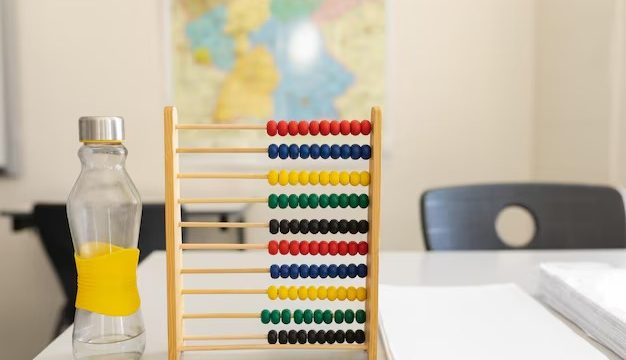
As children grow, introducing them to the idea of patterns can further enrich their understanding of arithmetic. Patterns are everywhere—in nature, in art, and even in music. Recognizing these patterns can help children grasp the concept of sequences and relationships between numbers. For example, creating a pattern using colored beads or blocks can help children visualize how numbers can interact, allowing them to build a foundational understanding of mathematical principles. This exploration can lead to deeper discussions about why these patterns exist and how they can be applied beyond the classroom.
Encouraging a growth mindset is another vital aspect of nurturing arithmetic skills. It’s important for children to understand that making mistakes is a natural part of learning. When they encounter a challenging problem, rather than feeling discouraged, they can be guided to see it as a chance to grow and improve. This perspective can be cultivated by celebrating their efforts and encouraging persistence. Over time, this mindset can empower them to tackle more complex arithmetic challenges with confidence.
As we think about arithmetic in the context of developing minds, it’s essential to highlight the connections between math and everyday life. Whether it’s budgeting for a family outing or understanding time, arithmetic plays a crucial role in making informed decisions. By drawing these connections, we can help children appreciate the relevance of math beyond their schoolwork. Discussing real-world applications not only reinforces their learning but also boosts their confidence in using arithmetic in practical situations.
A small shift toward balance can also be beneficial. While it’s essential to foster arithmetic skills, it’s equally important to ensure that children engage with a variety of other subjects and activities. A well-rounded approach to learning can enhance cognitive abilities and promote creativity. Encouraging children to explore art, science, and literature can provide them with diverse perspectives that ultimately enrich their understanding of math. For instance, integrating storytelling with arithmetic problems can create a narrative that captivates their imagination while reinforcing their skills.
Creating a supportive environment at home can also play a pivotal role in a child’s arithmetic journey. This doesn’t necessarily mean transforming your living space into a classroom. Instead, it’s about cultivating an atmosphere where questions are welcomed, and exploration is encouraged. Setting aside time for family activities that involve math, such as cooking or shopping, can make arithmetic feel less intimidating and more integrated into daily life. Making these moments enjoyable fosters a love for learning that can last a lifetime.
As children progress in their arithmetic understanding, introducing them to more complex concepts can be done gradually and thoughtfully. This journey should feel like a natural extension of their earlier experiences rather than a sudden leap into the unknown. Concepts like multiplication and division can be introduced through relatable scenarios, such as sharing snacks among friends or grouping toys. By grounding these ideas in familiar contexts, children can develop a deeper understanding without feeling overwhelmed.
It’s also worth noting the importance of peer interactions in this learning process. Collaborative activities, whether in a classroom or at home, can enhance a child’s arithmetic skills. Engaging with peers allows children to share their thought processes, learn from one another, and tackle challenges together. This social aspect of learning can make arithmetic feel less isolating and more of a shared experience, reinforcing the idea that everyone is on a journey of discovery.
As we reflect on the role of arithmetic in developing minds, it’s clear that this subject is much more than just numbers and equations. It’s a pathway to understanding the world, fostering creativity, and building resilience. Nurturing a love for learning arithmetic can empower children to approach challenges with confidence and curiosity, equipping them with essential skills for their future.
In conclusion, arithmetic is a beautiful journey that can be filled with joy and discovery. By embracing this subject in a gentle, engaging way, we can help children develop a positive relationship with math that lasts a lifetime. Through playful interactions, real-world applications, and a supportive environment, we can nurture their developing minds and inspire a lifelong love for learning. After all, the world of numbers is not just about calculations; it’s about exploring possibilities and understanding the intricate tapestry of life itself.