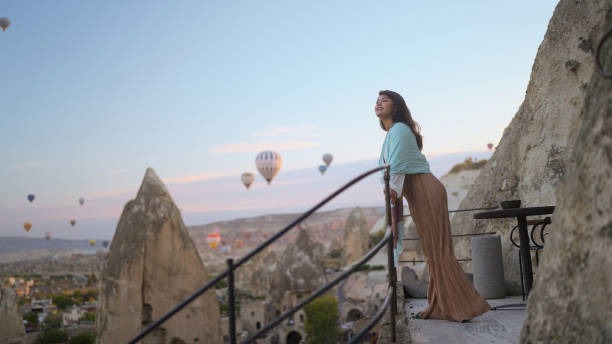
Mountains and rivers have long served as profound sources of inspiration in both art and literature.
Their majestic presence and serene flow evoke a sense of wonder and reflection, inviting us to explore the relationship between nature and human experience.
This connection is woven into the fabric of countless works, where these natural elements become symbols of resilience, tranquility, and the journey of life itself.
The allure of mountains is undeniable. Towering peaks, often shrouded in mist, represent both challenge and beauty. Artists have captured their grandeur in countless paintings, from the sweeping landscapes of the Romantic era to the impressionistic strokes of modern interpretations. The sheer scale of a mountain can evoke feelings of humility, reminding us of our place in the universe. In literature, mountains often serve as a backdrop for character development, symbolizing obstacles that must be overcome. Think of the iconic Mount Everest, not just as a physical challenge but as a metaphor for personal growth and perseverance.
In the realm of poetry, mountains frequently emerge as a theme of contemplation. Poets find in their heights a sense of elevation, both literally and figuratively. The act of climbing a mountain can be likened to the pursuit of aspirations—each step taken is a testament to determination. The silence that envelops these peaks provides a canvas for introspection, allowing writers to delve deep into the human psyche. The works of poets like William Wordsworth exemplify this connection, where nature becomes a catalyst for emotional exploration.
Rivers, on the other hand, embody a different kind of symbolism. Their gentle flow suggests continuity and life, a reminder of the passage of time. In art, rivers can be portrayed as tranquil pathways, meandering through landscapes that reflect the complexity of existence. The shimmering surface of water captures light and movement, inviting viewers to immerse themselves in the scene. This fluidity translates beautifully into literature, where rivers often represent journeys—both physical and metaphorical.
Many authors have used rivers as central motifs in their narratives. Mark Twain’s “Adventures of Huckleberry Finn” is a prime example, where the Mississippi River serves as a symbol of freedom and adventure. The river becomes a character in its own right, guiding Huck and Jim on their quest for self-discovery. This exploration of the river’s depths mirrors the characters’ internal struggles, illustrating how nature can reflect our own lives.
A small shift toward balance can be observed when we consider the relationship between mountains and rivers. While mountains stand firm and unyielding, rivers flow with grace and adaptability. Together, they create a dynamic landscape that speaks to the duality of life. The juxtaposition of stillness and movement, strength and fluidity, can inspire artists to explore complex themes of harmony and discord.
In contemporary art, this interplay continues to resonate. Many modern artists draw upon the imagery of mountains and rivers to address themes of environmentalism and humanity’s connection to nature. The urgency of climate change has brought forth a wave of artistic expression that seeks to remind us of our responsibility to protect these natural wonders. The majestic peaks and winding rivers serve as a call to action, urging us to appreciate the beauty of our planet while advocating for its preservation.
Literature, too, reflects this evolving relationship. Contemporary authors often weave environmental themes into their narratives, highlighting the fragility of ecosystems and the impact of human actions. Through storytelling, they invite readers to reconnect with the natural world, fostering a sense of stewardship. The mountains and rivers in these works become more than mere settings; they are integral to understanding the characters’ journeys and the broader human experience.
As we reflect on the significance of mountains and rivers in art and literature, it becomes clear that these natural elements serve as mirrors of our inner lives. They invite us to contemplate our challenges, celebrate our triumphs, and find solace in the beauty that surrounds us. The mountains remind us to reach for our highest aspirations, while the rivers teach us to embrace the flow of life.
In our fast-paced world, taking the time to appreciate these landscapes can be a form of self-care. Whether it’s through a hike in the mountains or a quiet moment by a river, engaging with nature allows us to reconnect with ourselves. It’s an opportunity to find balance amid the chaos, a gentle reminder of the simplicity and beauty that life has to offer.
Art and literature have the power to transport us to these serene landscapes, offering a refuge from our daily routines. As we immerse ourselves in the works inspired by mountains and rivers, we can experience a sense of peace and clarity. These natural wonders, depicted through the eyes of artists and writers, encourage us to reflect on our own journeys and the landscapes we traverse in our lives.
In closing, the enduring presence of mountains and rivers in art and literature enriches our understanding of ourselves and the world around us. They remind us of the beauty that exists in both challenge and tranquility, urging us to embrace the journey of life with open hearts. As we navigate the complexities of modern existence, let us find inspiration in these timeless symbols, allowing them to guide us toward a deeper appreciation of nature and our place within it.